



Why radiator for commercial vehicles demand is shifting
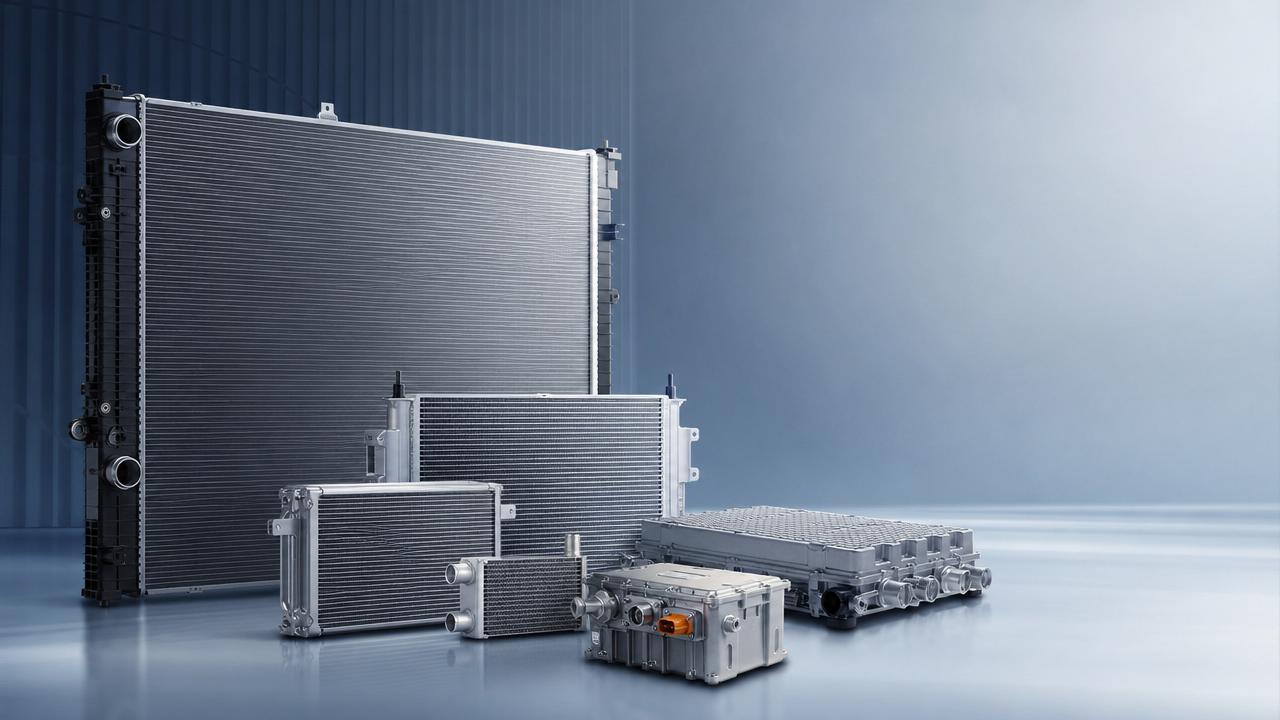
Why radiator for commercial vehicles demand is shifting across the market
Demand for radiator for commercial vehicles is shifting as fleets, distributors, and channel partners face tighter performance expectations.
Cooling systems are no longer judged only by basic fitment or price.
They are now evaluated by durability, thermal efficiency, energy adaptation, and long service stability.
This change matters across heavy trucks, buses, construction machinery, and new energy vehicle platforms.
For the parts industry, understanding why radiator for commercial vehicles demand is changing helps improve product selection and market positioning.
It also supports better inventory planning, stronger aftermarket competitiveness, and more reliable long-term customer value.
The market is moving from standard replacement to performance-based selection
In the past, many buyers focused on basic replacement needs.
Today, radiator for commercial vehicles demand is influenced by operating temperature, fuel economy, uptime, and equipment lifespan.
Long-haul trucks run under higher utilization rates than before.
Urban delivery vehicles face stop-and-go thermal stress.
Construction machinery often works in dusty, high-load, and uneven weather conditions.
These conditions make cooling reliability a business issue, not only a technical issue.
A failed radiator can lead to engine derating, electronic system stress, or unscheduled downtime.
As a result, the market increasingly prefers solutions with stronger heat exchange, better corrosion resistance, and stable fitment quality.
Several trend signals are clearly reshaping radiator for commercial vehicles demand
The shift is not caused by one factor alone.
It comes from a combination of vehicle technology upgrades, operating pressure, and new application structures.
These signals explain why radiator for commercial vehicles is no longer a simple commodity category.
It is becoming a technical value product within the broader commercial parts chain.
What is driving the shift in radiator for commercial vehicles demand
- Stricter thermal requirements from modern heavy-duty power systems
- Increased focus on lifecycle cost instead of lowest purchase price
- Expansion of electrified buses, trucks, and specialty commercial platforms
- Greater attention to product traceability, test data, and production consistency
- Demand for exact installation compatibility to reduce service time
- Need for stronger cooling performance in high-temperature and high-dust environments
Each factor raises the technical threshold for radiator for commercial vehicles.
The result is a market that rewards engineering reliability and manufacturing control.
This is especially visible in categories linked to heavy trucks and construction machinery.
Those platforms often run under sustained pressure where cooling margin directly affects performance.
New energy applications are creating a second demand curve
Another reason radiator for commercial vehicles demand is shifting is the rise of new energy systems.
Commercial vehicle cooling now includes batteries, drive motors, and power electronics.
That changes both the design logic and the purchasing criteria.
Heat management becomes more integrated, more precise, and more application-specific.
A useful example is Radiator for BYD.
This type of solution is designed for new energy vehicles and focused on efficient cooling for battery packs, drive motors, and power electronics.
With model BYD476ZQB-1301010-025, it reflects how product demand is moving toward exact fit and maximum heat exchange.
Such products also show why cooling safety and peak performance are becoming linked purchasing priorities.
As electrification expands, this second demand curve will increasingly influence mainstream radiator for commercial vehicles development.
The impact is spreading across product development, supply, and aftermarket strategy
The shift affects more than final product choice.
It changes how parts are developed, stocked, validated, and sold.
Product development
Design teams need stronger focus on material quality, core structure, welding accuracy, and thermal testing.
Products must perform reliably under vibration, pressure cycles, and environmental stress.
Supply planning
Standardized inventory alone may no longer meet fast-changing application needs.
The market increasingly values broader SKU coverage and application-specific matching.
Aftermarket competition
In aftermarket channels, poor consistency quickly damages trust.
Reliable radiator for commercial vehicles suppliers stand out through stable dimensions, dependable cooling performance, and lower return risk.
Brand positioning
A strong technical reputation now supports pricing power more than before.
This is where experienced producers gain a structural advantage.
Liaocheng Xinde Auto Parts Co., Ltd., established in 2018, has invested in research, production, and global sales of water tank radiators, intercoolers, machinery radiators, and new energy modules.
Its rapid expansion and recognition as a high-tech and trustworthy enterprise reflect the industry’s move toward capable, quality-driven suppliers.
What deserves closer attention as radiator for commercial vehicles demand evolves
- Heat exchange efficiency under real operating conditions
- Corrosion resistance in varied climate and coolant environments
- Structural durability under vibration and high-load usage
- Compatibility with both traditional and electrified commercial platforms
- Production consistency across batches and models
- Supplier responsiveness for technical support and application updates
- Balance between purchase price and lifecycle value
These points help separate short-term deals from durable market opportunities.
They also support more resilient decisions in the radiator for commercial vehicles category.
A practical way to respond to the demand shift
This approach supports better alignment with where radiator for commercial vehicles demand is headed.
It also reduces the risk of relying on outdated assumptions about market needs.
The next step is to align product strategy with real cooling expectations
The shift in radiator for commercial vehicles demand is not temporary.
It reflects deeper changes in vehicle technology, operating conditions, and value expectations.
The strongest opportunities now sit where cooling performance, durability, and application precision meet.
A forward-looking product strategy should compare traditional heavy-duty needs with rising new energy requirements.
It should also evaluate whether current radiator for commercial vehicles offerings match market expectations for reliability and efficiency.
Review core applications, identify thermal performance gaps, and update sourcing standards based on actual usage demands.
That is the most practical way to stay competitive as this parts segment continues to evolve.