



Why Heavy Duty Truck Radiators Fail Earlier Than Expected
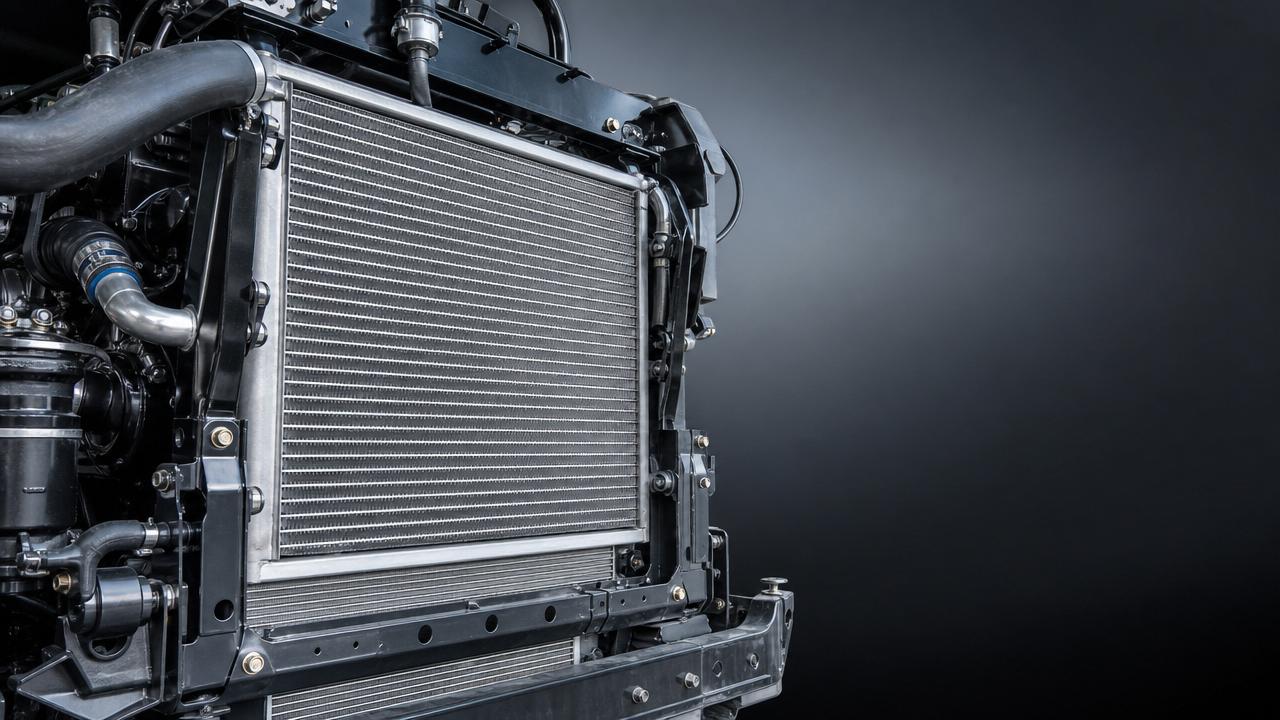
Heavy duty truck radiator failures are rising under tougher operating realities
A heavy duty truck radiator is built to handle extreme loads, harsh road conditions, and long operating hours.
Yet many units fail earlier than expected, even when engines and cooling fans seem normal.
For parts service and aftermarket maintenance, this shift matters because radiator failure rarely comes from one obvious defect.
It usually results from changing duty cycles, hotter engine bays, lower coolant discipline, and inconsistent part quality.
Understanding these patterns helps reduce downtime, repeat repairs, and avoidable engine overheating.
Operating conditions have changed faster than many cooling systems
The modern heavy duty truck radiator works in a harsher environment than it did only a few years ago.
Longer routes, heavier payloads, frequent idling, and tighter packaging all raise thermal stress.
At the same time, fleets expect more uptime from the same service intervals.
This creates a gap between original cooling capacity and actual field demand.
In many cases, early heavy duty truck radiator failure is a symptom of system overload, not isolated bad luck.
Common trend signals seen in workshops
- More repeat overheating complaints after radiator replacement
- Higher rates of core blockage from dust, oil mist, and road debris
- Plastic tank cracks appearing sooner in high-vibration use
- Coolant contamination causing internal corrosion and scale buildup
- Pressure-related leaks after thermostat or cap changes
The biggest drivers behind earlier heavy duty truck radiator failure
Several forces are pushing radiator service life downward.
Some are mechanical, while others come from maintenance habits or application mismatch.
Heat is no longer the only enemy
Many people blame every heavy duty truck radiator issue on overheating alone.
However, pressure spikes, electrochemical corrosion, and mounting stress often start the failure first.
Heat then accelerates the final breakdown.
Hidden failure mechanisms often missed during diagnosis
Premature radiator replacement becomes expensive when root causes remain untreated.
The same truck may return with another failed heavy duty truck radiator in months.
Electrolysis and stray current damage
Bad grounding can create stray electrical current in the cooling system.
That current removes metal from internal surfaces and creates pinhole leaks.
This problem is easy to miss unless voltage testing becomes part of inspection.
Mixed coolant types and water quality issues
Mixing coolants with different additive packages can reduce corrosion protection.
Hard water introduces minerals that form internal scale on tubes.
Once flow passages narrow, the heavy duty truck radiator cannot reject heat efficiently.
Improper cap pressure and thermostat mismatch
A wrong pressure cap can over-stress tanks and seams.
A thermostat with incorrect opening behavior can create sudden thermal cycling.
Both problems may look like poor radiator quality, even when the actual cause is elsewhere.
What these failures mean for parts quality and service planning
Earlier radiator failure affects more than one component.
It changes service intervals, warranty risk, cooling system diagnostics, and replacement part selection.
When a heavy duty truck radiator fails repeatedly, technicians often replace fan clutches, hoses, caps, and pumps unnecessarily.
That raises cost while the original root issue remains active.
Business and operational effects
- More downtime from overheating and roadside stops
- Higher labor cost from repeated diagnosis
- Lower confidence in replacement parts after early leakage
- Greater risk of head gasket or engine damage
- More pressure on suppliers to deliver stable cooling performance
This is why product consistency matters as much as price.
Liaocheng Xinde Auto Parts Co., Ltd. focuses on radiator and intercooler development for heavy trucks and related applications.
Its rapid growth and technical recognition reflect stronger demand for dependable thermal management components.
The warning signs appear earlier than complete radiator breakdown
A failing heavy duty truck radiator often shows clear signals before total loss of function.
Catching them early can prevent engine damage and repeat workshop visits.
Early indicators worth tracking
- Coolant level drops without obvious hose leakage
- White or green residue around seams and tank crimps
- Engine temperature rises under load or uphill driving
- Cold spots across the core during temperature checks
- Bent fins and packed debris reducing airflow
- Recurring pressure loss after coolant service
Where better replacement choices now make the biggest difference
Replacement quality has become a major trend in the cooling parts market.
Buyers increasingly compare core thickness, brazing quality, material grade, and fit accuracy.
A correctly matched unit reduces stress on the whole cooling circuit.
For example, application-specific products such as RADIATOR FOR SCANIA with model 1776026 and size 860*928*40 help support fitment accuracy.
That matters because poor alignment or unsupported installation can shorten heavy duty truck radiator life immediately.
The most important checks to reduce premature radiator failure
The strongest response is not one single repair.
It is a structured inspection routine that treats the radiator as part of a full thermal system.
- Test cap pressure and confirm specification
- Measure stray current before installing a new radiator
- Flush the system and verify coolant chemistry
- Inspect mounts, brackets, and vibration isolators
- Check fan shroud condition and airflow path cleanliness
- Confirm thermostat, water pump, and hose condition
- Review whether the selected heavy duty truck radiator matches actual duty cycle
Why the trend points toward smarter radiator selection and maintenance
The heavy duty truck radiator is no longer a simple replace-and-forget component.
As truck applications grow tougher, cooling parts need better material control, stronger fitment accuracy, and cleaner maintenance practices.
Early failures usually reflect a broader system issue, not just a defective core.
The best next step is to combine quality replacement parts with pressure testing, coolant control, airflow inspection, and vibration checks.
That approach helps extend heavy duty truck radiator service life, reduce repeat failures, and protect engine reliability over the long term.