



Heavy Duty Truck Radiator Size Mistakes That Hurt Cooling
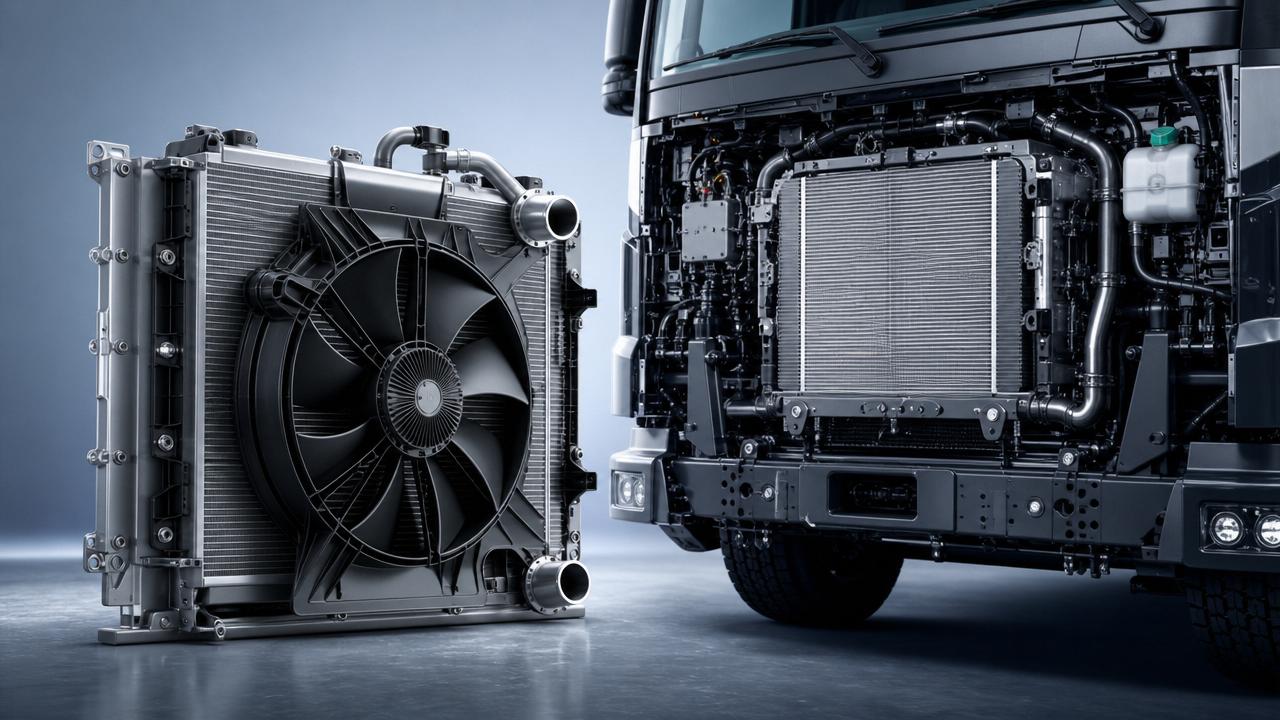
Choosing the wrong heavy duty truck radiator size can quietly reduce cooling performance, increase engine stress, and lead to costly downtime. For drivers and equipment operators, even a small mismatch may cause overheating under load, poor airflow, or inefficient heat transfer. Understanding these common sizing mistakes is the first step to protecting truck reliability, improving operating efficiency, and avoiding preventable repair issues.
Why radiator size mistakes matter more than many operators expect
When people search for heavy duty truck radiator sizing problems, they usually want a practical answer: why does a truck still run hot after a radiator change, and how can they avoid choosing the wrong unit?
For operators, the biggest concern is not theory. It is whether the truck can stay cool on long climbs, under heavy loads, in traffic, or during hot weather without losing power or stopping work.
The most helpful information is clear guidance on sizing errors, warning signs, fitment checks, and performance factors that affect real cooling results. General descriptions of radiators are far less useful than decision-making advice.
That means this topic should focus on common radiator selection mistakes, how size affects airflow and heat transfer, and what operators should check before replacement. Broad industry background should stay secondary.
The biggest misunderstanding: bigger is not always better
Many users assume a larger heavy duty truck radiator will automatically improve cooling. In real operation, that is only partly true. A radiator must match the truck’s airflow path, engine heat load, and installation space.
If the core is too large, airflow may not move through the fins as designed. A unit that looks stronger on paper can perform worse if fan shrouds, mounts, or surrounding components no longer align correctly.
An oversized radiator may also create fitment stress. Hoses can sit at awkward angles, brackets may carry uneven load, and vibration can shorten service life. Better cooling depends on correct engineering balance, not just overall size.
Operators often see this after replacement. The new radiator seems heavier or thicker, but coolant temperature still rises during hard pulling. That usually points to a mismatch between radiator dimensions and the truck’s cooling system layout.
Common heavy duty truck radiator size mistakes that hurt cooling
The first common mistake is choosing the wrong core thickness. A thicker core can increase cooling capacity, but only if the fan can pull enough air through it under working conditions.
If airflow is weak, extra thickness may become a disadvantage. Air slows down as it passes through dense cooling fins, especially when dust, mud, or road debris adds restriction. Heat exchange then becomes less efficient.
The second mistake is ignoring core height and width balance. A radiator may fit the frame opening, but if the active cooling area does not match fan coverage, part of the core does very little work.
This matters because cooling efficiency depends on how much air actually passes across the full heat-transfer surface. A poorly matched shape can leave hot zones and reduce effective cooling area, even if the radiator looks large enough.
The third mistake is replacing by appearance instead of exact measurement. Two radiators may seem similar from outside, yet differ in fin density, tube layout, or internal flow path. Those differences directly affect operating temperature.
The fourth mistake is overlooking tank and hose position. If inlet and outlet locations are slightly off, coolant flow can become less efficient, installation becomes forced, and maintenance access may become harder than expected.
The fifth mistake is forgetting the entire cooling package. A heavy duty truck radiator does not work alone. The fan, fan clutch, shroud, intercooler, condenser, and engine bay sealing all influence final cooling performance.
How wrong sizing shows up in daily truck operation
Not every radiator problem causes instant overheating. More often, the first signs appear gradually during real work. Operators may notice rising temperature only on hills, in stop-and-go traffic, or while hauling at maximum load.
Another warning sign is unstable temperature behavior. The gauge may stay normal on flat roads, then climb quickly during idle periods or slow-speed operation. That often suggests airflow and core sizing are not properly matched.
You may also see reduced air-conditioning performance, higher fan noise, or more frequent fan engagement. These are clues that the cooling system is working harder than it should to maintain acceptable engine temperature.
In severe cases, wrong radiator size contributes to coolant loss, hose stress, repeated overheating alarms, and shortened engine component life. Even if the truck keeps running, hidden thermal stress can increase long-term repair costs.
Why “fit” and “cool correctly” are not the same thing
A radiator that physically fits the mounting location is not automatically the correct choice. This is one of the most expensive mistakes in replacement work for heavy trucks and construction-related equipment.
Physical fit only tells you the unit can be installed. It does not confirm correct airflow resistance, proper fan shroud alignment, suitable cooling area, or balanced coolant circulation across the engine’s real heat output.
For example, a radiator can bolt into place while still leaving air gaps around the shroud. Those gaps let air bypass the core instead of moving through it, which cuts cooling efficiency under load.
Likewise, if the radiator core sits too far from the fan, suction performance changes. If it sits too close, airflow pattern and mechanical clearance can become problems. Small dimensional differences can create large cooling losses.
Checks operators should make before buying a replacement radiator
The safest approach is to verify dimensions, not guess them. Start with the original radiator’s core height, core width, core thickness, total assembly size, mounting points, and inlet and outlet positions.
Next, confirm the truck’s operating conditions. A vehicle used for steep grades, long idling, construction routes, or high ambient temperatures may require stricter cooling accuracy than one used on lighter highway work.
Operators should also check whether the truck has related cooling components that influence space and airflow, such as intercoolers, condensers, guards, or modified fan systems. Small aftermarket changes can affect radiator choice.
Part numbers and OE references are important, but they should not be the only check. Always compare actual dimensions and application details. A number match without full fitment review can still lead to poor cooling performance.
For instance, when evaluating a specific replacement such as RADIATOR FOR SCANIA , operators should review the model reference 1776026 and size 860*928*40 together with vehicle application details.
How thickness, fin design, and airflow work together
Radiator performance is not controlled by size alone. Core thickness must work with fin spacing, tube design, coolant flow rate, and fan capacity. If one part is mismatched, the whole system loses efficiency.
A very dense fin structure may improve heat transfer in clean conditions, but in dusty or muddy service it can clog faster. Once blocked, airflow drops and cooling performance declines even if the radiator was correctly sized.
This is why operators should think beyond dimensions. Real-world cooling depends on whether the radiator design suits the route, climate, duty cycle, and maintenance environment. The right specification is application-specific, not universal.
For trucks working in harsh conditions, easy cleaning and stable airflow may be more valuable than simply choosing the thickest available core. Durability and serviceability directly affect dependable cooling over time.
When a properly sized radiator still struggles
If the heavy duty truck radiator size is correct but overheating continues, the root cause may be elsewhere. Operators should inspect fan clutch performance, thermostat function, water pump condition, coolant quality, and system pressure.
Blocked external fins are another common issue. Oil, dirt, insects, and road debris can reduce airflow enough to mimic a sizing problem. Internal scale or contamination can also cut heat transfer across the core.
Air leaks around the radiator support should also be checked. If incoming air escapes around the core instead of going through it, cooling performance drops. Good sealing matters more than many users realize.
In some cases, engine tuning or load conditions have changed. Added equipment, higher operating weight, or hotter environments can push the cooling system beyond what the original design was meant to handle.
How better radiator selection reduces downtime and repair costs
Choosing the correct heavy duty truck radiator is not only about temperature control. It also protects engine oil stability, reduces thermal stress on hoses and seals, and helps maintain more consistent operating power.
For operators, that means fewer roadside stops, lower risk of emergency repairs, and more predictable truck performance during demanding work. A correct radiator can support uptime just as much as major engine components do.
It also improves maintenance efficiency. When the radiator matches the vehicle correctly, installation is cleaner, service access is easier, and surrounding parts experience less strain from forced positioning or vibration.
Manufacturers with dedicated experience in heavy truck and machinery cooling systems can support this process more effectively. Companies such as Liaocheng Xinde Auto Parts Co., Ltd. focus on radiator and intercooler development for demanding applications, which helps buyers compare options more accurately.
A practical buying mindset for operators
Before ordering, ask four simple questions. Does it match the original dimensions? Does it match the truck’s workload? Does it preserve correct airflow and mounting geometry? And does the supplier understand heavy-duty cooling applications?
If the answer to any of these is unclear, do not assume the radiator will perform well just because it can be installed. Cooling reliability depends on precise matching, not visual similarity.
When reviewing options, detailed product information can help narrow choices. For some applications, a unit like the 860*928*40 specification may be relevant, but only after confirming complete compatibility with the vehicle setup.
This careful approach saves time and money. It is far cheaper to verify radiator size and system fit before purchase than to deal with repeated overheating, downtime, or premature component failure afterward.
Conclusion
Heavy duty truck radiator size mistakes often seem minor at first, but they can seriously hurt cooling performance in real working conditions. The most common errors involve wrong thickness, poor airflow matching, incorrect core area, and fitment assumptions.
For drivers and operators, the best decision is to treat radiator replacement as a system match, not a simple parts swap. Measure carefully, review operating conditions, and confirm that cooling, airflow, and installation all work together.
When the radiator is correctly sized, the truck runs more reliably, handles load with less thermal stress, and stays productive longer. That is the real value of choosing the right radiator instead of just choosing one that seems close.