



Why Heavy Duty Truck Radiator Replacement Fails Early
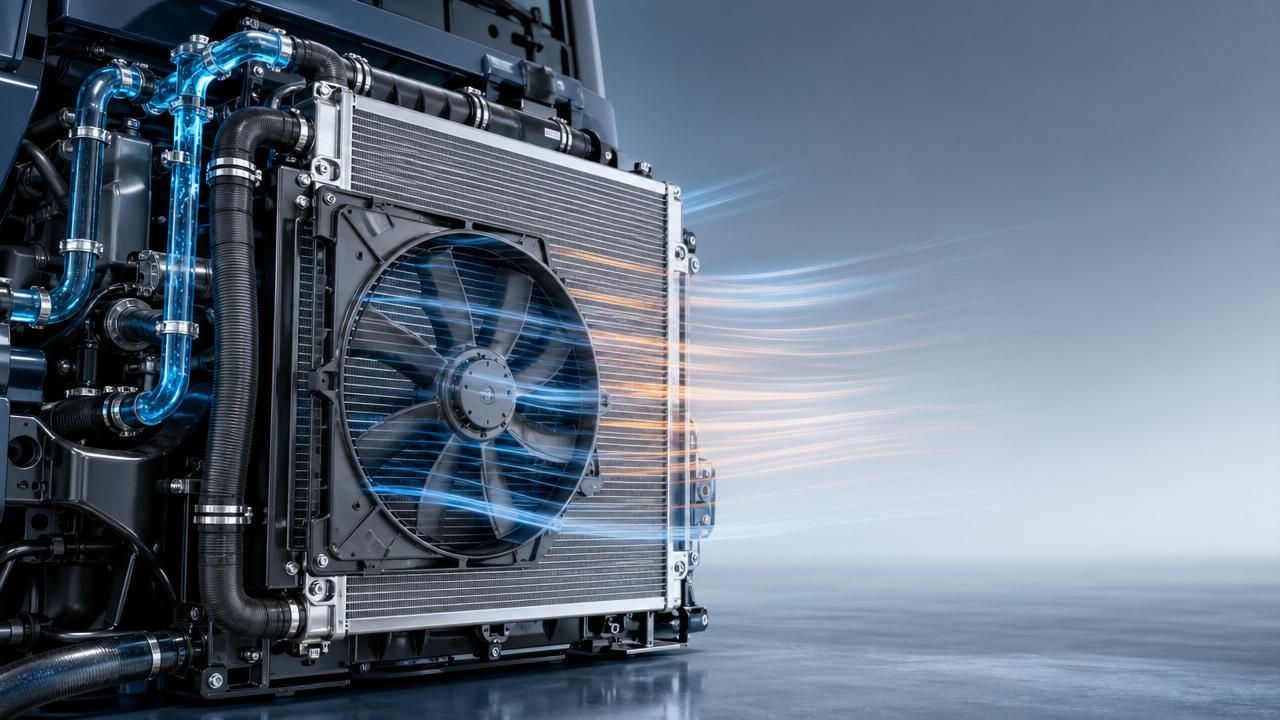
Heavy duty truck radiator replacement often fails earlier than expected, not because the part is defective, but because hidden system issues are overlooked during installation and maintenance. For aftermarket technicians, understanding the real causes behind premature radiator failure is essential to reducing repeat repairs, improving cooling performance, and protecting heavy truck uptime. This article explores the most common reasons and practical ways to prevent them.
Understanding Why Early Failure Happens After Replacement
In the aftermarket sector, heavy duty truck radiator replacement is often treated as a straightforward parts swap. In practice, it is a system-level repair. The radiator may be the visible failed component, but the root cause often sits elsewhere in the cooling circuit, engine operating condition, airflow path, mounting structure, or maintenance routine. When these linked issues remain unresolved, the new radiator inherits the same stress that damaged the old one.
For maintenance personnel, this matters because repeat radiator failures increase labor time, warranty exposure, vehicle downtime, and customer dissatisfaction. A truck that returns with overheating, leakage, or premature core cracking creates extra diagnostic pressure and may also damage related components such as the water pump, thermostat, fan clutch, hoses, or charge air cooling system.
The best way to evaluate heavy duty truck radiator replacement is not by asking whether the new radiator fits, but whether the full thermal management system has been restored. That means checking contamination, pressure balance, vibration control, coolant chemistry, and operating temperature behavior after installation.
A system problem, not only a parts problem
A radiator works under continuous thermal cycling, pressure fluctuation, road vibration, and environmental contamination. Heavy trucks operate in harsh conditions including long-haul highway service, construction routes, stop-and-go delivery, and overloaded climbing duty. In these applications, even a high-quality radiator can fail early if the underlying environment is unstable.
- Residual rust, oil, or scale may block new tubes.
- Incorrect cap pressure may overstress seams and tanks.
- Poor fan performance may create chronic overheating.
- Misalignment or rigid mounting may crack joints under vibration.
Why the Industry Pays Close Attention to Heavy Duty Truck Radiator Replacement
Cooling reliability is directly linked to fleet productivity. In heavy truck applications, an overheating event can stop delivery schedules, reduce fuel efficiency, shorten engine life, and increase roadside breakdown risk. That is why heavy duty truck radiator replacement is not simply a repair topic; it is an uptime management issue across the commercial vehicle parts industry.
Manufacturers and aftermarket suppliers have responded by improving material quality, brazing consistency, core design, and module integration. Companies such as Liaocheng Xinde Auto Parts Co., Ltd., which focuses on water tank radiators, intercoolers, construction machinery radiators, and new energy radiator modules, reflect how rapidly thermal management has become a specialized field rather than a basic commodity segment.
For technicians, industry attention also means customer expectations are higher. A replacement must deliver durable performance under modern operating loads, emissions-related heat demands, and mixed-duty service patterns. Early failure is increasingly seen as a diagnostic miss, not just bad luck.
Common operating pressures in today’s truck cooling systems
The Most Common Causes of Premature Replacement Failure
When heavy duty truck radiator replacement fails early, the cause is usually traceable. Technicians who approach the job with a structured inspection process can catch the majority of repeat-failure triggers before the truck returns to service. The most frequent problems fall into contamination, pressure management, airflow issues, installation errors, and vibration-related damage.
Residual contamination is one of the biggest risks. If the previous radiator failed internally, rust particles, sealing compounds, oil residue, or degraded coolant can remain in the engine block and hoses. Once the new radiator is installed, these contaminants circulate through the fresh core and reduce heat transfer or create localized blockage.
Another major issue is replacing the radiator without confirming surrounding components. A thermostat stuck partially closed, weak viscous fan clutch, slipping belt, collapsed lower hose, or malfunctioning water pump can produce operating temperatures that the new radiator alone cannot overcome.
Key failure categories technicians should inspect
1. Incomplete cooling system flushing
A quick drain and refill is often not enough. Chemical residue, sediment, and old coolant can quickly compromise a replacement unit. Thorough flushing, followed by verification of coolant clarity and chemistry, is essential after every major cooling repair.
2. Incorrect coolant selection or mixture
Different heavy truck platforms require specific coolant formulations and additive packages. Mixing incompatible coolants or using water with excessive mineral content can accelerate corrosion and scaling. This shortens radiator life even when the core itself is well manufactured.
3. Installation stress and poor fitment
If the radiator is forced into position, clamped unevenly, or paired with worn mounts, stress concentrates at the joints. Cracks at the header, tank seam, or bracket area often begin here. Heavy duty truck radiator replacement requires attention to alignment, mount condition, shroud clearance, and hose routing.
4. Airflow-side neglect
A clean coolant path will not help if external airflow is restricted. Bent fins, dirt packs between the radiator and charge air cooler, damaged fan shrouds, or weak fan engagement can cause repeat overheating. In dusty service, external cleaning is just as important as internal flushing.
5. Excessive vibration and chassis movement
Radiators in heavy trucks are exposed to constant shaking, especially in mining, construction, and uneven-road operation. Missing bushings, damaged supports, or frame distortion can shorten service life dramatically. Even premium materials cannot compensate for uncontrolled mechanical stress.
Application Value: What Good Replacement Practice Delivers
When done correctly, heavy duty truck radiator replacement improves more than coolant temperature. It stabilizes engine performance, protects seals and hoses, helps maintain fuel efficiency, and lowers the chance of unplanned service interruptions. For aftermarket teams, success is measured by durable field performance, not by how quickly the unit was swapped.
This principle applies across commercial vehicles and adjacent transport segments. For example, in public transportation, thermal reliability is equally important. A product such as Radiator for Ankai shows how premium-grade aluminum construction and advanced brazing technology are used to support optimal thermal management for both traditional diesel and new energy electric buses, helping minimize downtime and maximize service life.
Although heavy trucks and buses differ in duty cycles, the maintenance lesson is similar: a radiator performs best when the full system is clean, correctly pressurized, structurally supported, and matched to the operating load. Quality design matters, but service discipline determines whether that design delivers its expected lifespan.
Where better replacement practice creates value
- Fewer repeat repairs and warranty claims
- More predictable cooling under heavy load
- Longer service life for engine and related components
- Lower downtime for fleets and owner-operators
- Better confidence in aftermarket maintenance quality
Practical Inspection Steps Before and After Installation
A reliable heavy duty truck radiator replacement process should begin before the old radiator is removed and continue after the new one is installed. Documenting symptoms, checking temperature patterns, and inspecting related components can prevent missed causes. After installation, pressure testing and live operating checks confirm whether the repair solved the original problem.
Technicians should also compare the failed radiator damage pattern with system behavior. Internal plugging points to coolant neglect or contamination. Tube burst or tank seam failure may indicate pressure spikes. Cracking near mounts suggests vibration, misalignment, or structural load transfer.
This diagnostic mindset is especially important in fleets where multiple vehicles share similar routes and service intervals. Repeated failures on similar units often indicate a maintenance process gap rather than isolated part quality problems.
Recommended workshop checklist
- Confirm original complaint: overheating, leakage, pressure loss, or visible damage.
- Inspect fan, shroud, belts, thermostat, pump, and hoses.
- Flush the system completely and inspect for contamination.
- Check mounts, bushings, brackets, and frame alignment.
- Install with correct torque, clearance, and hose routing.
- Fill with approved coolant mixture and bleed air properly.
- Pressure test, warm up, and verify fan engagement and temperature stability.
Post-installation signs the job is on the right track
Stable operating temperature, even coolant circulation, no cap venting, no hose collapse, and no visible movement at mounts during idle and throttle transitions are positive signs. If any of these checks fail, the repair should not be considered complete.
How Aftermarket Teams Can Reduce Repeat Failures Long Term
Long-term improvement comes from process consistency. Shops that standardize inspection routines, coolant handling, and final verification usually see fewer comebacks after heavy duty truck radiator replacement. The goal is not only to replace the failed part, but to build a repair method that identifies upstream causes every time.
Supplier selection also matters. Consistent manufacturing quality, sound brazing, durable materials, and application-appropriate design help support longer service life. This is why many technicians prefer partners with dedicated thermal management experience across heavy trucks, construction machinery, and commercial transport applications.
In day-to-day service work, small habits create large reliability gains: using the correct coolant, keeping airflow passages clean, replacing worn mounting hardware, and recording failure patterns by vehicle model. These actions turn radiator replacement from a reactive repair into a preventive maintenance opportunity.
Final takeaway for technicians
Heavy duty truck radiator replacement fails early mainly when the cooling system is treated as a single-part issue. The most effective approach is to inspect the entire thermal environment, correct hidden faults, and verify operating conditions before releasing the truck. With a disciplined process and dependable component quality, technicians can reduce repeat repairs, protect engine life, and deliver the uptime that heavy-duty operations demand.