



Choosing an Agricultural Radiator for Tractors That Lasts
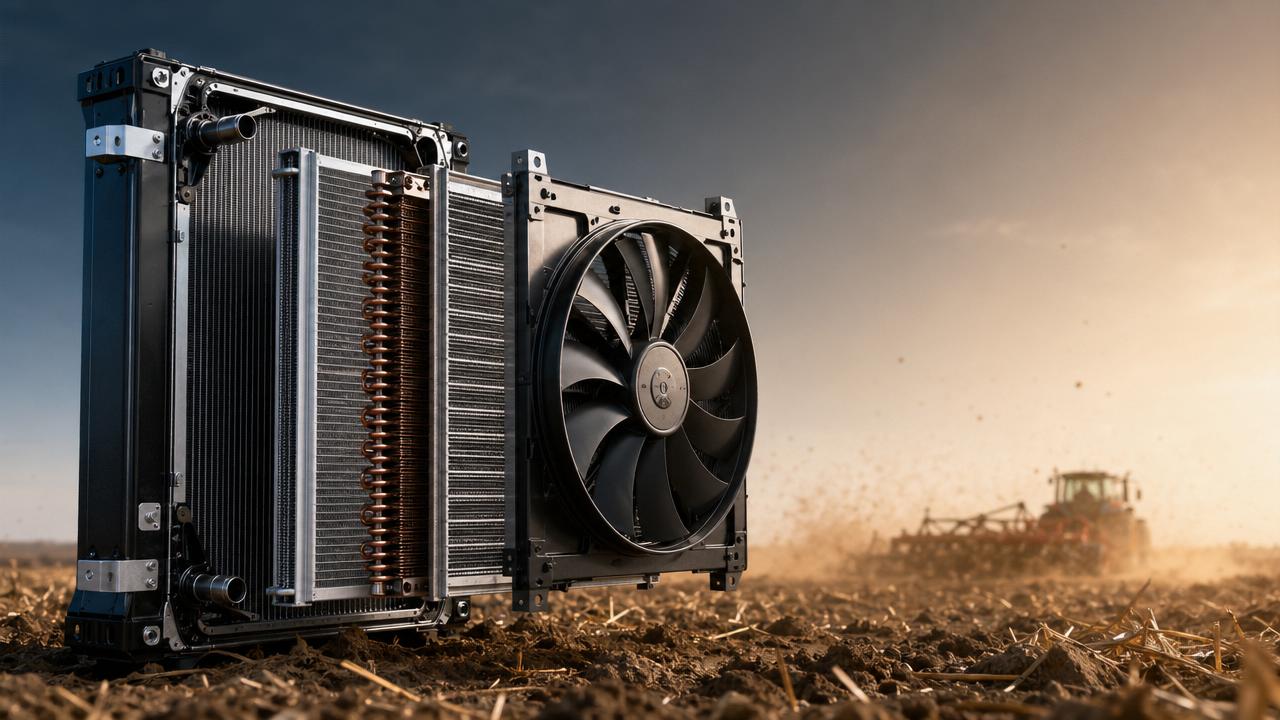
When uptime matters in the field, choosing the right Agricultural radiator for tractors can make a major difference in engine cooling, fuel efficiency, and long-term reliability. For operators who face dust, heavy loads, and changing weather, a durable radiator is not just a replacement part but a key protection for daily performance. This guide will help you understand what to look for before making a smart, lasting choice.
Why field conditions change what “lasting” really means
Not every tractor works under the same conditions, so not every Agricultural radiator for tractors should be judged by the same standard. A machine used for light utility work on short shifts faces far less thermal stress than one pulling heavy implements through long harvesting days. For operators, the smartest buying decision starts with understanding the real job, not only the part number.
In agricultural work, cooling performance is shaped by dust intake, engine load, ambient temperature, stop-and-go patterns, and cleaning habits. A radiator that performs well in one region may struggle in another if airflow passages clog quickly or if vibration resistance is weak. That is why choosing by price alone often leads to early replacement, overheating, or downtime during peak season.
Operators also need to think beyond the radiator core itself. Tank material, fin density, tube construction, brazing quality, mounting points, and compatibility with the tractor’s cooling system all influence service life. In real use, reliability comes from how well the radiator matches the operating scene.
The main factors that vary by application
- Dust and debris exposure from plowing, mowing, and harvesting
- Continuous engine load during towing, tilling, or baling
- Temperature swings between early morning, midday heat, and seasonal change
- Vibration and shock from rough ground and uneven field travel
- Cleaning frequency and access to maintenance support
Three common tractor use scenarios and what each one needs
A practical way to select an Agricultural radiator for tractors is to classify your daily work into clear operating scenes. This prevents overbuying in low-stress applications and underbuying in demanding ones. Below are three common scenarios that operators can use as a reference.
The key is not to find a radiator with the most aggressive specifications on paper, but one that balances cooling efficiency, durability, cleanability, and fit for your machine and workload. Field suitability matters more than generic marketing claims.
If your tractor handles multiple duties through the year, select according to the most demanding season rather than the average day. That approach reduces risk when temperatures rise and work intensity peaks.
Scenario comparison table
Scenario 1: Heavy tillage and plowing
This is one of the toughest applications for any Agricultural radiator for tractors. Engines stay under high load for extended periods, often at low travel speed where airflow support may be limited. In this situation, the radiator must dissipate heat consistently without becoming a weak point during long work cycles.
Operators in this scene should focus on core efficiency, strong weld or brazing integrity, and resistance to frame vibration. A radiator that looks acceptable for light use may fail early when exposed to repeated thermal expansion and rough field shock.
Scenario 2: Harvesting in dust, chaff, and dry crop residue
Here, the biggest problem is not always engine output, but blocked airflow. Fine debris can gather on the radiator face and reduce cooling performance hour by hour. Even a well-built unit can underperform if its fin design traps too much material and cleaning access is poor.
For this kind of work, operators should value open enough airflow passages, durable fin construction, and a design that supports fast field cleaning. Serviceability can be just as important as cooling capacity.
Scenario 3: Utility work, loader use, and road transport between jobs
Mixed-use tractors experience changing thermal demand. They may idle, travel, lift, tow, and stop frequently. The right radiator for this scene should offer dependable overall performance rather than extreme specialization.
A reliable fit, durable materials, and resistance to coolant corrosion matter most here. Operators who use one tractor for multiple tasks often benefit from a balanced cooling component that supports year-round stability and lower maintenance disruption.
How to judge radiator durability before you buy
Many operators ask the same question: how can you tell whether an Agricultural radiator for tractors will actually last? The answer lies in a few visible and confirmable indicators. You do not need to be an engineer to make a smarter choice, but you do need to inspect the right details.
Start with the basics: exact fit for the tractor model, stable mounting geometry, and compatibility with the existing cooling system. Poor alignment or forced installation can create stress points that shorten life even when the radiator core is acceptable.
Then evaluate the construction quality. Durable radiators usually show more consistent joining quality, better sealing confidence, and stronger resistance to vibration. In a parts industry where visual similarity is common, small manufacturing differences often decide long-term results.
Checklist for operators
- Confirm the radiator matches your exact tractor model and cooling layout
- Check whether the core is built for the heat load of your actual field tasks
- Look for robust tube-and-fin construction and dependable sealing quality
- Ask about pressure testing, leak testing, and quality control process
- Consider ease of cleaning if you work in dusty or crop-heavy conditions
- Review material durability against corrosion, vibration, and temperature cycling
Why manufacturer capability matters
For operators and buyers, the supplier behind the part matters almost as much as the part itself. Liaocheng Xinde Auto Parts Co., Ltd., established in 2018, is a professional manufacturer focused on the research, production, and global sales of water tank radiators, intercoolers, construction machinery radiators, heavy truck cooling components, and new energy radiator modules. With registered capital of 5 million RMB and total investment of 50 million RMB, the company has expanded rapidly and earned recognition such as High-tech Enterprise and Trustworthy Unit for Consumers.
That background is relevant because cooling products require more than basic metal fabrication. Consistency in heat exchange performance, testing discipline, and application matching are essential when the part must survive harsh service conditions. Operators should always prefer manufacturers with clear specialization in radiator systems over generic, low-traceability sources.
A useful comparison comes from adjacent vehicle applications. For example, in new energy systems, components such as Radiator for BYD are engineered for efficient cooling of battery packs, drive motors, and power electronics, with emphasis on precise fit and effective heat exchange. While tractor and EV applications are different, the shared lesson is clear: matching the radiator to the operating environment and thermal demand is what protects performance and safety over time.
Common buying mistakes in different field scenarios
A lot of cooling failures are not caused by one dramatic defect. They come from small mismatches between the Agricultural radiator for tractors and the way the machine is truly used. Recognizing these mistakes early can save both downtime and repair cost.
One common error is choosing only by external dimensions. A radiator may physically fit but still fail to provide the airflow behavior, heat rejection, or structural durability needed for heavy field conditions. Another mistake is ignoring maintenance reality. If your work generates heavy dust but the radiator is difficult to clean, performance will fall quickly in actual operation.
Operators also sometimes underestimate the value of reliable sourcing. A low-cost replacement can become expensive if it leaks early, causes repeat labor, or contributes to engine overheating during peak season. In agriculture, timing has direct economic value.
Mistakes to avoid by scenario
- Heavy-load users buying a light-duty replacement based only on price
- Dusty-environment users ignoring fin clogging behavior and cleaning access
- Mixed-use operators failing to check corrosion resistance and year-round reliability
- Assuming all aftermarket radiators deliver the same thermal performance
- Replacing the radiator without checking related cooling system conditions
Do not ignore the rest of the cooling system
Even the best Agricultural radiator for tractors cannot compensate for a weak fan, damaged shroud, poor coolant quality, or blocked passages elsewhere in the system. If a previous radiator failed unusually fast, investigate the full cooling circuit before installing a replacement. This gives the new part a fair chance to deliver its expected life.
Practical selection advice based on your operating pattern
To make the final decision easier, connect your radiator choice directly to how you work through the season. This avoids generic recommendations and gives you a more useful purchase framework. The best Agricultural radiator for tractors is the one that supports your workload with the fewest interruptions.
If you run long hours under heavy engine load, prioritize cooling reserve and structural durability. If you mainly work in debris-heavy crops, prioritize stable airflow and easy cleaning. If your tractor rotates across transport, loader duty, and general farm tasks, choose a balanced solution with dependable materials and exact fit.
When comparing suppliers, ask for application confirmation, production quality details, and any available testing information. Serious manufacturers are usually ready to discuss operating conditions, not just product availability. That conversation often reveals whether the radiator is truly suitable for your machine.
Quick decision guide
FAQ for operators
How do I know if my current radiator is undersized for my work?
If overheating appears mainly during peak load, hot weather, or long shifts, your current setup may not be adequate for your operating scene. Repeated temperature spikes under normal maintenance conditions are a warning sign.
Is a more expensive radiator always better?
Not always. The better choice is the one that matches your field conditions, tractor model, and maintenance reality. Value comes from service life and dependable cooling, not from price alone.
Should operators care about supplier specialization?
Yes. A specialized radiator manufacturer is more likely to understand heat exchange demands, model fitment, and durability testing. That usually leads to more consistent long-term performance.
Choose by field reality, not by guesswork
A lasting Agricultural radiator for tractors is not selected by appearance alone. It is selected by matching the radiator to the real working scene: heavy tillage, dusty harvest, mixed utility use, climate pressure, and maintenance conditions. When operators make that scene-based judgment, they reduce overheating risk, protect engine life, and improve uptime when it matters most.
Before buying, define your toughest operating condition, confirm exact fitment, and compare suppliers on manufacturing focus and cooling expertise. That simple process leads to better decisions than choosing the cheapest available replacement.
If you want a smarter long-term solution, evaluate your tractor’s workload first and then confirm a radiator designed for that demand. The right match will pay back through steadier temperature control, fewer interruptions, and better confidence in the field.