



When a Vehicle Radiator Needs Repair Instead of Replacement
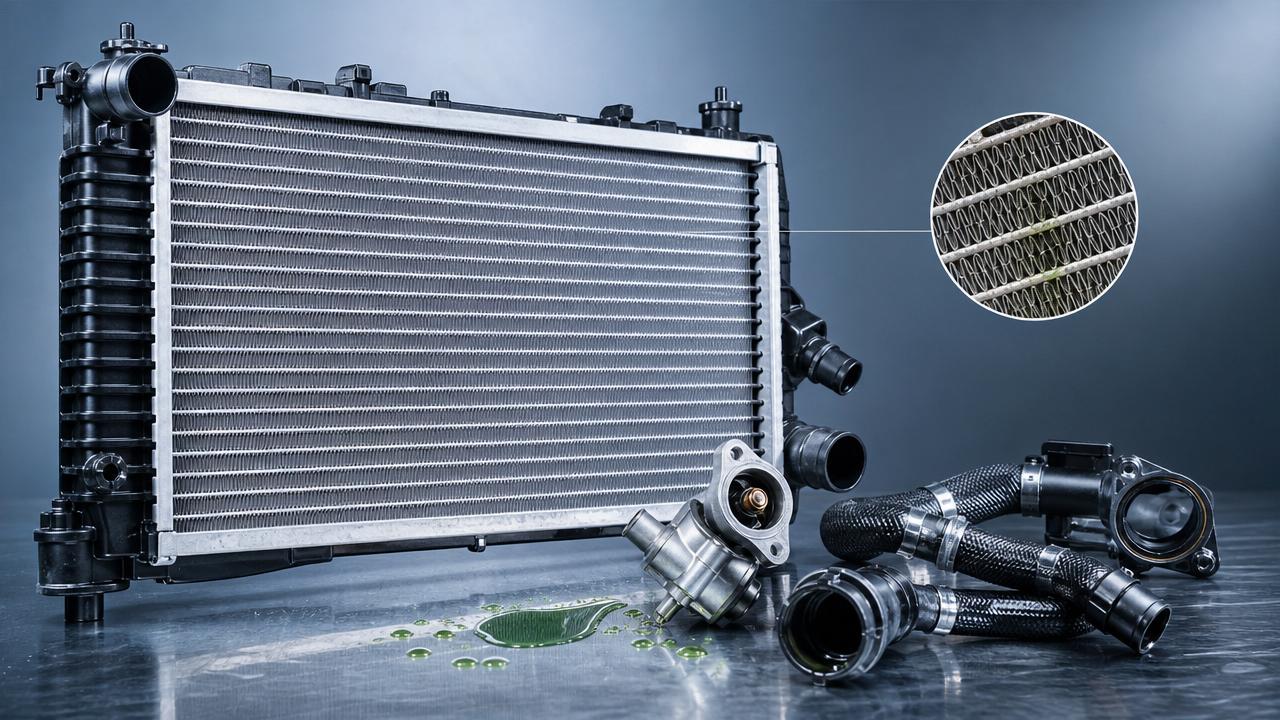
A failing Vehicle radiator does not always mean you need a full replacement. In many cases, early leaks, corrosion, clogged passages, or weak cooling performance can be repaired before the damage becomes severe.
Understanding the warning signs helps drivers reduce costs, avoid roadside breakdowns, and extend cooling system life. The key is knowing when repair is practical and when replacement is the safer long-term decision.
What drivers are really trying to find out
When people search for information about Vehicle radiator repair, they usually want a simple answer first: can this problem be fixed without paying for a full new radiator?
Most end consumers are not looking for technical theory. They want to know how serious the issue is, how much risk they face, and whether they can keep driving safely.
They also care about repair cost, expected durability, and whether a shop is recommending replacement too quickly. That is why clear signs and practical judgment matter more than broad explanations.
When radiator repair is usually the smarter choice
Repair is often the better option when the damage is limited, localized, and discovered early. A small leak, minor external corrosion, or a clog that has not caused overheating can often be corrected.
If the core structure is still strong and the tanks are not severely cracked, a technician may be able to seal, solder, clean, or restore the radiator effectively.
In these cases, repair can save money and reduce downtime. It also preserves the rest of the cooling system if the problem has not yet spread to hoses, the thermostat, or the water pump.
The best candidates for repair are vehicles that still cool normally most of the time, show only mild coolant loss, and do not have repeated overheating events.
Signs that a Vehicle radiator may be repairable
One common repairable issue is a small external leak. You may notice a few drops of coolant under the front of the vehicle, especially after parking, without any major temperature spike.
If the leak comes from a seam, a connection point, or a limited damaged area, repair may be possible before the surrounding material weakens further.
Another repairable symptom is restricted coolant flow caused by debris or scale buildup. If the radiator passages are partially clogged, professional flushing or cleaning may restore performance.
Fin damage is another example. Bent cooling fins can reduce airflow, but if the core is otherwise intact, the radiator may still be serviceable after inspection and minor correction.
Sometimes weak cooling comes from related components rather than the radiator itself. A bad cap, a failing fan, or a thermostat problem can mimic radiator failure, making replacement unnecessary.
Warning signs that repair may not be enough
Replacement becomes more likely when the radiator has widespread corrosion, multiple leaks, or structural weakness across the core. In these cases, a repair may hold briefly but fail again soon.
If the plastic tanks are badly cracked, the metal is thinning, or the unit has already been repaired several times, replacement is usually more cost-effective over time.
Repeated engine overheating is another serious warning. Once overheating becomes frequent, the damage may extend beyond the radiator and compromise the entire cooling system.
If coolant mixes with oil, pressure loss is severe, or there is heavy internal contamination, the problem may be larger than a simple repair can address safely.
A radiator that is heavily blocked internally can also be beyond practical restoration. Even if cleaning helps temporarily, cooling efficiency may remain too low for dependable daily use.
How to judge the severity before making a decision
Start with visible symptoms. Check for coolant stains, steam, sweet odor, puddles, rusty residue, or temperature gauge movement higher than normal during regular driving.
Then think about frequency. A one-time minor leak is different from constant coolant loss every few days. Problems that return quickly after topping off coolant usually signal deeper failure.
Next, consider age and use conditions. Older vehicles, high-mileage engines, heavy loads, stop-and-go traffic, or hot climates place more stress on the cooling system.
A pressure test is one of the most useful diagnostic tools. It helps confirm whether the radiator is the source of leakage and whether the loss is small or system-wide.
Ask the repair shop to show exactly where the problem is. Seeing the leak point, crack, corrosion, or blocked area makes it easier to judge whether the recommendation is reasonable.
Common radiator problems that are often repairable
Small seam leaks are frequently repairable if caught early. These leaks may develop from vibration, age, or moderate pressure changes, but not every seam issue requires total replacement.
Loose fittings or connection-related coolant loss can also be fixed. Sometimes the radiator itself is fine, and the real problem is a clamp, hose seat, or cap pressure issue.
External blockage from dirt, insects, road debris, or mud can sharply reduce airflow. Cleaning the radiator face may restore cooling performance without any major parts replacement.
Minor corrosion around limited sections may be manageable if the metal has not lost overall strength. The important question is whether corrosion is isolated or spread throughout the unit.
For vehicles used in demanding commercial environments, cooling performance matters even more. Related systems such as intercoolers also require proper thermal management, and components like intercooler for benz xd330 are designed for specific heavy-duty applications where heat control directly affects reliability.
What repair methods are typically used
The repair method depends on the radiator material and the exact failure point. Common approaches include leak sealing, soldering, brazing, tank repair, pressure correction, and internal cleaning.
Professional flushing removes scale, rust, and contaminants that reduce flow. This is most effective when blockage is moderate and the internal passages are still structurally sound.
For metal radiators, localized soldering or brazing may be possible. For some tank-related issues, replacing a damaged section may cost less than replacing the full assembly.
Shops may also straighten fins, test pressure retention, inspect mounting points, and verify that fans and coolant circulation are working correctly after repair.
The best repair is not just patching the visible leak. It includes checking why the problem happened, such as excess pressure, vibration, old coolant, or neglected maintenance.
When replacement is the better long-term investment
Even if repair is technically possible, it may not be the smartest choice if the radiator is near the end of its service life. A cheap repair can become expensive if failure returns quickly.
Replacement is often wiser when labor to access the radiator is high, because paying for repeated disassembly and reinstallation can erase any savings from a temporary fix.
If you rely on the vehicle for commuting, delivery work, or family travel, reliability may matter more than minimum short-term cost. In that case, replacement can offer stronger peace of mind.
Drivers should also think about cooling system balance. A severely aged radiator can strain other components, making the whole system less stable under load or hot weather conditions.
Questions to ask a repair shop before approving the work
Ask whether the leak or damage is isolated or widespread. This single question often reveals whether the shop expects a lasting repair or only a temporary improvement.
Ask if the radiator has been pressure tested and whether internal blockage is present. A visual check alone may miss deeper flow restrictions that affect long-term cooling performance.
Request an estimate for both repair and replacement. Comparing the two helps you understand whether the lower upfront option actually makes financial sense.
You should also ask about warranty coverage. A shop that stands behind the repair is usually more confident that the radiator condition justifies fixing instead of replacing.
If your vehicle operates under heavier thermal loads, such as commercial transport or demanding engine setups, ask whether surrounding heat-exchange components should also be inspected.
In some cases, owners of specialized vehicles may also review supporting parts availability, including matched cooling products such as an intercooler for benz xd330 with OEM references 9405010301 and 97024, sized 630*892*68 for Benz applications.
How to prevent a repairable issue from becoming a replacement
Regular coolant changes are one of the most effective ways to protect a Vehicle radiator. Old coolant loses corrosion resistance and allows internal scale and rust to build up.
Inspect coolant level and color regularly. Dirty, rusty, or contaminated coolant often indicates internal deterioration before complete radiator failure becomes obvious.
Check hoses, clamps, the radiator cap, and fan operation. A small supporting-part failure can increase pressure or heat, causing avoidable damage to the radiator itself.
Keep the radiator exterior clean, especially if you drive in dusty, muddy, or insect-heavy conditions. Blocked fins reduce airflow and force the cooling system to work harder.
Do not ignore a rising temperature gauge even if it drops again. Intermittent overheating often signals the early stage of a problem that is still repairable if caught in time.
The practical bottom line for consumers
A Vehicle radiator needs repair instead of replacement when the problem is early, limited, and not yet affecting the structural integrity of the whole unit.
Small leaks, mild corrosion, moderate clogging, and airflow issues are often repairable. Widespread damage, repeated overheating, severe cracks, or major internal deterioration usually point toward replacement.
The smartest decision comes from diagnosis, not guesswork. A pressure test, visual inspection, and honest comparison of repair versus replacement cost will tell you far more than symptoms alone.
If you act early, repair can save money and extend system life. If you wait too long, a manageable issue can turn into overheating, engine stress, and a much larger bill.
For most drivers, the real goal is not choosing the cheapest option today. It is choosing the option that restores safe, dependable cooling with the best overall value.