



Vehicle Radiator Leaks That Start Small but Lead to Overheating
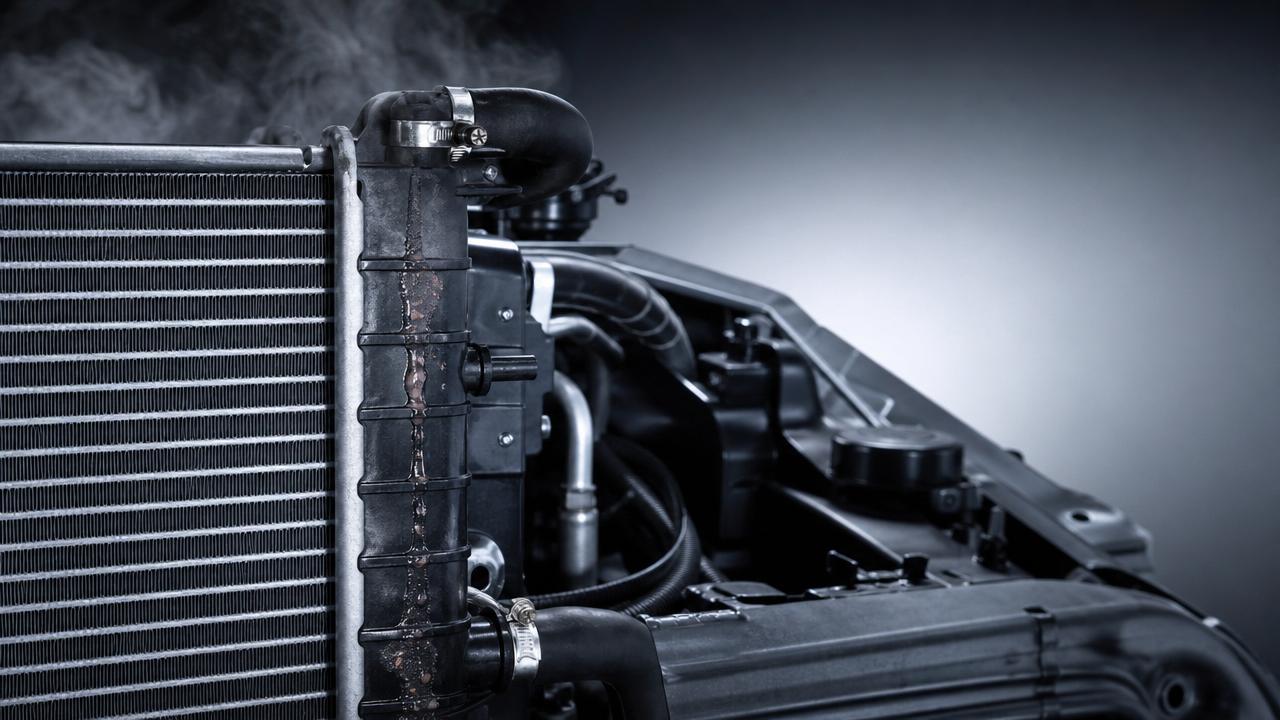
Why a Small Vehicle radiator Leak Becomes a High-Risk Service Scenario
A small Vehicle radiator leak can quickly become a serious overheating event during normal driving, idling, towing, or stop-and-go operation.
In aftermarket maintenance, minor coolant loss often appears harmless at first, yet pressure balance and heat rejection start declining immediately.
When the cooling system loses pressure, coolant may boil earlier, circulation efficiency drops, and engine temperature rises faster under load.
That is why early inspection of a Vehicle radiator matters not only for leak repair, but also for preventing warped heads, damaged gaskets, and unplanned downtime.
Liaocheng Xinde Auto Parts Co., Ltd., founded in 2018, focuses on radiator and cooling module development for heavy trucks, construction machinery, and new energy systems.
Its manufacturing background reflects a practical industry truth: cooling components must perform reliably across varied service conditions, not only under ideal test environments.
Which Service Situations Make a Minor Vehicle radiator Leak More Dangerous
Not every leak progresses at the same speed. The risk level depends on vehicle use, thermal load, airflow, and maintenance history.
Urban idle and stop-start traffic
In congested traffic, airflow through the core is reduced, while coolant temperature rises during repeated acceleration and idle periods.
A small Vehicle radiator leak in this scenario often shows up as gradual reservoir loss, fan overwork, and occasional temperature spikes at traffic lights.
High-load highway or towing operation
Sustained speed and engine load can turn a slow seep into a rapid pressure-loss problem, especially when the system is already weakened.
Under these conditions, a Vehicle radiator with cracked seams or corroded tubes may fail much faster than expected.
Construction or dusty work environments
Dust, vibration, and debris increase the chance of fin blockage, external damage, and hidden wet spots around tanks and hose joints.
A small leak may remain unnoticed because dirt absorbs coolant residue and masks the source.
New energy thermal management systems
Electric and hybrid platforms rely on precise temperature control for batteries, power electronics, and related cooling loops.
In these applications, even a minor Vehicle radiator leak can affect efficiency, component protection, and long-term thermal stability.
What to Inspect First When Overheating Starts with a Small Leak
A fast visual check is useful, but overheating diagnosis should follow a clear sequence to avoid replacing good parts.
1. Pressure-loss pattern
Test the cooling system cold and warm if procedure allows. A pressure drop without visible dripping often indicates micro-cracks or cap-related loss.
2. Tank seams and crimp areas
Plastic tank edges, gasket seats, and crimp lines are common weak points in a Vehicle radiator assembly.
Look for white or colored residue, dampness, staining, and fine spray marks on nearby components.
3. Tube-to-header joints and core damage
Stone impact, corrosion, and vibration can open tiny paths at the core. These leaks often worsen after full heat soak.
4. Hose connections and clamps
A leak that appears to come from the Vehicle radiator may actually start at an upper hose neck, return line, or aged clamp.
5. Cooling fan and airflow condition
Low airflow can intensify overheating even when coolant loss is still minor. Check fan operation, shrouds, and external fin blockage.
How Leak Symptoms Differ Across Real Maintenance Scenarios
The same Vehicle radiator issue may present differently depending on how the vehicle is used. Symptom-based judgment improves repair accuracy.
Why Some Vehicle radiator Leaks Are Misdiagnosed During Routine Service
Many overheating cases are not caused by one dramatic failure. They result from small issues that overlap.
- Coolant level was topped off repeatedly, masking a slow leak.
- Dried residue was mistaken for old spill contamination.
- The radiator cap was ignored, although poor sealing lowered boiling protection.
- An airflow problem was treated as a thermostat problem.
- Aging mounts allowed vibration stress that reopened repaired joints.
Because a Vehicle radiator leak may change with temperature, a cold-only inspection can miss the real failure point.
Scenario-Based Replacement Decisions for Better Cooling Reliability
Repair choices should match operating conditions, not only the visible leak location.
When sealing may be temporary at best
If the Vehicle radiator has multiple weak points, corrosion, or seam fatigue, temporary sealing usually delays the next overheating event.
When full replacement is the safer option
Replacement is often justified when pressure loss repeats, the core is contaminated, or service history suggests material fatigue.
For model-specific applications, fitment and thermal compatibility matter as much as leak elimination.
In some premium or advanced thermal systems, a suitable option may be Radiator for Hongqi.
This solution includes model EQM5, OE NO. 1301010HA01, a 6-month warranty, and compatibility considerations for luxury engines and new energy systems.
Its application range also covers H series sedans and HS luxury SUVs, with design goals focused on peak performance, quiet efficiency, and long-term reliability.
How Cooling Needs Differ by Vehicle Type and Operating Demand
A Vehicle radiator must be judged by use case, thermal load, and expected durability. One replacement strategy does not fit every platform.
Practical Service Steps to Prevent Overheating from a Minor Leak
- Inspect coolant level trends, not just one-time level readings.
- Pressure-test the Vehicle radiator and cap together when possible.
- Check seam edges, tube joints, and hose necks under strong light.
- Clean external fins before judging cooling efficiency.
- Review fan response during idle and warm restart conditions.
- Replace worn mounts or clamps that create repeat vibration stress.
- Use replacement parts matched to operating temperature and application type.
Take the Next Step Before a Small Leak Becomes Engine Damage
A small Vehicle radiator leak rarely stays small for long. Heat, pressure cycles, and vibration will usually accelerate the problem.
The best results come from scenario-based inspection, accurate leak confirmation, and replacement decisions based on actual operating demand.
If overheating symptoms, coolant loss, or pressure instability appear, inspect the cooling system immediately and confirm whether the Vehicle radiator remains serviceable.
Reliable cooling components help protect engines, reduce repeat repairs, and support long-term thermal performance across conventional and new energy applications.