



When a Honda Radiator Upgrade Makes Sense for Heavy Daily Use
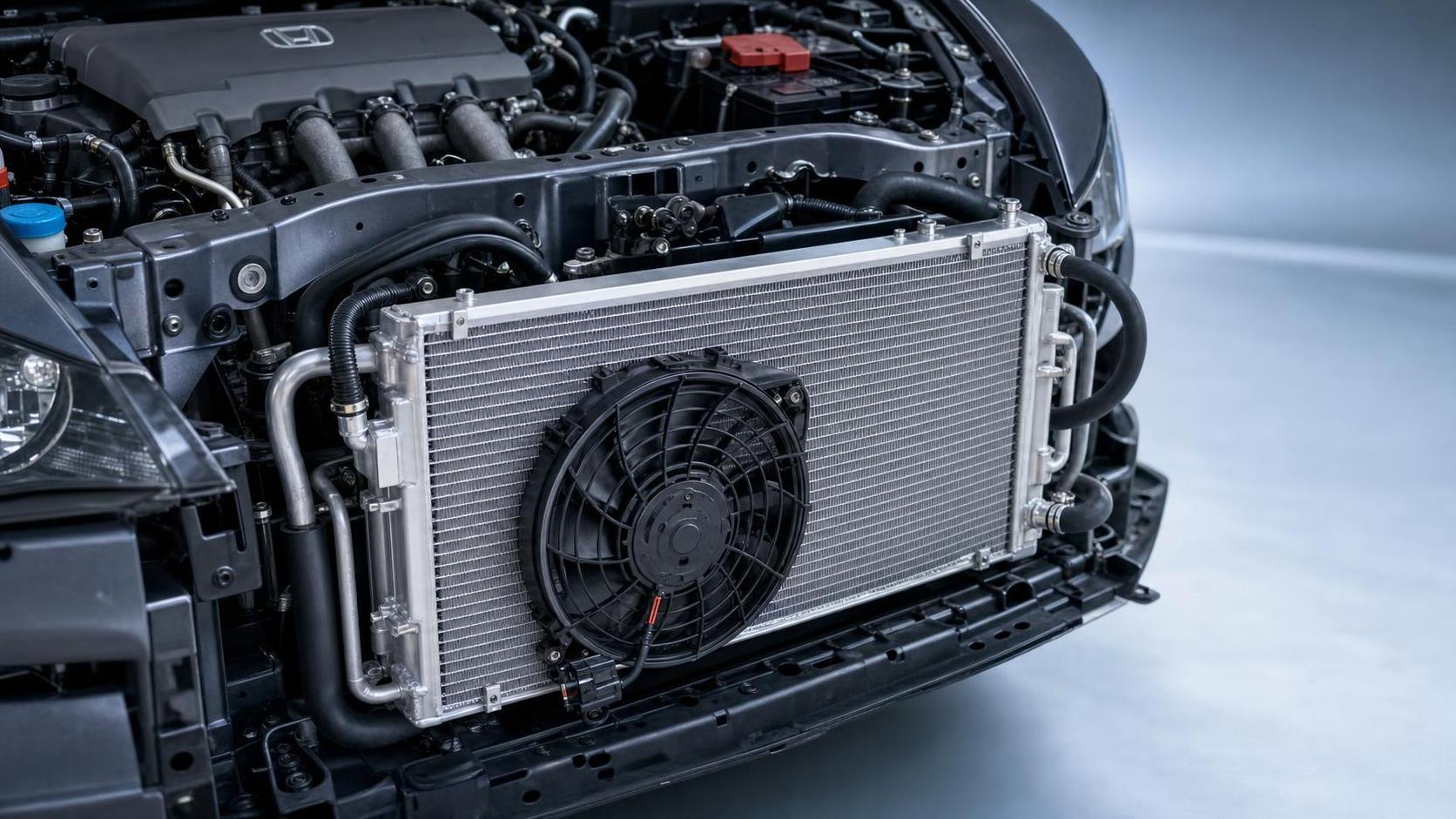
Start with your real driving load, not the parts catalog
If your Honda spends most of its life in long commutes, stop-and-go traffic, summer heat, steep city parking ramps, or regular cargo duty, a radiator upgrade can move from “nice to have” into practical maintenance planning. The key question is simple: is your factory cooling system still comfortably handling your daily routine, or is it working at the edge?
A lot of drivers look at a honda radiator upgrade only after an overheating scare. That is usually late. The better time to think about it is when the car still runs fine, but your usage has become heavier than what a standard commuter setup sees. Daily stress adds up slowly. Cooling systems do not always fail in one dramatic moment; many get weaker one hot season at a time.
Use this checklist the way an experienced shop would: first judge the workload, then check for signs of system strain, and only after that decide whether an upgraded radiator makes sense or whether a repair, cleaning, or fan-related fix is the smarter move.
Check whether your Honda lives in a “heavy daily use” pattern
Not every daily driver needs more cooling capacity. Some do.
- Your commute includes long idle periods in traffic, where airflow through the radiator depends heavily on the fan.
- You drive in consistently hot weather, especially with the A/C on most of the time.
- The car carries people, tools, delivery items, or luggage more often than it did when new.
- You climb grades regularly or spend time in urban areas with repeated acceleration and braking.
- The vehicle has higher mileage and the cooling system has already needed attention once or twice.
If two or three of those apply, the conversation about a radiator upgrade becomes reasonable. If none of them apply, replacing a healthy stock radiator with a larger one may not deliver much benefit in normal use.
Look for early signs that the stock system is running out of margin
A healthy cooling system does not just prevent overheating. It gives you thermal headroom. That buffer matters when weather changes, traffic stalls, or the car is loaded down.
Common warning signs include:
- Temperature climbing more than usual in traffic, then dropping once the car gets moving.
- Cooling fan running frequently or sounding like it is working hard during routine driving.
- A/C performance fading at idle on hot days.
- Coolant smell after parking, even if you do not see a major leak.
- Repeated need to top off coolant.
- Radiator fins that are visibly bent, clogged with debris, or corroded.
One point matters here: those symptoms do not automatically mean you need an upgraded radiator. They mean the cooling system needs diagnosis. Sometimes the radiator is the bottleneck. Sometimes it is the fan, thermostat, cap, hose condition, internal blockage, or old coolant that has lost effectiveness.
Rule out the problems an upgrade will not fix
This is where many owners waste money. A bigger radiator cannot compensate for a cooling fan that is weak, a thermostat that sticks, trapped air in the system, or a water pump that is no longer circulating properly. If the underlying fault stays in place, the new part gets blamed for a problem it never had a chance to solve.
Before deciding on a radiator upgrade, check these items in order:
- Coolant level and condition. Dirty or rusty coolant points to neglected service or internal contamination.
- External fin condition. Mud, bugs, and road grime reduce heat transfer more than many drivers expect.
- Cooling fan operation at idle with the A/C on and with the engine fully warm.
- Hoses for soft spots, collapse, or swelling.
- Pressure cap condition and seal integrity.
- Signs of seepage at seams, tanks, clamps, and nearby connections.
If your current radiator is simply old, partially restricted, or physically deteriorated, replacing it with an OE-equivalent unit may be enough. The upgrade conversation gets stronger when the system is fundamentally healthy but your operating conditions are harsher than stock assumptions.
Know when an upgraded radiator actually makes sense
In daily-use terms, an upgraded honda radiator is worth considering when one or more of these situations is true:
- Your usage changed. The car now sees tougher traffic, heavier loads, longer idling, or hotter weather than it used to.
- You are replacing the radiator anyway. If the original unit is at the end of its life, stepping up to a better-built replacement can be sensible if fitment and system compatibility are right.
- Heat management matters more than before. This can happen with older engines that are still reliable but less forgiving after years of service.
- You want reliability margin, not race-car claims. That is the right mindset for a daily driver.
Where drivers get off track is assuming “bigger” always means “better.” If a larger radiator causes fitment compromises, airflow problems, fan shroud mismatch, or hose-routing strain, you can end up with a less dependable car than before.
Choose based on fit, airflow, and build quality
For a daily-driven Honda, the right upgrade is usually the one that improves cooling reserve without creating installation drama. Fitment is not a side issue. It is the main issue.
If you are shopping replacement options, ask for the exact application details and compare mounting points, inlet and outlet location, fan compatibility, and transmission cooler provisions if your car uses them. These are not small details. They determine whether the part supports everyday reliability or becomes a source of repeat labor.
Be honest about your goal: prevention, not modification for its own sake
For most consumers, a radiator upgrade is not about chasing performance numbers. It is about keeping the engine stable in boring, stressful, real-life conditions: crawling traffic, hot parking lots, loaded trunks, repeated short trips, and long summer highway runs with the A/C on.
That changes how you judge value. A smart upgrade does not need to feel dramatic. If your temperature stays controlled more consistently, your fan cycles less aggressively, and the car feels less heat-sensitive in daily use, that is the win.
Do not ignore the rest of the cooling system during installation
A new radiator deserves a clean system. Installing one into contaminated coolant or onto brittle hoses shortens the benefit immediately.
- Inspect upper and lower hoses while access is open.
- Check clamps rather than reusing distorted ones automatically.
- Make sure the fan assembly, connectors, and shroud go back exactly as intended.
- Refill with the correct coolant type and bleed air from the system properly.
Air pockets are a classic post-install problem. A driver replaces the radiator, sees normal temperatures for a day or two, then gets unstable readings or heater inconsistency. That is often bleeding related, not proof that the new radiator was a bad choice.
When staying with stock is the better decision
There are plenty of cases where an upgrade is unnecessary. If your Honda is used lightly, has no temperature stability issues, and only needs restoration of original cooling performance, a quality direct replacement can be the more sensible route. The same is true if the actual fault is elsewhere in the system.
That is not a compromise. It is proper diagnosis. The best radiator choice is the one matched to the vehicle’s duty cycle, not the most aggressive option on a parts page.
A practical decision path that keeps you out of trouble
If you are deciding whether to upgrade your honda radiator, work through it in this order:
- Define how hard the car is actually used each week.
- Check for temperature behavior that suggests reduced cooling margin.
- Inspect the full cooling system so you do not mistake a fault for a capacity issue.
- If replacement is already needed, compare OE-style and upgraded options by fitment and airflow control, not just marketing language.
- Refresh related service items during installation so the new radiator is not carrying an old system.
That approach keeps the decision grounded. When your Honda is doing hard daily miles, an upgraded radiator can be a smart preventive move. But it makes sense only when the workload, the symptoms, and the rest of the cooling system all point in the same direction.