



Nissan Radiator Overheating Symptoms and What They Usually Point To
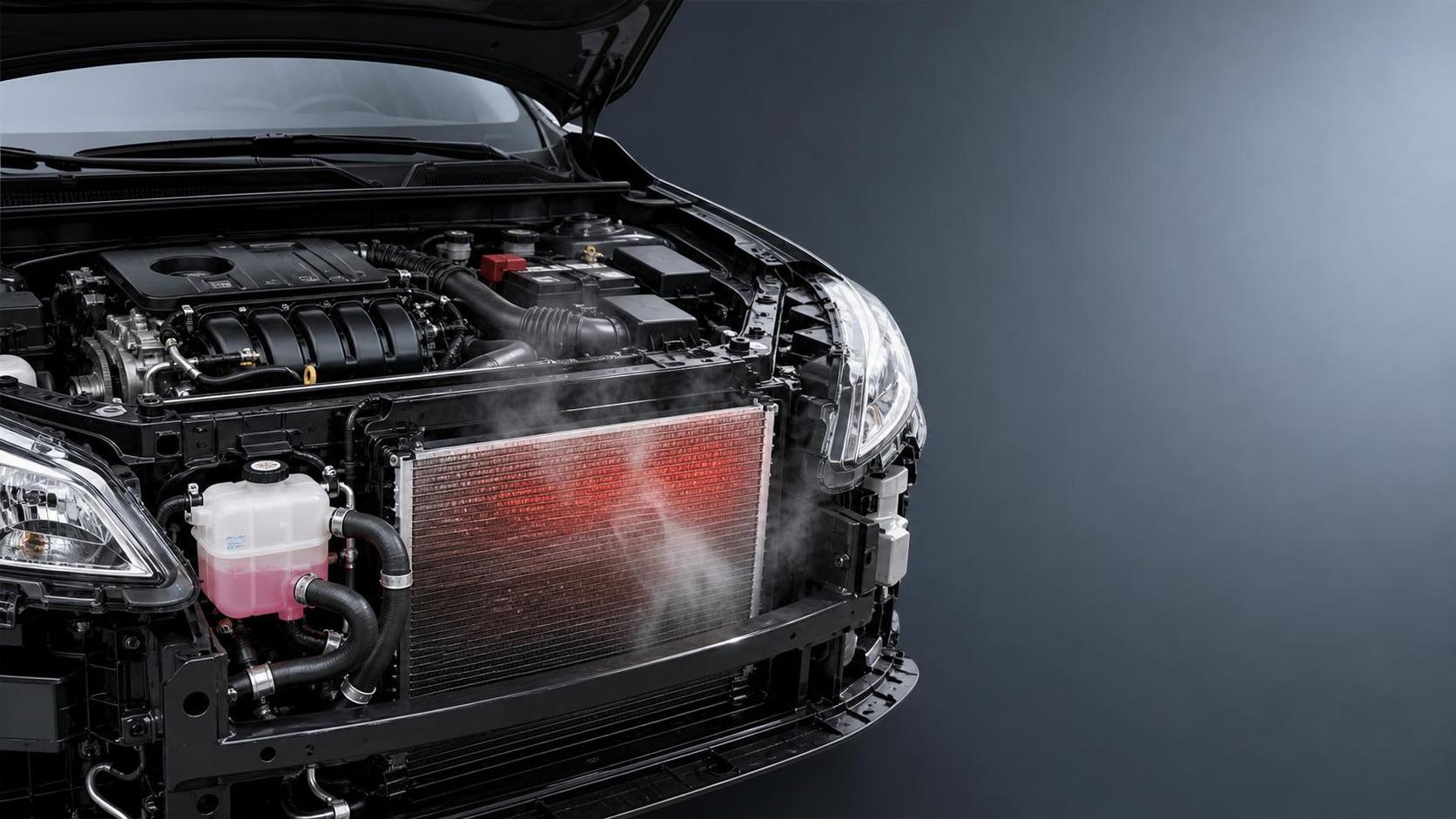
When your Nissan starts running hot, is the radiator always the first suspect?
Not always, but it is one of the first places worth thinking about. If your Nissan begins running hotter than normal, you are not just dealing with a small coolant issue in many cases. A rising temperature gauge, coolant smell, steam under the hood, weak heat from the cabin vents, or visible leaks can all point toward a cooling system problem, and the radiator is often part of that chain.
The radiator’s job is simple: move heat out of the coolant before that heat stays trapped in the engine. Once flow is restricted, coolant level drops, or the radiator can no longer release heat properly, engine temperature can climb fast. That does not mean every overheating event is caused by the radiator itself. A stuck thermostat, failing water pump, bad fan, collapsed hose, or a weak radiator cap can create similar symptoms. Still, when people search for nissan radiator problems, they are usually trying to understand what the signs mean before damage gets expensive.
What are the most common Nissan radiator overheating symptoms?
The most common signs are fairly easy to notice if you catch them early:
- The temperature gauge rises higher than usual, especially in traffic or while idling
- Coolant puddles appear under the front of the vehicle
- Steam comes from the grille area or under the hood
- The cabin heater blows lukewarm or cold air when the engine is hot
- You smell sweet coolant after driving
- The engine temperature goes up on hills, under load, or with the air conditioning on
One symptom on its own does not always confirm radiator failure. A pattern matters more. For example, if your Nissan runs normal at highway speed but starts getting hot in stop-and-go traffic, that often suggests poor airflow through the radiator or a cooling fan issue. If it overheats at speed too, internal clogging, coolant loss, or circulation problems become more likely.
A rising temperature gauge does not always mean the same thing. What does it usually point to?
This is where driving conditions matter. The gauge behavior often tells you more than people realize.
What drivers often miss is the difference between “running a little warmer than before” and “spiking into hot.” A gradual change can mean the radiator is losing efficiency over time due to age, corrosion, or blocked fins. A sudden jump is more urgent and usually means you should stop driving as soon as it is safe.
If coolant is leaking, does that mean the radiator itself is cracked?
Sometimes, yes. But a leak near the radiator area does not automatically mean the radiator core is the failed part. On many vehicles, leaks can come from the radiator end tanks, drain plug area, hose connections, upper or lower radiator hoses, cap seat, overflow reservoir, or even nearby components that let coolant run down and collect under the radiator.
A simple visual check can narrow it down:
- Look for dried coolant residue. It often leaves white, green, pink, or crusty marks depending on coolant type.
- Check the seams where plastic tanks join the radiator core.
- Inspect hose ends for wetness or staining around clamps.
- Look through the front grille for bent fins, debris, or obvious wet spots.
If the leak only appears when the engine is fully warm, pressure may be forcing coolant out through a small weak point. That is common with aging radiators and caps.
Why would weak cabin heat be related to a Nissan radiator problem?
Because weak heat often means coolant is not circulating correctly, or the system is low on coolant. Drivers usually think of cabin heat as a comfort feature, but it is also a clue. The heater uses hot coolant from the engine. When the heater suddenly blows cool air while the engine is running hot, that can mean the cooling system is low, air is trapped inside, or circulation is uneven.
This does not prove the nissan radiator is the only bad part, but it does tell you the system is no longer moving heat the way it should. That is the kind of symptom people ignore because the car still drives. It should not be ignored.
Steam under the hood: can you still drive a short distance?
That is a bad gamble. Steam usually means coolant is reaching temperatures high enough to boil or escape onto hot components. At that point, the engine may already be beyond its normal operating range. Continuing to drive can turn a cooling system repair into a warped cylinder head, damaged head gasket, or much larger engine bill.
If you see steam:
- Pull over safely
- Shut the engine off
- Do not open the radiator cap while hot
- Wait for the system to cool before any inspection
A lot of damage happens after the first warning, not before it.
What usually causes a radiator to stop cooling properly if it is not visibly leaking?
There are two common paths: blocked airflow on the outside and restricted coolant flow on the inside.
Externally, radiator fins can get packed with dirt, bugs, leaves, road debris, or even bent over from impact and rough cleaning. That reduces the radiator’s ability to release heat. Internally, old coolant, corrosion, scale, or contamination can narrow the passages inside the core. The radiator may still hold coolant and not drip, but heat transfer gets worse.
This is why “no leak” does not mean “radiator is fine.” A partially clogged radiator often shows up as chronic overheating under load, repeated hot weather issues, or a car that never quite feels stable on long drives.
Can a bad radiator cap really cause overheating?
Yes. It sounds minor, but the radiator cap helps maintain cooling system pressure. Pressure raises the boiling point of coolant. If the cap cannot hold pressure, coolant may boil earlier than it should, escape into the overflow system incorrectly, or leave the system low after repeated heat cycles.
A weak cap can produce confusing symptoms: occasional overheating, coolant smell, overflow tank issues, or loss of coolant without an obvious large puddle. It is a small part, but it should not be dismissed during diagnosis.
How can you tell whether it is the radiator, thermostat, water pump, or cooling fan?
You usually need to compare symptoms instead of hunting for one perfect sign.
- Radiator-related issues: visible leaks, clogged fins, overheating under load, uneven radiator temperature across the core, repeated high temps despite correct coolant level
- Thermostat problems: engine heats up quickly from cold, upper hose behavior seems abnormal, temperature may swing sharply
- Water pump trouble: poor circulation, overheating at multiple speeds, possible noise or seepage around the pump area
- Cooling fan failure: runs hot mostly in traffic or at idle, then improves once road speed increases
For a consumer, the practical point is this: if the symptom pattern changes with vehicle speed, air conditioning load, or heater output, that pattern is useful information. It helps separate a radiator problem from another cooling component.
Is it safe to keep topping off coolant and driving?
Only as a very short-term emergency measure, not as a plan. If coolant level keeps dropping, the system has a leak, pressure issue, or internal fault that needs to be found. Repeatedly adding coolant without fixing the cause can hide a worsening problem until the engine overheats hard.
There is another problem too: when the level drops enough, air enters the system. Air pockets can disrupt circulation and create false temperature behavior, weak heat, and hot spots inside the engine. At that stage, even a full refill may not solve the issue unless the system is bled properly.
What should a driver check before assuming the radiator needs replacement?
A careful basic check can prevent replacing the wrong part. Focus on what is visible and repeatable:
- Coolant level in the reservoir when the engine is cold
- Signs of leakage around the radiator, hose joints, and undertray area
- Condition of radiator fins and airflow path
- Whether overheating happens at idle, at speed, or all the time
- Whether the cabin heater output changed at the same time
- Whether the cooling fan turns on when the engine gets hot
These checks do not replace proper diagnosis, but they often tell you whether the radiator is a strong suspect or just one possible part in the system.
When is overheating already serious enough to stop driving immediately?
Stop driving if the gauge enters the hot zone, a warning light appears, steam is visible, or the engine starts running rough during the overheating event. Also stop if coolant is pouring out rather than slowly seeping. Those are not “watch it and see” situations.
The rule is straightforward: if your Nissan is clearly overheating, protecting the engine matters more than reaching the destination. Cooling system repairs are usually manageable. Engine damage caused by ignoring them often is not.
What is the smartest next step if you suspect a Nissan radiator problem?
Start by treating the symptoms as a pattern, not as isolated annoyances. A small coolant smell, slightly weak heat, and a temperature gauge that creeps up in traffic may all be connected. Write down when it happens, check for visible leaks only when the engine is cool, and pay attention to whether the behavior changes with speed or load.
If there is visible steam, rapid temperature rise, or repeated coolant loss, stop using the vehicle until the cause is identified. If the symptoms are milder but recurring, get the cooling system inspected before the next long drive or hot-weather trip. With a nissan radiator, waiting too long is usually what turns an early warning sign into a much bigger repair.