



What to Check Before Ordering an Excavator Radiator
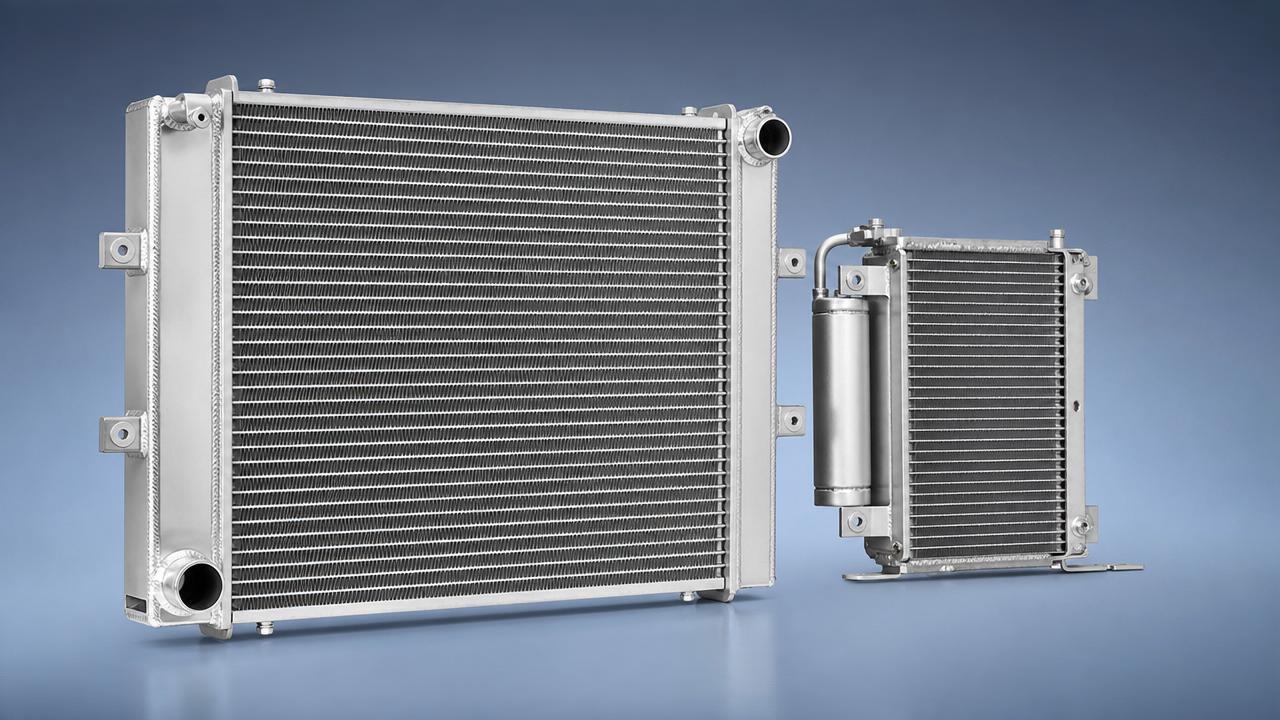
Before ordering an Excavator radiator, confirm the details that directly affect fit, cooling efficiency, and service life.
A wrong choice can cause overheating, installation delays, fluid leaks, and unexpected machine downtime.
In parts sourcing, small specification errors often create large operating costs.
Checking dimensions, material strength, pressure rating, and model compatibility helps secure better long-term value.
Liaocheng Xinde Auto Parts Co., Ltd. focuses on radiator and cooling system development for demanding vehicle and machinery applications.
Its experience in heavy truck, construction machinery, and new energy radiator modules reflects the importance of precise cooling component selection.
Why checking the operating scene matters before buying an Excavator radiator
Not every Excavator radiator works equally well in every jobsite condition.
A machine used in mining faces different thermal loads than one used in municipal trenching.
Dust concentration, ambient temperature, duty cycle, and engine load all change radiator demands.
Ordering without checking the actual work scene may lead to underperforming cooling capacity.
It may also result in overspending on features that the machine never truly needs.
The best approach is to review the machine’s environment first, then match the Excavator radiator specification.
Scenario 1: Replacement for a standard construction site machine
For general construction use, the first check is exact physical compatibility.
Measure core size, total height, width, thickness, mounting points, and inlet-outlet positions.
Even a minor difference can affect hose routing or fan shroud alignment.
Check OEM number, engine model, machine serial range, and cooling package layout.
A standard-duty site machine usually needs reliable fit more than customized thermal upgrades.
Key checks for this common ordering scene
- Core dimensions match the original unit exactly.
- Tank material and bracket positions follow the existing assembly.
- Cap pressure and coolant flow path meet machine requirements.
- Fan clearance is confirmed after installation.
- The supplier can verify drawings or sample photos before shipment.
Scenario 2: High-temperature or heavy-load excavation work
Machines working in quarries, mines, and long-cycle digging face much higher cooling stress.
In this scene, cooling performance becomes the primary selection factor.
Review heat dissipation area, fin density, tube design, and coolant flow efficiency.
An Excavator radiator for hot regions should also tolerate extended idling and repeated peak loads.
If the machine often works above rated ambient temperatures, ask for thermal performance confirmation.
This is especially important when choosing aftermarket parts instead of original assemblies.
What to verify in a high-heat scene
- Higher-efficiency core structure for better heat exchange.
- Stable brazing quality under pressure and vibration.
- Resistance to coolant corrosion and scale buildup.
- Test data for burst pressure and thermal cycling.
Some buyers compare cooling products across equipment categories to judge supplier capability.
For example, heavy-duty applications often value product consistency like RADIATOR FOR SCANIA XD055.
Scenario 3: Dusty, muddy, or corrosive work environments
An Excavator radiator used in dirty environments needs more than basic cooling capacity.
It must also stay clean enough to maintain airflow.
Fine fins may improve heat transfer, but they can clog faster in dust-heavy scenes.
Mud, chaff, and oil residue can block airflow and sharply reduce performance.
For coastal, chemical, or high-humidity areas, material corrosion resistance becomes critical.
Aluminum quality, coating treatment, and weld integrity should be checked carefully.
Practical checks for harsh environmental scenes
- Choose a fin design that balances airflow and cleanability.
- Confirm resistance to vibration, mud splashing, and debris impact.
- Ask whether anti-corrosion treatments are available.
- Review maintenance access around the installed radiator pack.
How requirements differ across Excavator radiator ordering scenes
Recommended checks before confirming the order
A structured review reduces ordering errors for any Excavator radiator.
- Collect machine brand, model, year, engine code, and serial number.
- Verify radiator drawings, photos, or old sample measurements.
- Confirm material type, such as aluminum core and tank construction.
- Check pressure rating, coolant type, and operating temperature range.
- Review packaging strength for export and long-distance transport.
- Ask about leak testing, welding inspection, and quality traceability.
- Confirm warranty scope and support for installation questions.
These steps are simple, but they prevent costly delivery mistakes and repeat purchases.
Common mistakes when choosing an Excavator radiator
One frequent mistake is focusing only on price.
A lower-cost Excavator radiator may use thinner material or weaker brazing quality.
Another mistake is matching only by machine name, not by serial range or engine variant.
Some machines share model names but use different cooling assemblies.
Ignoring airflow conditions is also risky.
If the fan, shroud, or oil cooler layout changes, radiator performance can drop.
Many buyers also overlook packaging protection, which can cause fin damage before installation.
For suppliers with broader cooling expertise, product consistency across categories matters.
That is why some also review references such as RADIATOR FOR SCANIA XD055 when assessing manufacturing standards.
How to move from inquiry to a confident final decision
Start with clear technical data instead of a short part request.
Share dimensions, application photos, and performance concerns with the supplier.
State whether the machine works in heat, dust, moisture, or heavy-duty cycles.
Request confirmation on fit, cooling performance, and material specifications before payment.
A reliable supplier should provide responsive communication and practical verification support.
When the right Excavator radiator is selected for the real operating scene, equipment reliability improves and replacement risk drops.
That final check is what turns a routine purchase into a durable parts decision.