



What to Check Before Buying an Agricultural Radiator for Sale
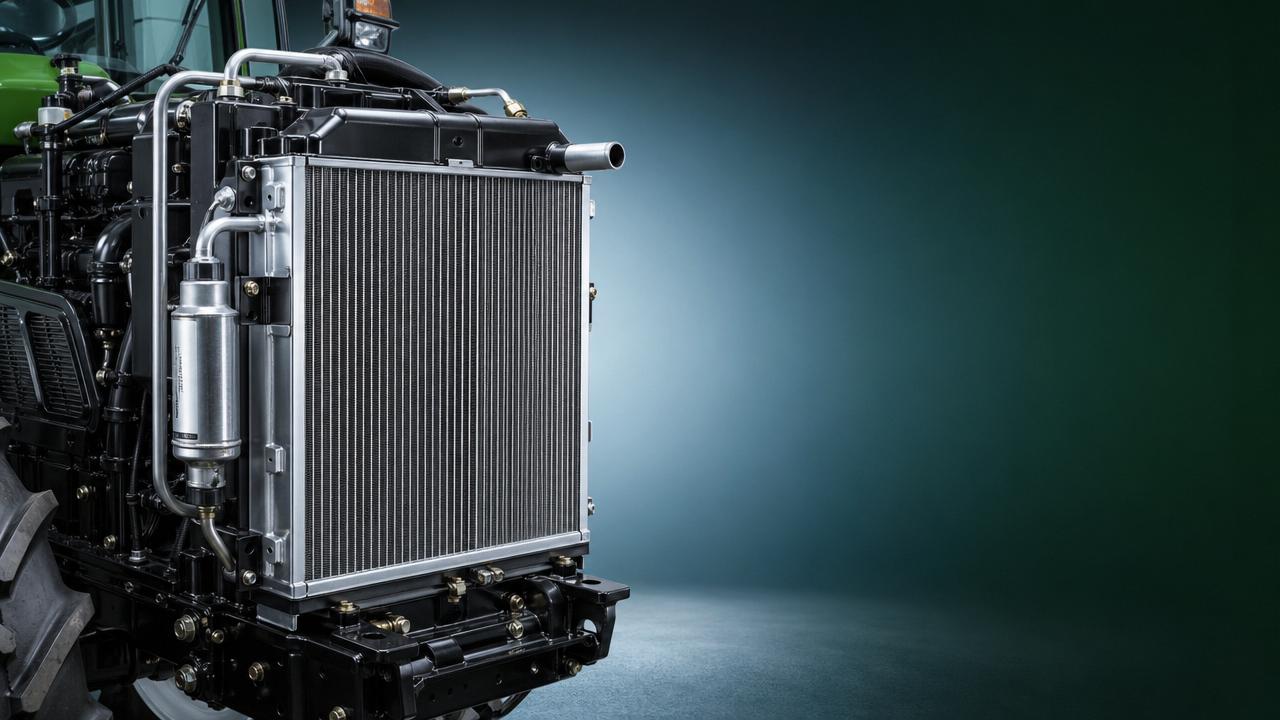
Before choosing an agricultural radiator for sale, it is important to look beyond price and focus on durability, cooling performance, fitment, and supplier reliability. A well-matched radiator can improve engine efficiency, reduce downtime, and extend equipment life. This guide will help end consumers understand the key factors to check before making a smart and cost-effective purchase.
What exactly should you expect from an agricultural radiator for sale?
When buyers search for an agricultural radiator for sale, they are not simply looking for a metal replacement part. They are looking for a cooling component that can survive heavy vibration, dust, mud, long operating hours, and seasonal temperature changes. In tractors, harvesters, sprayers, and other farm machines, the radiator plays a direct role in protecting the engine from overheating and helping the equipment maintain stable output during demanding work.
A good agricultural radiator for sale should deliver three things at the same time: dependable heat dissipation, correct installation dimensions, and long service life. If one of these is missing, the radiator may fit but cool poorly, or cool well but fail too early because the material or welding quality is weak. That is why experienced buyers compare more than catalog photos and basic measurements.
For end consumers, the smartest way to evaluate value is to think in terms of operating cost rather than only purchase cost. A cheaper radiator that causes leaks, overheating, or repeated replacement often becomes more expensive than a higher-quality unit. In farm work, downtime during planting or harvest can be far more costly than the part itself.
What functions matter most?
The core job of the radiator is to transfer heat from coolant to ambient air efficiently. That sounds simple, but in agricultural use it requires strong tube-and-fin construction, efficient airflow design, and enough capacity for long hours under load. Machines often run in low-speed conditions where airflow is limited, so radiator design becomes even more important.
You should also expect resistance to corrosion, pressure stability, and secure connections at the inlet, outlet, and mounting points. A unit that handles rough field conditions without cracking, clogging, or deforming is much more valuable to the end user than one that only performs well in ideal conditions.
Key baseline expectations
- Stable cooling during long operating hours
- Reliable sealing and leak resistance
- Correct fitment for the target machine model
- Good resistance to vibration, dust, and corrosion
- Reasonable service life and accessible after-sales support
How can you tell whether the radiator will actually fit your machine?
Fitment is one of the most common buying mistakes. Many consumers assume that if a radiator looks similar or is described as “compatible,” it will work without issue. In reality, even small differences in core thickness, hose neck size, bolt hole position, or fan shroud clearance can create installation problems or reduce cooling efficiency after installation.
The first thing to verify is the exact machine make, model, year, engine version, and if possible the OEM part number. Agricultural equipment often has model variations within the same product line, and those variations may use different cooling assemblies. A precise match reduces the risk of returns and avoids modifications that can weaken reliability.
Also ask for technical drawings or dimensional confirmation before purchase. Serious suppliers are usually willing to confirm overall size, core size, inlet and outlet location, mounting bracket layout, and transmission or oil cooler integration if applicable. This step matters especially when buying online from a broad “agricultural radiator for sale” listing.
Which dimensions should you check before ordering?
Do not stop at length and width. The total assembly depth, fin density, hose connection diameter, cap type, drain plug position, and mounting cushion locations can all affect installation and operation. If your old radiator is available, compare it directly and photograph every angle before replacing it.
This same discipline applies across different vehicle and machinery cooling systems. For example, in modern thermal management products such as Radiator for BYD, manufacturers focus heavily on exact integration because efficient cooling for battery packs, drive motors, and power electronics depends on precise fit and heat exchange. Agricultural equipment may be different in application, but the lesson is the same: correct matching is essential for performance and safety.
Fitment checklist for buyers
What quality signs separate a durable radiator from a risky one?
Material and manufacturing quality make a major difference in real-world performance. An agricultural radiator for sale may look acceptable in photos, but weak brazing, thin tanks, poor fin bonding, or inconsistent pressure testing can lead to early failure. Consumers should ask what materials are used, how the radiator is tested, and whether the supplier can provide product specifications beyond marketing language.
Aluminum radiators are widely preferred because they are lightweight, corrosion resistant, and efficient in heat transfer. However, aluminum quality is not equal across products. Tube design, fin spacing, and weld consistency all affect durability. In field conditions, vibration resistance is especially important because agricultural machinery often runs over uneven terrain for extended periods.
You should also examine whether the radiator is built for service conditions rather than only basic replacement. A well-engineered cooling component should maintain performance under pressure and temperature cycles, not just pass a short bench test. This is one reason established manufacturers gain trust over time.
Which supplier signals are worth checking?
A reliable supplier should be able to explain product development, testing, and application experience clearly. Liaocheng Xinde Auto Parts Co., Ltd., established in 2018 with registered capital of 5 million RMB and total investment of 50 million RMB, is a professional manufacturer focused on water tank radiators, intercoolers, construction machinery radiators, and related components for heavy trucks and new energy radiator modules. For consumers, this kind of specialization matters because radiator quality depends on technical know-how rather than simple trading ability.
The company’s rapid growth and recognition as a High-tech Enterprise, Civilized and Honest Enterprise, and Trustworthy Unit for Consumers can also serve as useful trust indicators. Awards alone should not replace technical verification, but they can support confidence when combined with clear product specifications, responsive communication, and after-sales support.
If a seller cannot explain manufacturing standards, testing methods, or application references, that is a warning sign. End consumers should prefer suppliers who answer practical questions directly and can verify compatibility before shipment.
Quality questions to ask the seller
- What material and production process are used?
- Is each radiator pressure tested before delivery?
- Can you confirm the exact compatible machine model and OEM reference?
- What warranty or after-sales support is available?
- Do you have experience supplying radiators for heavy-duty or harsh-use applications?
Is the cheapest agricultural radiator for sale really the most economical choice?
Usually, no. The lowest upfront price can be attractive, especially for consumers trying to control repair costs, but a radiator should be evaluated based on total ownership cost. That includes installation labor, coolant replacement, shipping delays, return risk, machine downtime, and possible engine damage if cooling performance is poor.
A low-cost unit may still be a good buy if it comes from a credible manufacturer, matches your machine exactly, and has documented quality checks. The problem is that some low-priced listings hide compromises in material thickness, tube count, fin quality, or testing consistency. These details are not always visible in product images, so buyers need to ask better questions before deciding.
The best value often comes from balancing price with durability and service confidence. A radiator that performs reliably through multiple seasons can protect your machine, reduce maintenance interruptions, and deliver a better return than a bargain option that must be replaced early.
How should you compare options fairly?
Create a short comparison list instead of choosing from one product page alone. Evaluate cooling capacity, fitment certainty, construction quality, warranty, supplier responsiveness, and delivery time together. This approach gives a more realistic view of which agricultural radiator for sale is truly the best choice for your budget and application.
Quick comparison table
What mistakes do buyers make most often when choosing an agricultural radiator for sale?
One frequent mistake is buying by appearance alone. Two radiators may look nearly identical but differ in internal structure, mounting detail, or heat exchange capacity. Another common mistake is assuming all aftermarket radiators perform similarly. Some are engineered carefully for specific applications, while others are generic replacements with less predictable durability.
Buyers also sometimes ignore the real reason the old radiator failed. If the original part was damaged by vibration, contaminated coolant, blocked airflow, or a faulty cap, simply installing a new radiator may not solve the problem. You should inspect hoses, fan operation, coolant quality, and surrounding components before finalizing the replacement.
A third mistake is overlooking seller support. If the part arrives with a fitment issue or shipping damage, responsive after-sales service becomes very important. This is why supplier reputation matters almost as much as product specification.
What warning signs should make you pause?
Be cautious if the listing offers very little technical detail, no clear compatibility data, no testing information, or only generic claims such as “high quality” without evidence. Also be careful if the seller avoids answering dimensional questions or cannot provide actual product photos. These gaps increase the risk of buying the wrong agricultural radiator for sale.
Common buying errors to avoid
- Choosing only by lowest price
- Ignoring OEM numbers and exact model details
- Failing to verify hose and mounting positions
- Not checking warranty or return support
- Replacing the radiator without checking the full cooling system
What should you confirm with the supplier before placing the final order?
Before you purchase an agricultural radiator for sale, confirm the machine information, detailed dimensions, material, testing status, packaging method, delivery schedule, and warranty terms. These details reduce uncertainty and help you compare offers professionally. Even for end consumers, asking technical questions is worthwhile because it prevents avoidable problems later.
It is also useful to ask whether the supplier has related experience across other cooling applications. Manufacturers that serve heavy trucks, construction machinery, and advanced thermal systems often develop stronger engineering discipline. In the new energy field, for instance, products such as the BYD476ZQB-1301010-025 are designed for new energy vehicles with efficient cooling and a perfect-fit approach, showing how performance depends on accurate design and maximum heat exchange. That same design mindset is valuable when evaluating agricultural cooling parts.
Finally, ask how the supplier handles issues if they occur. A professional answer should cover inspection, replacement, and communication steps. Good pre-sale support often predicts good after-sales support, and that matters when your equipment cannot afford extended downtime.
What is the smartest next step for a buyer?
Prepare your machine model data, old radiator photos, measurements, and any OEM references before you contact the seller. Then request a full compatibility confirmation and compare not just price, but construction quality, cooling performance, and service reliability. That approach gives you a far better chance of choosing the right agricultural radiator for sale the first time.
Final pre-order question list
- Is this radiator confirmed for my exact machine model and engine version?
- Can you provide dimensions or drawings for verification?
- What tests are completed before shipment?
- What warranty and support policy do you offer?
- How fast can you deliver, and how is the radiator protected during shipping?
In short, the best agricultural radiator for sale is the one that matches your machine precisely, cools effectively under real field conditions, and comes from a supplier that can prove quality and support the purchase. If you need to confirm a specific model, technical parameters, delivery timeline, pricing, or cooperation method, start by sharing your equipment model, OEM number, operating environment, and photos of the existing radiator so the supplier can recommend the most suitable solution with confidence.