



Where a High Efficiency Condenser Delivers Real Energy Savings
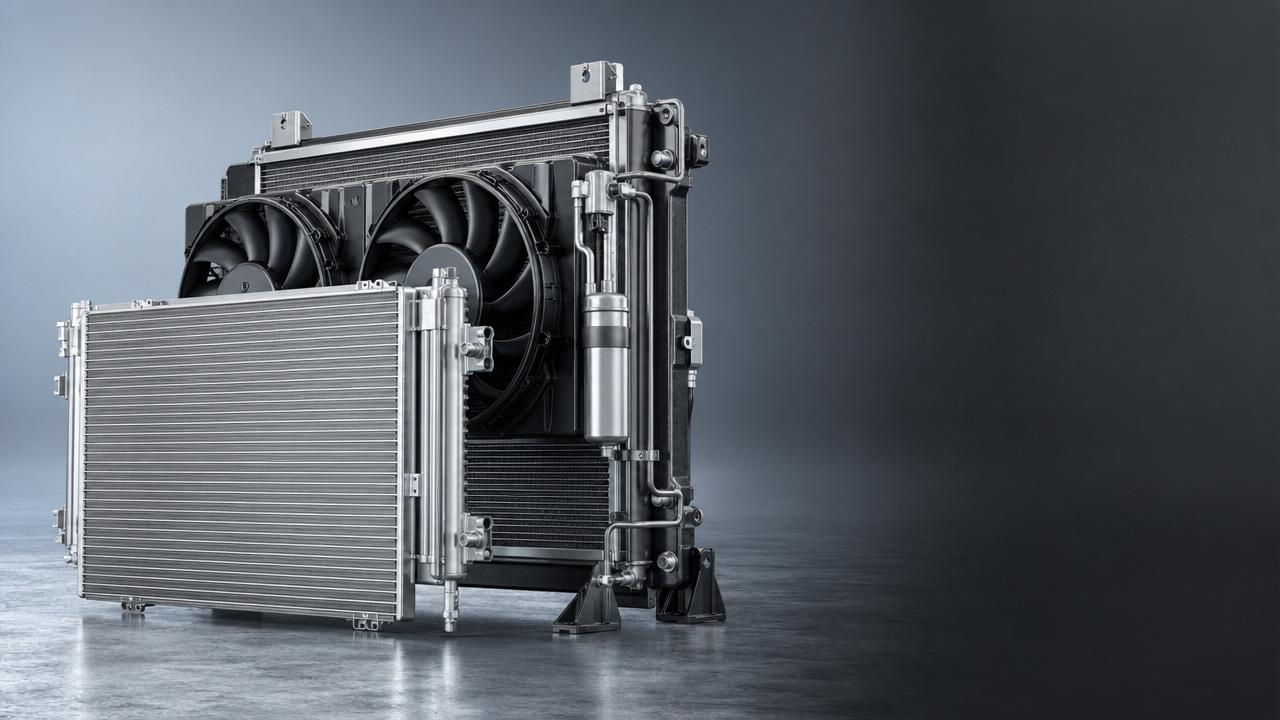
A high efficiency condenser can reduce energy use in a measurable way, but the savings are never created by the condenser alone. In real-world cooling systems for heavy trucks, construction machinery, and new energy platforms, results depend on airflow, thermal load, ambient temperature, packaging space, fan strategy, and the overall radiator module design. For buyers and researchers, the most useful question is not simply “Is a high efficiency condenser better?” but “Under what conditions does it create enough improvement to justify the change?”
That distinction matters because many efficiency claims are technically true in laboratory conditions yet less impressive in harsh duty cycles. A condenser with stronger heat rejection can lower compressor workload, stabilize refrigerant pressures, and improve overall thermal management. However, if the system suffers from poor airflow, fouling, oversizing, or poor integration with radiators and intercoolers, the gain can be limited. The real energy savings appear when component efficiency aligns with application demands.
For information researchers evaluating cooling components, the most practical approach is to focus on where efficiency gains actually come from, how they translate into lower operating costs, and what design details influence long-term value. This article examines those factors clearly, so you can judge whether a high efficiency condenser is likely to produce meaningful performance and cost advantages in your target application.
What Searchers Usually Want to Know About a High Efficiency Condenser
When users search for “High efficiency condenser,” most are not looking for a generic definition. They want to know whether the component can lower energy consumption in a real system, how much savings are realistic, and which applications benefit the most. In industrial and vehicle-related cooling systems, research intent is usually tied to comparison, specification review, or early-stage sourcing decisions.
That means the most important concerns are practical. Readers want to understand if higher efficiency reduces fuel or electrical load, whether it improves thermal stability under demanding conditions, and how it affects total lifecycle cost. They may also be comparing standard and upgraded condenser designs, trying to identify when better thermal performance results in a visible return rather than a marginal technical improvement.
For sectors like heavy trucks, construction equipment, and new energy thermal systems, another common concern is operating reliability. Buyers and engineers know that a condenser is not selected in isolation. It must work within a crowded module, often alongside the radiator, intercooler, fan, shroud, and related components. So the real decision is about integrated performance, not just a single headline efficiency number.
Where the Real Energy Savings Come From
A high efficiency condenser delivers energy savings mainly by improving heat rejection. When the condenser transfers heat more effectively, refrigerant can condense at lower pressure and temperature under equivalent operating conditions. This reduces the workload on the compressor or associated thermal management system, which can lower total energy consumption. In mobile equipment, that can translate into reduced engine parasitic load or lower electrical demand from cooling-related subsystems.
The second source of savings comes from system stability. In difficult environments such as high ambient temperatures, dusty roads, traffic congestion, long-idle conditions, or heavy-load cycles, inefficient heat exchange often pushes the system toward pressure spikes and unstable cooling behavior. A high efficiency condenser helps maintain more consistent operating parameters. That steadier operation reduces strain on supporting components and can improve energy use over time, especially in applications with long daily run hours.
A third source of value is packaging efficiency. In many vehicles and machines, front-end space is limited. If a condenser can achieve stronger thermal performance within constrained dimensions, engineers may be able to optimize module layout, airflow paths, or fan strategy more effectively. In some cases, better condenser efficiency supports smaller performance sacrifices elsewhere in the system. Those indirect gains can be just as valuable as the direct energy reduction.
Why Some Applications Benefit More Than Others
Not every system receives the same level of benefit from a high efficiency condenser. The strongest gains usually appear in applications with high thermal loads, frequent stop-and-go operation, harsh ambient temperatures, or packaging constraints that make cooling performance difficult to maintain. Heavy trucks and construction machinery often fit this profile because they operate for long periods, face variable loads, and depend on durable thermal management under non-ideal conditions.
In heavy-duty transportation, a condenser upgrade can be especially useful when the vehicle runs in hot climates, climbs long grades, or experiences extended engine operation at low road speeds. Under those conditions, airflow may be less favorable than at highway speed, and cooling demand can remain high. A more efficient condenser can help the system maintain acceptable pressures and reduce the energy penalty associated with stressed cooling operation.
Construction machinery may see even more pronounced value in some cases. Dust, debris, repeated idling, limited service access, and harsh jobsite conditions can all reduce the effective performance of the cooling pack. When equipment works in these environments daily, small efficiency differences become more important. A high efficiency condenser is not a cure for contamination or poor maintenance, but it can provide useful thermal headroom that supports better operating consistency.
New energy systems also deserve attention. Electrified platforms rely heavily on thermal management, and every efficiency gain matters because thermal losses affect range, performance consistency, battery health, and auxiliary power demand. In these applications, a high efficiency condenser can contribute to system-level optimization, but only if the full thermal architecture is designed to take advantage of it.
Operating Conditions Matter More Than Marketing Claims
One of the biggest mistakes in component evaluation is assuming that catalog efficiency automatically becomes field savings. In practice, operating conditions determine the actual value. Ambient temperature is one of the most influential variables. A condenser that performs very well in moderate weather may show its real advantage only when temperatures rise and the system approaches its thermal limits.
Airflow quality is equally important. Condenser performance depends heavily on how much air actually reaches the core, how evenly it is distributed, and whether downstream or upstream components interfere with heat rejection. If the fan, shroud, grille opening, or module stacking arrangement is poor, a high efficiency condenser may never operate near its potential. In that case, energy savings can remain smaller than expected.
Load profile also changes the picture. Systems operating under continuous medium load may not show the same return as systems that repeatedly encounter thermal peaks. In many real-world vehicle and machinery applications, efficiency is most valuable during these peak periods, because that is when the cooling system either preserves stable performance or begins to lose control. The best evaluations compare not just average behavior, but stress behavior.
How to Judge Whether the Upgrade Is Worth It
For researchers and sourcing teams, the most useful evaluation method is a practical one. Start by identifying the baseline problem. Is the current system consuming too much energy, struggling in hot weather, producing unstable pressure behavior, or creating maintenance issues due to excessive thermal stress? Without a defined problem, it is difficult to determine whether a high efficiency condenser is delivering meaningful value or simply adding cost.
Next, look at performance metrics that relate directly to operating outcomes. These may include refrigerant-side pressure behavior, approach temperature, heat rejection capacity, fan duty cycle, compressor load, coolant interaction within the module, and total system recovery under peak thermal conditions. A technical gain that does not improve one of these operational factors may not lead to noticeable savings in service.
Then compare lifecycle cost rather than purchase price alone. A higher efficiency condenser may cost more initially, but if it reduces fuel or electricity use, improves uptime, protects adjacent components, or lowers the frequency of thermally driven failures, its total value may be much greater. This is especially true for fleets and machinery operators where cumulative run hours are high and even modest efficiency improvements compound over time.
Design Details That Often Decide Performance
High efficiency is not only about material quality or core density. Tube geometry, fin design, brazing quality, flow path optimization, pressure drop characteristics, corrosion resistance, and compatibility with the rest of the cooling module all affect results. A well-designed condenser balances heat transfer improvement with durability and service practicality. Overemphasizing one aspect while neglecting others can reduce the real-world benefit.
Module integration is especially important in heavy-duty applications. The condenser often sits within a tightly arranged thermal package that may include a water tank radiator, intercooler, oil cooler, and fan system. If the condenser improves heat transfer but creates excessive resistance to airflow through the stack, the total module performance may not improve as much as expected. The best results come from balanced design rather than isolated optimization.
This is one reason experienced manufacturers in cooling systems focus on complete thermal component development rather than standalone parts alone. Companies involved in radiators, intercoolers, construction machinery radiators, and new energy radiator modules are often better positioned to understand these interaction effects. For researchers, that broader manufacturing capability can be a useful signal when comparing suppliers and evaluating whether a claimed efficiency improvement is likely to translate into system-level value.
What Buyers in Heavy Truck and Machinery Segments Should Compare
For heavy truck and machinery applications, comparison criteria should go beyond general efficiency language. Dimensions, fitment, load compatibility, thermal capacity, operating environment suitability, and manufacturing consistency all matter. A condenser that looks excellent on paper may underperform if it does not match the actual airflow path, mounting constraints, or load profile of the equipment in service.
It is also useful to compare how a supplier supports related cooling components. In many practical purchasing situations, the condenser is only one part of a larger front-end cooling package. A manufacturer with experience across radiators, intercoolers, and heavy-duty modules may provide stronger consistency in design logic and quality control. That can reduce the risk of mismatch between components and improve long-term reliability.
In truck-related applications, even when the focus is on condensers, buyers often review neighboring heat exchange products to assess engineering depth. For example, a reference product such as XD045 MAN F2000 19.603, designed for truck use with dimensions of 1065*688*48, can indicate the kind of dimensional and application-specific discipline needed in heavy-duty thermal component manufacturing. The lesson for researchers is that fitment precision and application targeting are often just as important as generic efficiency claims.
Common Reasons Expected Savings Fail to Appear
One common reason savings do not appear is contamination. Dust, oil residue, insects, road debris, and fin blockage can quickly reduce airflow and heat transfer. In construction machinery and trucks operating in difficult environments, maintenance conditions strongly influence condenser performance. Even a well-designed high efficiency condenser cannot deliver its expected value if the heat exchange surface is consistently obstructed.
Another reason is poor system matching. If compressor characteristics, fan control logic, refrigerant charge, or airflow management are not aligned with the condenser design, efficiency improvements may be partly lost. This is particularly relevant in retrofit situations where only one component is changed while the rest of the system remains unchanged. The result may still be positive, but often less dramatic than expected.
Oversimplified ROI assumptions can also distort expectations. Some buyers assume a direct, linear relationship between condenser efficiency and energy savings. Real systems rarely behave that way. Savings may be strongest only during a portion of the duty cycle, such as high ambient peaks or prolonged low-speed operation. That still makes the upgrade worthwhile in many cases, but it means the business case should be based on actual operating patterns rather than broad average estimates.
How to Think About Long-Term Value
The strongest case for a high efficiency condenser is often not a single energy number. Long-term value usually combines energy reduction, thermal stability, equipment protection, and lower operational risk. In fleet and machinery environments, stable cooling can protect compressors, reduce stress on related components, and improve operator confidence during demanding use. Those outcomes are harder to express in a simple headline, but they matter greatly in real ownership cost.
Supplier reliability also contributes to long-term value. Consistent production quality, material control, and application knowledge reduce the chance of variability between batches or premature field issues. For global buyers, a manufacturer’s background in research, production, and sales across multiple heat exchange product lines can be relevant because it suggests a more complete understanding of how different thermal components work together in practice.
For information-stage readers, the most productive mindset is to treat a high efficiency condenser as a system opportunity rather than a standalone promise. The best savings come when the condenser is chosen for the right load profile, integrated into the right module, and supported by maintenance and airflow conditions that allow its design advantages to show up in daily operation.
Conclusion
A high efficiency condenser can absolutely deliver real energy savings, but those savings are conditional, not automatic. The biggest benefits appear in systems with high thermal demand, difficult ambient conditions, tight packaging, or long operating hours—especially in heavy trucks, construction machinery, and new energy thermal systems. In these environments, stronger heat rejection can lower system strain, improve stability, and support better overall efficiency.
For researchers and buyers, the right question is not whether high efficiency sounds attractive, but whether it solves a real operating problem in the target application. To make that judgment well, focus on load profile, airflow quality, module integration, lifecycle cost, and supplier capability. When those factors align, a high efficiency condenser becomes more than a specification upgrade; it becomes a practical tool for reducing energy use and improving long-term system value.