



What Core Thickness Means When Choosing a Honda Radiator
Start with what core thickness actually changes
When people compare a Honda radiator, they often jump straight to the overall size or the material. In practice, core thickness is one of the details that decides whether the radiator will work well in the car you have, not just whether it looks like an upgrade on paper.
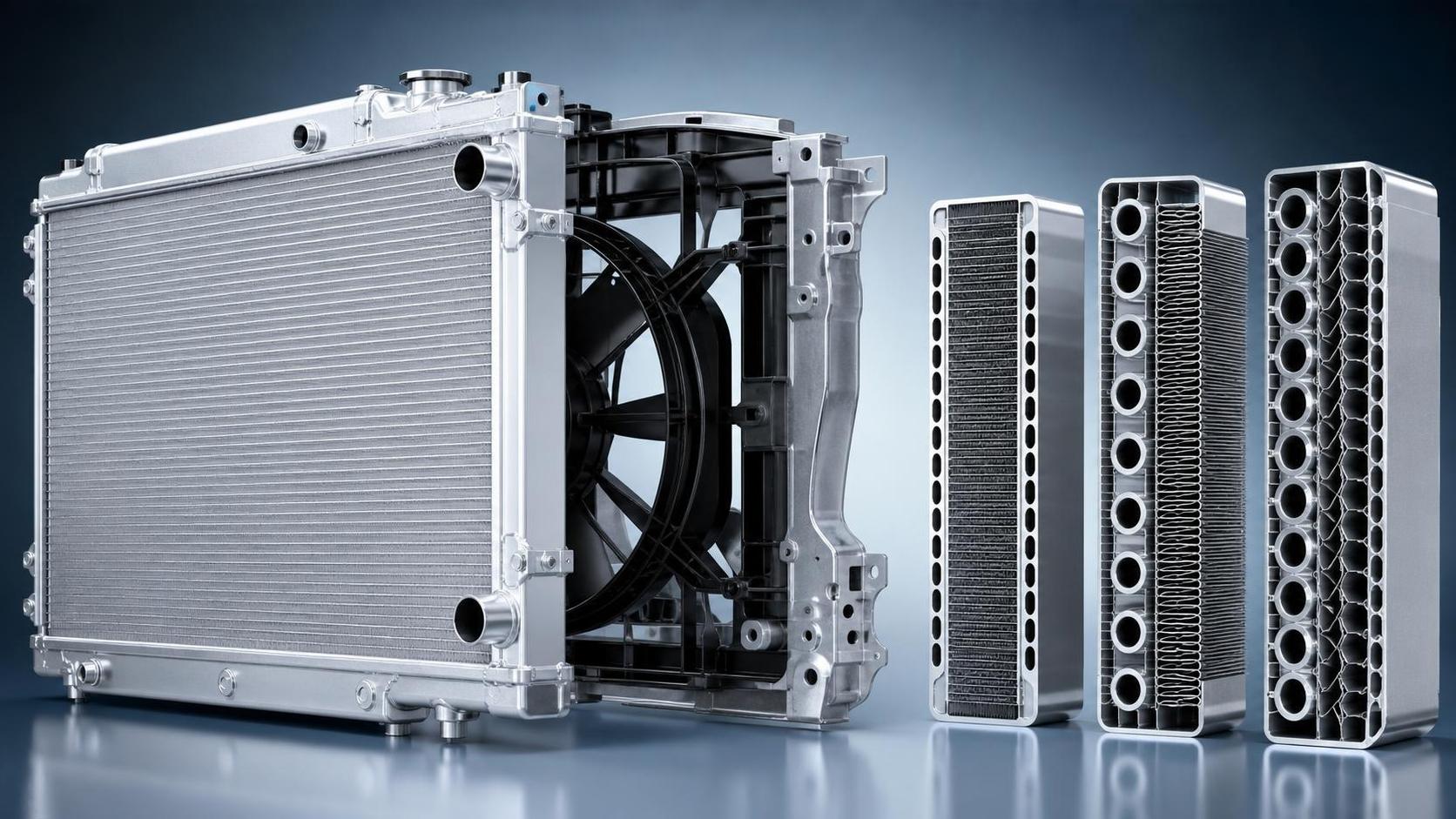
Core thickness is the depth of the cooling section where the tubes and fins sit. More thickness usually means more surface area for heat transfer. That can help with cooling, especially when the engine runs hotter than stock, the car sees slow traffic in hot weather, or the vehicle has extra load from air conditioning, towing, or modified power output. But thicker is not automatically better. Once you move beyond what the engine, fan, and airflow setup can actually use, extra thickness can become wasted capacity or create fitment problems.
That is the first filter: do not read core thickness as a simple quality score. Read it as a match item.
Check the engine and usage before you compare radiator specs
A radiator should be chosen around heat load, not around the biggest number in the listing. Before comparing thickness, pin down four basic things:
- Whether the engine is stock or modified
- How the car is driven: daily commuting, heavy traffic, mountain roads, track use, or hot-climate use
- Whether the vehicle keeps the original fan, shroud, and condenser arrangement
- How much installation space exists between the radiator, fan, and nearby components
For a stock street car that already runs at normal temperature, a thicker core may not deliver a meaningful benefit. For a turbo setup, repeated high-RPM driving, or a vehicle that spends a lot of time idling in heat, thickness starts to matter more. The mistake is buying for the most extreme scenario described in marketing copy rather than the real duty cycle of the car.
Do not separate thickness from airflow
This is where many buyers get the wrong result. A thicker core can absorb and reject more heat, but only if enough air can pass through it. If airflow is weak, a thicker radiator may actually become harder to cool efficiently because air has more resistance to move through.
For a Honda with factory fans and a tight engine bay, that matters a lot. If the fan motor is tired, the shroud coverage is poor, or the condenser in front of the radiator is already restricting flow, adding a very thick core may not fix overheating. It may shift the problem.
A practical check is to look at the full cooling stack, not the radiator alone. Ask:
- Is the fan setup strong enough for low-speed conditions?
- Does the shroud pull air across the full core area?
- Is the condenser clean and properly spaced?
- Are there bent fins or blocked passages reducing effective airflow?
If those items are weak, core thickness alone is not the clean answer.
Measure fitment space before you trust the listing
This sounds obvious, but it gets missed constantly. Thickness affects clearance to the fan, fan shroud, upper hose path, transmission cooler lines where applicable, and sometimes even the exhaust side depending on chassis layout and engine swap details.
If you are selecting a replacement radiator for a specific Honda platform, do not stop at “fits Civic” or “fits Accord.” Measure the available depth in the actual vehicle. Many cars have small differences because of engine variant, automatic versus manual configuration, aftermarket fan conversion, or previous front-end repair work.
A useful checklist here is simple:
- Measure current core depth.
- Measure clearance from the radiator face to the nearest fan or engine-side obstruction.
- Check top and bottom mounts, not just overall dimensions.
- Confirm hose neck position and inlet/outlet size.
- Check whether thicker tanks or brackets change the installed depth beyond the published core thickness.
The last point matters. Some listings highlight core thickness but say less about total assembly thickness, which is what decides real clearance.
Look at core design, not thickness in isolation
Two radiators can have the same thickness and still perform differently. Tube width, fin density, row design, and how the core is built all influence heat rejection and airflow resistance. A poorly designed thick core can lose to a better-designed moderate-thickness core.
When evaluating options, check whether the supplier provides meaningful construction details rather than only a thickness number. You do not need every engineering drawing, but you do need enough information to compare like with like. If one radiator is described only as “high performance” and another gives a clear breakdown of construction and fitment, the second listing usually gives you a better basis for judgment.
Match thickness to the cooling problem you are actually trying to solve
Not every overheating complaint points to insufficient core thickness. Sometimes the radiator is not the main fault at all. A bad thermostat, weak water pump, air trapped in the system, cap pressure loss, clogged passages, or fan control issues can all produce the same driver complaint: rising temperature.
That is why the buying sequence matters. If the current radiator is leaking, corroded, or internally restricted, replacement is straightforward. If the current unit is sound and the vehicle only overheats under certain conditions, define those conditions first:
- Overheats at idle: check fan operation and airflow path
- Overheats at speed: check coolant circulation, blockage, and system pressure
- Runs hot only with A/C on: inspect condenser load and fan performance
- Runs hot after power modifications: review whether stock radiator capacity is still appropriate
A thicker Honda radiator makes sense when the stock setup is genuinely short on heat rejection. It does not make sense as a blind fix for every temperature issue.
Watch for trade-offs in daily driving
Buyers sometimes assume that more cooling capacity has no downside. In reality, every change sits inside a package. A thicker core may add weight, reduce working room in the engine bay, and make installation or later service more awkward. If the radiator sits closer to the fan, clearance margins become less forgiving when mounts wear or the engine moves under load.
There is also a practical sourcing point. If a thicker aftermarket unit requires custom brackets, slim fans, hose rerouting, or trimming, it stops being a simple replacement and becomes a small system change. That may be fine for a planned performance build. It is less attractive for a reliable street car that needs straightforward serviceability.
Use supplier documents to verify the right details
When you are comparing suppliers, ask for the drawing, fitment sheet, or technical specification that shows actual dimensions. For this topic, the useful fields are not complicated, but they do need to be explicit:
- Core thickness
- Overall thickness
- Core height and width
- Tank layout
- Mounting point location
- Inlet and outlet position and size
- Transmission cooler provision, if the application needs it
This is also the best way to avoid comparing two parts that are described with similar vehicle names but built for different sub-models. For technical buyers, the document matters more than the sales headline.
A workable decision order
If you are narrowing down a Honda radiator and core thickness is one of the main variables, use this order.
- Confirm the vehicle configuration and current cooling complaint.
- Measure available installation depth in the actual car.
- Review airflow support: fan, shroud, condenser condition, and front-end obstruction.
- Compare construction details, not just the thickness number.
- Choose the thickest core that the vehicle can actually use without creating fitment or airflow penalties.
That last step is where the real judgment sits. The best choice is rarely the biggest radiator available. It is the one that matches the engine’s heat load, the chassis space, and the airflow system already in the car. Get those three lined up, and core thickness becomes a useful selection standard rather than a marketing distraction.