



Vehicle Radiator Replacement Signs Drivers Should Not Miss
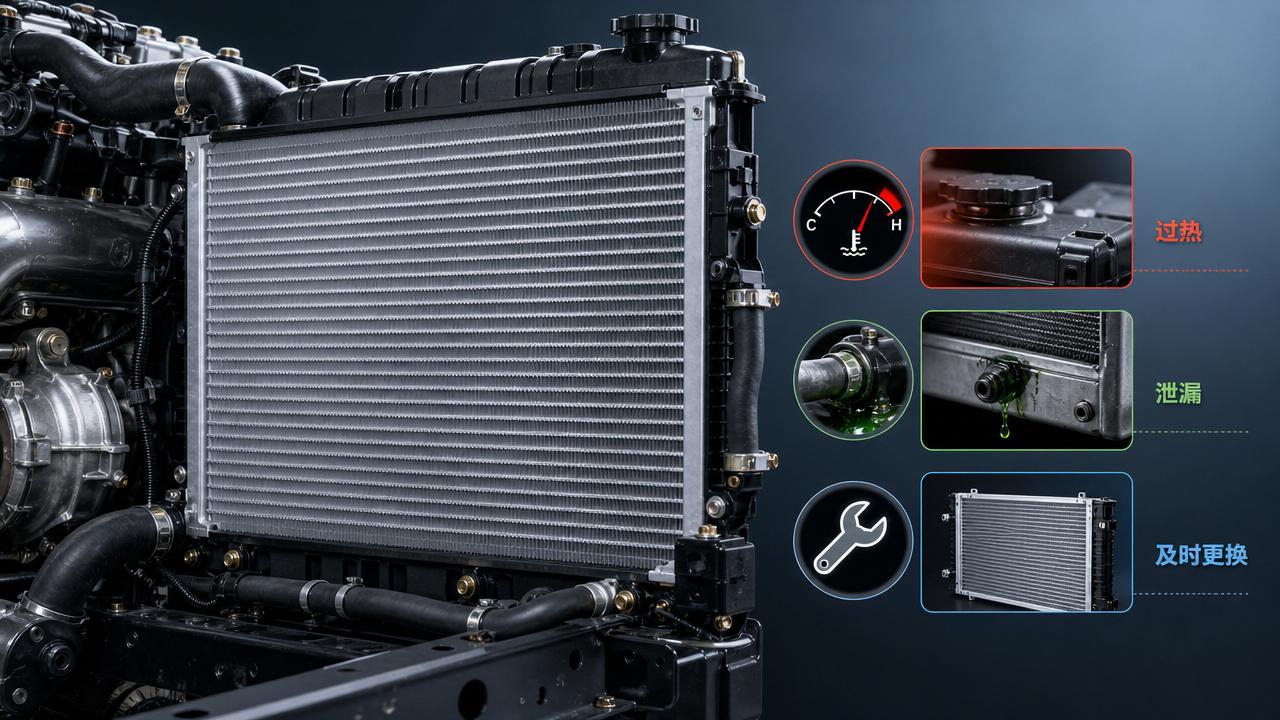
A failing Vehicle radiator rarely stops working without warning. Small changes often appear first. Ignoring them can lead to overheating, weak engine performance, coolant loss, and expensive repairs.
For trucks, machinery, and daily transport vehicles, the Vehicle radiator is a core heat management part. It supports stable temperature control, protects engine components, and helps maintain safe operating efficiency.
This article explains the most important replacement signs, why they matter, and how to make better maintenance decisions before a minor cooling issue becomes a major mechanical failure.
Understanding the Role of a Vehicle Radiator
A Vehicle radiator transfers heat away from engine coolant. As coolant circulates, the radiator releases heat through its core, tubes, and fins with the help of airflow.
When this process weakens, engine temperature rises faster. That creates stress on hoses, pumps, seals, gaskets, and nearby cooling parts.
In heavy-duty applications, radiator performance becomes even more critical. Long operating hours, high loads, rough environments, and stop-start conditions increase thermal pressure on the cooling system.
Liaocheng Xinde Auto Parts Co., Ltd. focuses on radiator and cooling module development for heavy trucks, construction machinery, intercoolers, water tank radiators, and new energy applications.
Why Radiator Replacement Signs Deserve Immediate Attention
Many cooling failures begin with subtle symptoms. Drivers may only notice a small leak, a temperature rise, or an unusual smell. These signs should never be delayed.
A damaged Vehicle radiator can affect more than coolant temperature. It may reduce fuel efficiency, shorten engine life, and increase the risk of roadside breakdowns.
In commercial and industrial use, downtime also means lost productivity. Replacing a weak radiator at the right time is often cheaper than emergency repair after severe overheating.
- Prevents overheating damage
- Reduces unscheduled maintenance
- Improves cooling efficiency
- Supports safer long-distance operation
- Protects related engine components
Common Vehicle Radiator Replacement Signs
The following symptoms are among the clearest warnings that a Vehicle radiator may be near the end of its service life.
Frequent engine overheating
If the temperature gauge rises often, the radiator may no longer release heat effectively. Internal blockage, external fin damage, or core corrosion can all reduce cooling performance.
Visible coolant leaks
Puddles under the vehicle or wet spots around the radiator are strong warning signs. Leaks may come from cracked tanks, damaged seams, corroded tubes, or weakened connections.
Rust, corrosion, or discoloration
External corrosion often means the metal has been exposed to moisture, road salt, or poor coolant quality. Internal corrosion may restrict flow and speed up failure.
Bent or clogged fins
Air must pass through the fins to remove heat. Mud, insects, dust, oil residue, or impact damage can block airflow and reduce Vehicle radiator efficiency.
Low coolant without obvious hose failure
If coolant drops repeatedly and hoses look normal, the radiator may have a slow leak. Tiny cracks can worsen under pressure and high temperature.
Sludge in the coolant
Brown, oily, or contaminated coolant can signal internal corrosion or buildup. A clogged radiator cannot circulate coolant properly, which accelerates overheating risks.
Key Warning Signals at a Glance
Industry Conditions That Increase Radiator Wear
Not every Vehicle radiator fails at the same rate. Operating conditions strongly affect replacement timing. Some sectors place much heavier demands on cooling components.
- Heavy trucks carrying high loads over long distances
- Construction machinery in dusty or muddy environments
- Urban vehicles facing frequent idling and low airflow
- Hot-climate fleets with extended summer operation
- Equipment exposed to vibration, debris, and road salt
In these conditions, cooling system inspections should be more frequent. Replacement decisions should consider real operating stress, not mileage alone.
Practical Value of Timely Vehicle Radiator Replacement
Replacing a weak Vehicle radiator before complete failure offers direct operational benefits. It supports continuity, lowers repair risk, and protects the broader cooling system.
A new radiator can improve thermal stability during climbing, towing, loaded transport, or long idle periods. That matters in both conventional and specialized vehicle platforms.
For example, applications requiring robust fitment may use solutions such as RADIATOR FOR VOLVO XD029, designed for demanding use scenarios.
This model is associated with part numbers 100314589, 21649619, 100316845, and 65624, with a size reference of 945*728*48 for compatible cooling requirements.
Typical Vehicle Categories and Cooling Demands
Inspection and Replacement Guidance
A careful inspection process helps confirm whether a Vehicle radiator needs cleaning, repair, or full replacement. The goal is to assess condition, performance, and failure risk together.
- Check the radiator core for fin damage and blockage.
- Inspect seams, tanks, and fittings for coolant residue.
- Review coolant color, cleanliness, and fluid level.
- Monitor engine temperature during loaded operation.
- Test pressure if slow leakage is suspected.
- Confirm fitment specifications before replacement.
If corrosion is advanced or the core is heavily restricted, replacement is usually the safer choice. Repeated patch repairs may only delay a larger cooling failure.
Selecting a Reliable Replacement Solution
A replacement Vehicle radiator should match the vehicle’s thermal load, installation space, and operating environment. Material quality and manufacturing consistency also matter.
When comparing parts, focus on core size, heat exchange efficiency, structural durability, and compatibility with original system requirements. These factors affect long-term cooling stability.
Companies with dedicated research, production, and global sales experience can provide stronger support for application-specific cooling products across truck and machinery platforms.
Next Maintenance Step
When overheating, leaks, corrosion, or blocked fins appear, treat them as early warnings. A failing Vehicle radiator should be inspected before the cooling system reaches a critical point.
Review the vehicle’s operating conditions, compare replacement specifications, and choose a radiator built for the actual workload. Timely action protects reliability, uptime, and engine safety.
If a heavy-duty cooling solution is required, checking fitment details for RADIATOR FOR VOLVO XD029 can be a practical next step in planning a proper replacement.