



How to Tell if a Vehicle Radiator Is Limiting Engine Performance
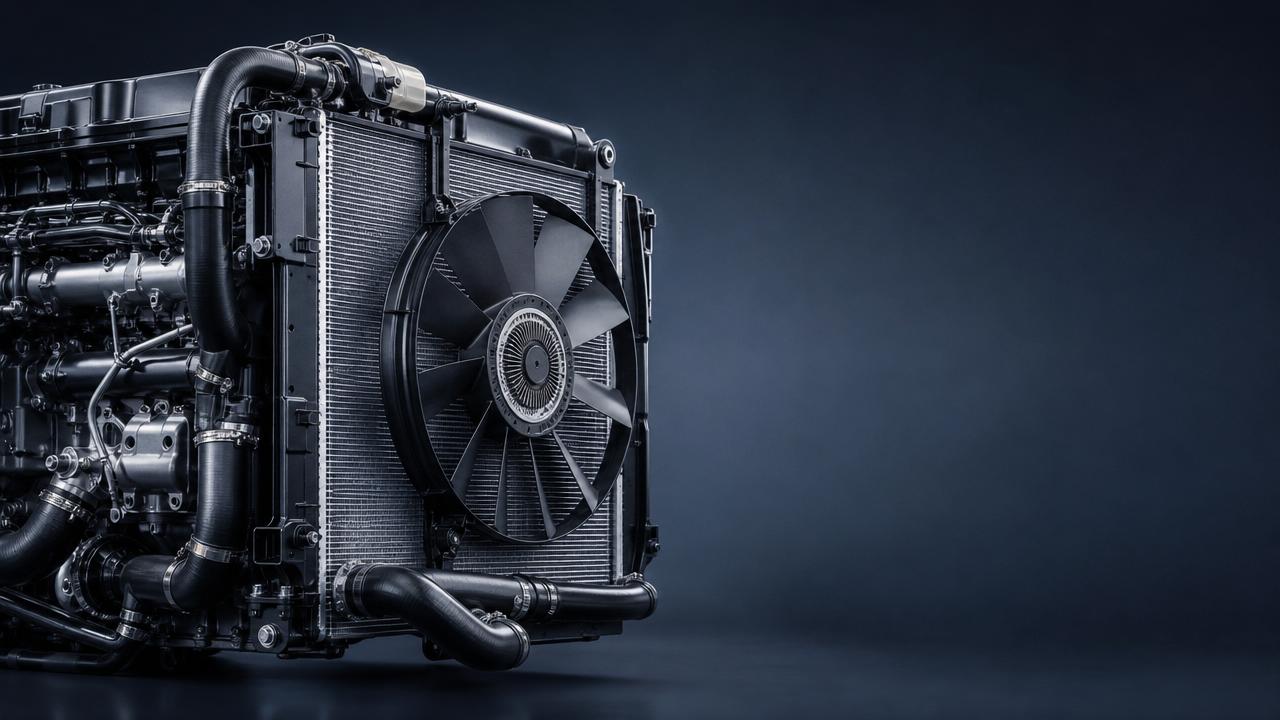
A failing Vehicle radiator can quietly reduce engine efficiency long before a major breakdown occurs. If you operate heavy trucks or machinery, recognizing the early signs of restricted cooling flow can help prevent overheating, power loss, and costly downtime. This guide explains how to tell whether your radiator is limiting engine performance and what key warning signals you should never ignore.
If your engine feels weaker under load, runs hotter than normal, or needs frequent cooldown stops, the Vehicle radiator may be restricting performance even before visible overheating begins.
For operators, the key issue is not just coolant temperature. A partially blocked, internally corroded, or externally clogged radiator can reduce heat transfer enough to affect combustion efficiency and engine output.
The most useful way to judge radiator performance is to compare symptoms, operating conditions, and inspection findings together. One warning sign alone may mislead you, but patterns usually reveal the real problem.
What Does It Mean When a Vehicle Radiator Limits Engine Performance?
A Vehicle radiator limits engine performance when it cannot remove heat fast enough to keep the engine within its designed operating range during real working conditions.
That does not always mean the engine immediately overheats. In many cases, the first effect is reduced efficiency, especially during climbing, hauling, idling in hot weather, or long operating cycles.
Modern engines and heavy-duty systems depend on stable thermal control. When coolant temperatures rise beyond the normal range, the engine may pull timing, reduce power, or increase fuel consumption.
In some machines and trucks, electronic protection strategies may activate before the dashboard shows an extreme condition. The operator notices sluggish response, poor pulling power, or abnormal fan activity first.
So the practical question is simple: is the cooling system barely coping, or is the radiator still providing enough reserve capacity for demanding work? That distinction matters for uptime.
Early Signs Operators Usually Notice First
Operators are often the first to detect radiator-related performance loss because they feel changes in behavior before mechanics see obvious physical failure.
One common sign is a gradual rise in engine temperature during heavy work, while temperatures remain acceptable during light driving or short runs.
Another warning signal is power fading on hills, under full load, or when ambient temperatures are high. The engine may not completely fail, but it no longer feels strong or consistent.
Frequent cooling fan engagement is also important. If the fan runs harder, longer, or almost constantly, the radiator may be struggling to reject heat efficiently.
You may also notice the cab heater output changing unexpectedly, coolant smell after shutdown, or higher-than-usual fuel use during the same type of work.
These signs do not prove the radiator is the only fault, but they strongly suggest the cooling system deserves immediate inspection before a bigger failure develops.
How Restricted Cooling Flow Reduces Engine Output
When a radiator loses efficiency, engine performance drops for both thermal and mechanical reasons. Excess heat affects combustion stability, lubrication quality, and overall load-handling capability.
As coolant temperature rises, the engine oil also runs hotter. Hotter oil thins more easily, reducing its protective margin and increasing friction under heavy operating conditions.
At the same time, engine control systems may limit power to protect components. On heavy trucks and construction equipment, this protection can feel like weak acceleration or reduced pulling strength.
If the overheating trend continues, intake air temperatures and under-hood temperatures may also rise. That creates a chain reaction that hurts efficiency beyond the radiator alone.
For operators, the result is clear: more strain, less confidence under load, more interruptions, and a greater chance of unplanned downtime during important work periods.
The Most Reliable Checks You Can Do in Daily Operation
You do not always need advanced diagnostic tools to suspect a weak Vehicle radiator. Several practical checks during normal operation can reveal whether cooling capacity is becoming restricted.
First, monitor how temperature changes with load. A healthy system usually stabilizes predictably. A weak radiator often shows temperature creep when work becomes harder or slower airflow conditions occur.
Second, compare hot-weather performance with cool-weather performance. If the machine works normally in mild conditions but struggles in heat, radiator efficiency may already be marginal.
Third, inspect the radiator face for dirt, mud, oil film, insects, leaves, or bent fins. External blockage reduces airflow and can cause major cooling loss even if the core looks intact.
Fourth, after proper cooldown and safe access, check for uneven temperature patterns across the radiator. Cold spots can indicate internal blockage preventing coolant from flowing through parts of the core.
Fifth, pay attention to coolant loss, bubbling, staining, or residue around tanks, seams, hoses, and connections. Small leaks can reduce pressure and lower cooling effectiveness.
How to Tell Whether the Problem Is the Radiator or Another Cooling Component
Not every overheating or power-loss complaint means the radiator is at fault. Operators and maintenance teams should separate radiator issues from thermostat, water pump, fan, hose, or sensor problems.
If the engine heats up very quickly from startup, the thermostat may be sticking closed rather than the radiator being restricted.
If coolant circulation seems weak, noise comes from the pump area, or there is shaft leakage, the water pump may be the larger issue.
If temperatures spike mainly at low vehicle speed or idle, poor fan performance, shroud damage, or airflow management problems may be reducing cooling more than the radiator core itself.
If the gauge behavior is erratic with no consistent physical symptoms, a sensor or wiring issue may be creating a false overheating impression.
Still, in many real-world cases, the radiator is part of a combined problem. A partially clogged core plus poor airflow can create performance loss even if no single part has completely failed.
Common Causes of Radiator Restriction in Heavy Trucks and Machinery
For heavy-duty applications, radiator performance often declines from harsh environments rather than sudden breakage. Knowing the cause helps you decide whether cleaning, repair, or replacement is the right step.
External contamination is one of the most common causes. Dust, chaff, mud, cement residue, and oil mist can pack into the fins and reduce airflow through the core.
Internal scaling is another major issue. Poor coolant quality, mixed coolant types, or neglected coolant service can create deposits that narrow coolant passages.
Corrosion inside the radiator can also weaken heat transfer and eventually cause leaks. This is especially risky when maintenance intervals are too long or water quality is poor.
Physical fin damage matters too. Bent fins and crushed areas reduce the effective cooling surface, especially after debris impact or rough cleaning methods.
In older fleets, repeated repairs may leave the cooling system with mismatched performance. A radiator that technically fits may not provide enough capacity for demanding operating conditions.
When Cleaning Is Enough and When Replacement Makes More Sense
Cleaning can solve many radiator performance problems, but only when the core is structurally sound and the restriction is mostly external or minor internally.
If debris is blocking airflow, careful cleaning with the correct pressure and direction can restore significant cooling efficiency. Aggressive washing, however, can flatten fins and worsen performance.
If internal deposits are advanced, flushing may help only temporarily. A core with heavy scaling, corrosion, or multiple blocked passages usually cannot recover full cooling capacity.
Recurring overheating after cleaning is a strong sign that the radiator has reached the limit of practical service. In that situation, replacement is often cheaper than repeated downtime.
For fleet operators or heavy truck users, choosing a properly matched unit matters. Core dimensions, mounting fitment, and thermal capacity should support real operating loads, not just basic installation.
For example, some operators sourcing heavy-duty cooling parts may look for application-specific units such as RADIATOR FOR SCANIA to match required fitment and performance expectations.
Why Radiator Condition Matters More Than Many Operators Think
Many users treat the radiator as a simple background component until a serious overheating event happens. In reality, radiator condition affects daily operating efficiency long before failure becomes dramatic.
A weak Vehicle radiator can increase fuel cost by forcing the engine and fan system to work harder. It can also shorten the life of hoses, seals, oil, and nearby heat-sensitive components.
For operators under time pressure, reduced cooling reserve means less flexibility. The truck or machine may work acceptably in easy conditions but become unreliable during peak demand.
This is why preventive attention has real value. Identifying cooling restriction early helps avoid roadside stoppage, emergency repairs, and lost work hours that cost far more than planned maintenance.
In demanding applications, selecting the right specification also matters. A unit built for the correct platform, such as model 1776026 with size 860*928*40, can support more stable cooling when properly maintained.
A Practical Inspection Checklist Before You Call It a Major Failure
Before assuming the engine itself is weak, run through a basic cooling checklist. This helps operators communicate better with maintenance staff and reduces unnecessary part replacement.
Check whether temperature rises mainly under load, at low speed, or in hot weather. That pattern often points toward cooling efficiency rather than an internal engine defect.
Inspect the radiator exterior for packed debris and damaged fins. Look at hoses, clamps, tanks, and seams for staining, wetness, or dried coolant marks.
Confirm coolant level and coolant condition. Dirty, rusty, or contaminated coolant is often a warning that internal restriction may already be forming.
Listen for abnormal fan behavior and note whether fan cycling seems excessive. Also observe whether power loss appears at the same time temperature rises.
If several of these symptoms occur together, the radiator deserves focused testing. Waiting for a full overheating event usually turns a manageable problem into a costly one.
Conclusion
A Vehicle radiator can absolutely limit engine performance, and it often does so gradually. The earliest clues are usually rising temperatures under load, reduced pulling power, frequent fan activity, and worsening hot-weather performance.
For operators, the smartest response is early observation and practical inspection. Do not wait for steam or a shutdown warning before taking radiator symptoms seriously.
When cooling restriction is caught early, cleaning or targeted maintenance may be enough. When the core is worn, blocked, or no longer adequate, timely replacement protects engine performance and reduces downtime risk.
In short, if your equipment or truck feels hotter, weaker, and less stable than usual, the radiator may already be affecting output. Catching that trend early is one of the simplest ways to protect reliability.