



Vehicle Radiator Basics: What It Does, Where It Sits, and Why It Fails
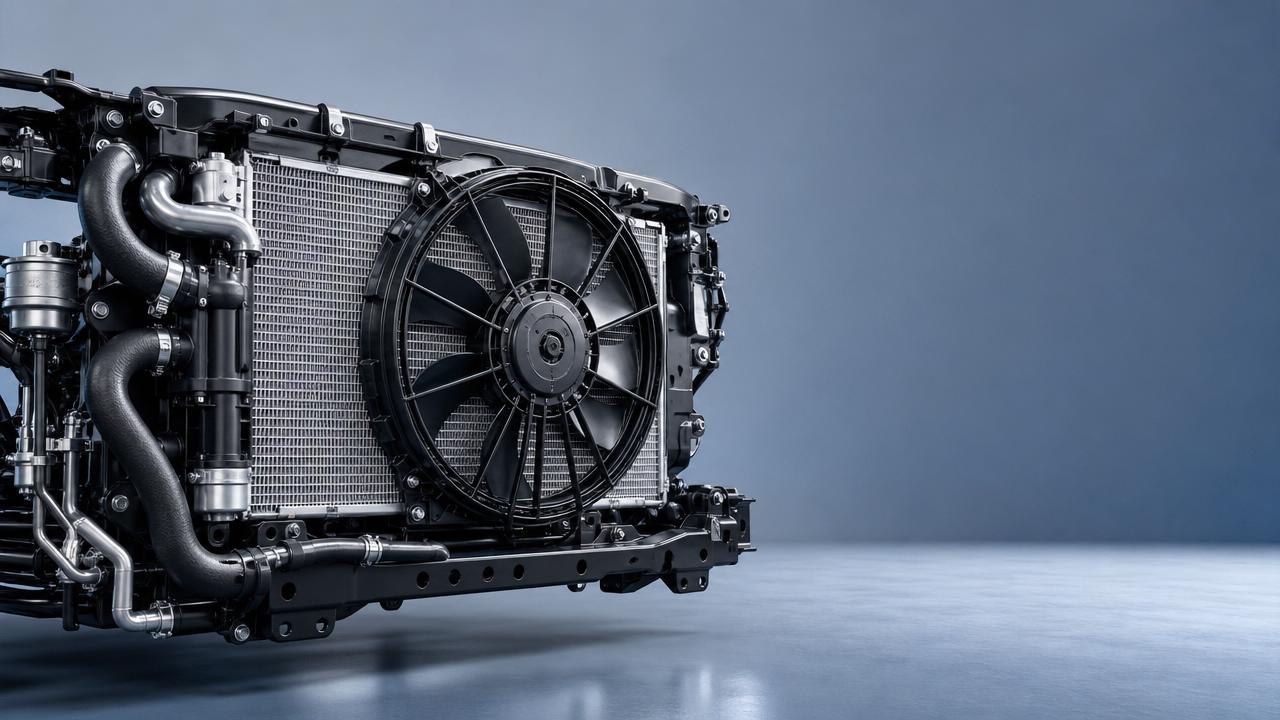
Why the Vehicle Radiator Matters More Than Many Drivers Realize
A vehicle radiator is easy to ignore until temperature warnings appear, coolant leaks start, or steam rises from the hood.
Yet this single part helps keep the engine within a controlled temperature range, which directly affects reliability, fuel use, and repair costs.
In practical terms, the radiator is not just a cooling accessory. It is a core heat-management component in the broader auto parts system.
That matters even more now because engines, heavy trucks, and new energy cooling modules all run under tighter thermal demands than before.
Companies with strong radiator manufacturing backgrounds, including Liaocheng Xinde Auto Parts Co., Ltd., reflect that industry shift.
Founded in 2018, the company focuses on water tank radiators, intercoolers, construction machinery radiators, and related cooling components for heavy-duty applications.
Its rapid growth and recognition as a high-tech and trustworthy enterprise also show how central thermal components have become across transport equipment markets.
What a Vehicle Radiator Actually Does
Simple explanations often say the radiator cools the engine, but the process is more specific than that.
The engine creates heat during combustion and friction. Coolant absorbs that heat as it moves through passages inside the engine block and cylinder head.
The heated coolant then flows into the vehicle radiator, where thin tubes and fins release heat into the passing air.
After cooling down, the fluid circulates back through the engine and repeats the cycle.
That loop sounds straightforward, but it depends on several connected parts working together.
- The radiator transfers heat from coolant to air.
- The water pump keeps coolant moving.
- The thermostat controls when coolant begins full circulation.
- The fan supports airflow when road speed is low.
- The cap and reservoir help manage pressure and expansion.
If one part weakens, the vehicle radiator may still look fine, but cooling performance can still drop.
Where It Sits and Why Its Position Makes Sense
In most passenger vehicles, the vehicle radiator sits at the front of the engine bay, behind the grille and ahead of the engine.
This location is not random. It gives the radiator direct access to outside airflow while the vehicle is moving.
When natural airflow is not enough, the cooling fan pulls or pushes air across the radiator core.
Heavy trucks, construction machinery, and some performance vehicles may use larger or more specialized layouts.
In those cases, packaging, engine size, load cycles, and cooling demand change the radiator design significantly.
This is one reason radiator selection cannot rely on appearance alone. Mounting points, core thickness, flow path, and OEM reference numbers all matter.
A quick view of radiator placement factors
Why Vehicle Radiators Fail in Real Use
Most radiator failures develop gradually. The warning signs are often small before they become expensive.
Corrosion is one of the most common causes. Old coolant loses its protective properties, allowing internal passages to deteriorate over time.
External blockage is another issue. Dirt, bugs, road debris, or bent fins reduce airflow and weaken heat dissipation.
Leaks can appear at seams, tanks, hose connections, or cracked plastic sections, especially after repeated heat cycles.
Internal clogging also matters. Scale, rust, and contaminated coolant reduce flow, which means hot coolant stays trapped longer than it should.
In heavier applications, vibration and sustained high load can speed up wear, especially when the cooling system is already under stress.
Common failure triggers
- Neglected coolant replacement intervals
- Low-quality or mixed coolant types
- Stone impact or road debris damage
- Overpressure from a faulty cap or overheating event
- Poor fitment after incorrect part substitution
In other words, a failed vehicle radiator is often the result of both part condition and system maintenance habits.
Signs That the Cooling System Needs Attention
Temperature gauge movement is the most obvious sign, but it should not be the only thing checked.
A sweet smell near the engine bay can point to coolant leakage. Puddles under the front section may confirm it.
Rust-colored coolant, frequent top-offs, or visible stains around the core are also meaningful clues.
When a heater performs poorly in cold weather, coolant circulation may already be compromised.
Repeated overheating after adding coolant usually means the problem goes beyond fluid level alone.
At that point, the radiator, thermostat, fan, pump, and hoses should be judged as one system rather than isolated parts.
How to Think About Replacement and Part Matching
Replacing a vehicle radiator should start with fitment accuracy, not price alone.
Dimensions, inlet and outlet positions, material structure, mounting design, and cooling capacity all affect long-term performance.
For heavier vehicles, OEM references are especially useful because small differences can create major installation or durability problems.
A practical example is XD93318 radiator for mack, which is associated with OEM 20013005, BT7155, and 437155P.
That kind of cross-reference helps narrow compatibility and reduces the risk of choosing a visually similar but unsuitable part.
It also reflects a wider market reality: cooling parts are becoming more application-specific as vehicle systems grow more demanding.
Useful checks before choosing a radiator
- Confirm OEM or interchange numbers
- Compare core size and tank configuration
- Check hose orientation and mounting points
- Review the vehicle’s operating load and environment
- Inspect surrounding parts that may have caused the original failure
Why the Auto Parts Background Matters
A radiator is not just a commodity part. Manufacturing quality influences sealing strength, weld consistency, heat transfer, and service life.
That is why supplier background matters, especially in sectors linked to heavy trucks, machinery, and high-output cooling systems.
Liaocheng Xinde Auto Parts Co., Ltd. has built its business around radiator and intercooler development, production, and global sales.
Its focus on heavy-duty and new energy radiator modules aligns with where thermal management is becoming more specialized.
For anyone comparing parts, that background helps frame a better question: not only whether a radiator fits, but whether it is built for the intended operating stress.
What to Do Next Before a Small Problem Becomes a Major Repair
The smartest approach is to treat the vehicle radiator as a monitored service item, not a part that only matters after overheating begins.
Check coolant condition, inspect for stains or fin damage, and pay attention to temperature behavior during traffic, towing, or long uphill driving.
If replacement becomes necessary, compare fitment details carefully and use OEM references wherever possible.
A well-matched vehicle radiator protects more than engine temperature. It protects uptime, fuel efficiency, and confidence on the road.
That makes early inspection, informed part selection, and a clearer understanding of cooling system basics worth the effort.