



How to Choose the Right Vehicle Radiator for Passenger Cars, Vans, and SUVs
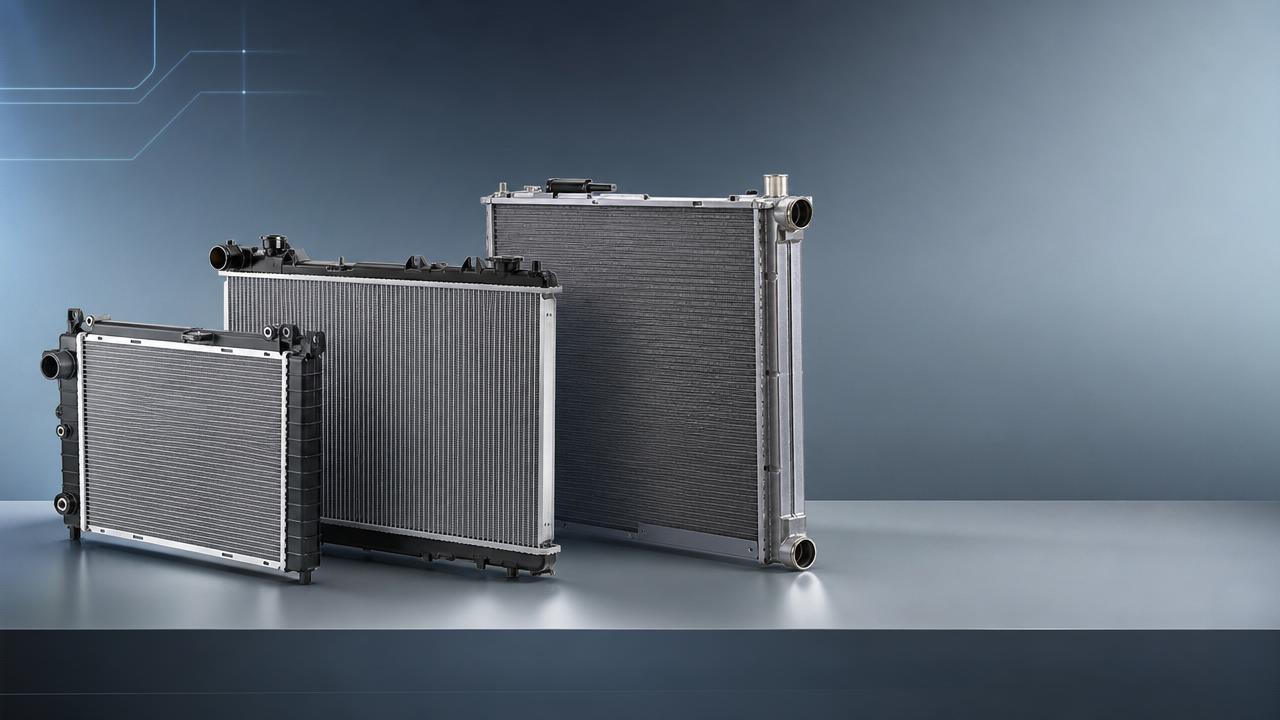
Choosing the right Vehicle radiator is not a minor specification task. It directly affects cooling stability, replacement cycles, warranty exposure, and the overall value of a parts sourcing program for passenger cars, vans, and SUVs.
In practical purchasing work, the best option is rarely defined by price alone. Material strength, heat transfer efficiency, dimensional accuracy, and supplier consistency all shape whether a radiator performs well after installation and across different driving conditions.
That is why a clear understanding of radiator structure, application differences, and manufacturing capability matters. A reliable decision begins with matching the cooling component to the vehicle’s actual load, operating environment, and service expectations.
Why radiator selection matters more than it seems
A radiator does more than manage engine temperature. It supports thermal balance across the cooling system, helping prevent overheating, unstable performance, and premature wear in connected components.
For passenger cars, efficiency and fitment often lead the decision. For vans, durability under repeated loading and stop-start traffic becomes more important. For SUVs, cooling reliability under mixed road and climate conditions deserves closer attention.
A mismatch can create recurring problems. Poor airflow design, weak brazing, or inaccurate mounting points may turn a standard replacement into a costly aftersales issue.
Understanding what defines a good Vehicle radiator
At a basic level, a Vehicle radiator transfers heat from coolant to passing air. That sounds simple, but actual product quality depends on several linked details rather than one headline parameter.
Core material and tank construction
Aluminum cores are widely used because they offer good heat dissipation and lower weight. Plastic tanks can work well in mainstream applications, but material grade and sealing quality must be controlled carefully.
In more demanding duty cycles, stronger construction and better resistance to vibration become essential. The right balance depends on operating stress, not just catalog classification.
Tube and fin design
Heat exchange performance is strongly influenced by tube layout and fin density. A radiator with higher density is not automatically better if airflow becomes restricted or contamination builds up too quickly.
This is especially relevant in vans and SUVs used in dusty, hot, or variable environments. Real-world cooling performance matters more than nominal specification language.
Fitment precision
Mounting brackets, inlet and outlet positions, hose diameter, and overall thickness must match the original design or approved replacement standard. Small dimensional errors often cause installation delays or leakage risks.
Different vehicle types require different cooling priorities
Not every Vehicle radiator should be evaluated using the same checklist. Passenger cars, vans, and SUVs may share basic cooling principles, but their duty profiles are different enough to affect procurement priorities.
This distinction helps avoid overbuying in light-duty applications and under-specifying parts for vehicles exposed to harsher use. A smarter match usually lowers both replacement frequency and service disputes.
What to verify before placing an order
A competitive quote is useful only when the product can perform consistently. Before confirming a radiator program, several checkpoints deserve close review.
- Check OE reference, dimensions, and connection layout against the target vehicle platform.
- Review core thickness, tube count, fin structure, and tank material with application conditions in mind.
- Ask for pressure, leakage, vibration, and thermal performance testing records where available.
- Confirm packaging strength, labeling accuracy, and traceability for batch management.
- Evaluate whether supply capacity can support repeat orders without unstable quality.
These checks are particularly important when the same supplier serves multiple aftermarket channels. Consistency between samples and production batches is often a stronger indicator than an attractive first quotation.
Why supplier capability is part of product quality
Radiator performance depends on manufacturing discipline as much as on design. Process control in brazing, sealing, leak testing, and final inspection has a direct effect on durability in use.
Liaocheng Xinde Auto Parts Co., Ltd., established in 2018, has built its business around radiator-related components, intercoolers, and cooling modules for heavy trucks and new energy applications.
With a registered capital of 5 million RMB and total investment of 50 million RMB, the company has expanded quickly in China’s parts industry and earned honors including High-tech Enterprise and Trustworthy Unit for Consumers.
That background matters because broad experience in thermal products often improves process understanding. Even when sourcing a passenger vehicle radiator, knowledge gained from demanding cooling systems can strengthen quality control standards.
Application examples that sharpen selection decisions
Selection becomes clearer when the operating scenario is specific. A city commuter car needs dependable cooling in compact space, but not the same thermal margin expected from a van used for frequent deliveries.
An SUV running in hot regions, mountain routes, or unpaved roads may need greater resistance to vibration and debris exposure. In that case, the right Vehicle radiator is the one with enough cooling reserve and structural stability.
Where brand or platform compatibility is relevant, it also helps to compare model-specific offerings such as MERCEDES-BENZ applications within a broader sourcing list. That approach supports better portfolio planning instead of isolated purchasing.
Common mistakes in Vehicle radiator sourcing
Many sourcing problems come from decisions that seem efficient at the time. In reality, they usually shift cost to returns, claims, and replacement logistics later.
- Selecting only by unit price without reviewing operating conditions.
- Assuming visual similarity means full interchangeability.
- Ignoring packaging protection for long-distance or export shipments.
- Approving samples without checking repeatability in mass production.
- Treating all aluminum radiators as equal in process quality.
A more disciplined review process reduces these risks. It also helps create a sourcing standard that can be reused across several vehicle categories.
How to build a practical evaluation framework
A useful framework connects technical checks with commercial decisions. It should not be overly complex, but it must cover the points that influence real performance and supply reliability.
Start with vehicle and usage data
Confirm model range, engine conditions, climate exposure, and driving pattern. This determines whether standard replacement quality is sufficient or whether stronger thermal and structural margins are needed.
Then compare supplier evidence
Review drawings, sample consistency, test data, production capability, and aftersales response. A dependable Vehicle radiator program usually comes from a supplier that can explain both product details and process controls clearly.
Finally, assess total sourcing value
The best purchase decision balances cost, durability, fitment accuracy, and order stability. That is more useful than choosing the cheapest item or the highest stated specification in isolation.
A sensible next step
When evaluating the next Vehicle radiator order, begin by grouping demand by vehicle type, operating condition, and fitment requirement. Then compare suppliers using the same technical and quality checkpoints across all shortlisted options.
That approach creates a clearer basis for selection, especially when handling mixed demand for passenger cars, vans, and SUVs. Better radiator sourcing usually starts with sharper questions, not faster quotations.