



Radiator Module Launches Highlighted at Commercial Vehicle Expo
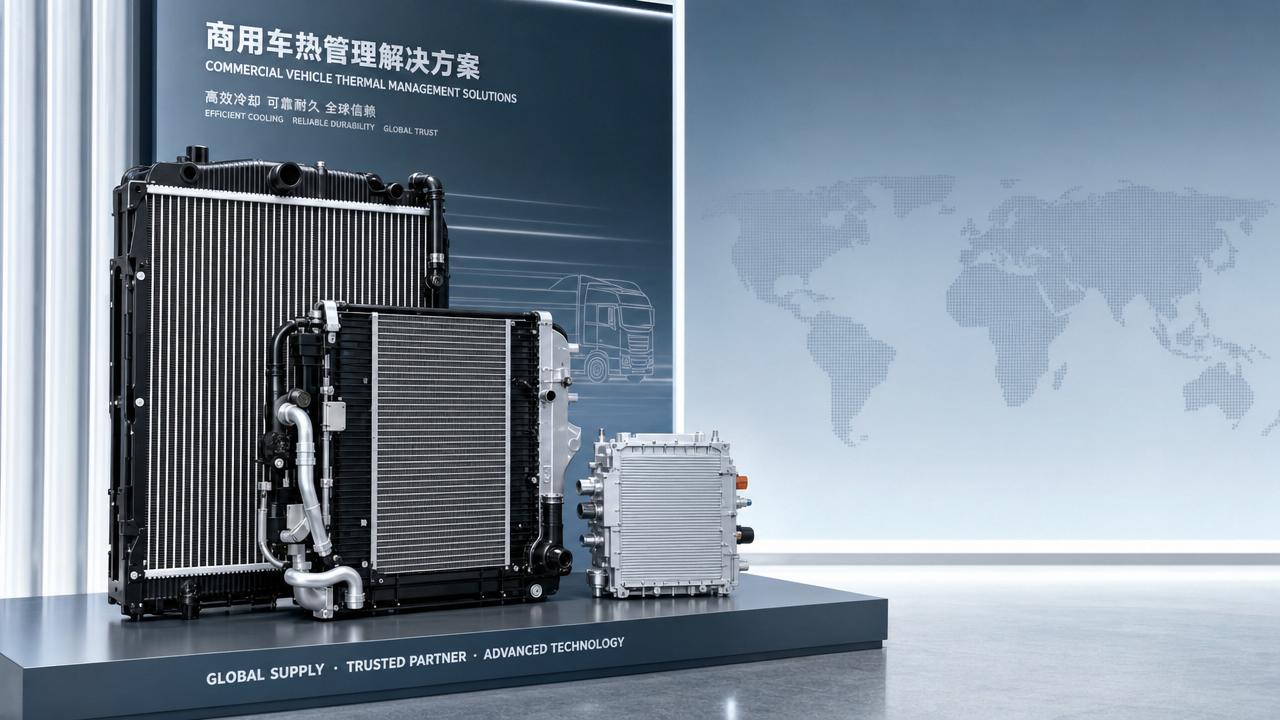
At the Commercial Vehicle Expo, Liaocheng Xinde Auto Parts Co., Ltd. showcased its latest radiator module solutions for heavy trucks, construction machinery, and new energy vehicles. For distributors, dealers, and agents seeking reliable supply partners, these new product launches reflect strong manufacturing capability, fast growth, and a clear focus on global market demand. Explore how Xinde’s radiator module innovations can support your product portfolio and business expansion.
Why the latest radiator module launches matter to distributors
For channel partners in the parts industry, a new radiator module is not just a product update. It affects sourcing stability, fitment coverage, aftermarket competitiveness, and customer retention across multiple vehicle categories.
At commercial vehicle exhibitions, buyers usually focus on three practical questions: can the supplier scale, can the product handle real operating conditions, and can the partnership support long-term margin growth. These questions are especially relevant in heavy truck and machinery cooling systems.
Liaocheng Xinde Auto Parts Co., Ltd., established in 2018, has built its business around the research, production, and global sales of water tank radiators, intercoolers, construction machinery radiators, related heavy truck components, and new energy radiator module solutions. With a registered capital of 5 million RMB and a total investment of 50 million RMB, the company has expanded rapidly and earned honors such as High-tech Enterprise, Civilized and Honest Enterprise, and Trustworthy Unit for Consumers.
- Broader product portfolios for heavy trucks, construction equipment, and new energy applications.
- Better chances to meet regional replacement demand with compatible cooling components.
- More room to build differentiated offerings instead of competing only on price.
- A clearer path to stable supply from a manufacturer focused on radiator module specialization.
What buyers are really evaluating at an expo
Dealers and agents rarely decide on appearance alone. They evaluate fin structure, core thickness, material consistency, tank sealing, fitment logic, packaging standards, and communication efficiency. In short, they are screening for reduced downstream risk.
How a radiator module supports heavy truck and machinery performance
A radiator module manages heat dissipation within the vehicle cooling system. In commercial vehicles, this directly influences engine operating temperature, component durability, uptime, and the ability to perform under heavy loads, long-distance operation, dust, vibration, and stop-start cycles.
For distributors, understanding application logic helps with model recommendation and customer communication. A radiator module is not a one-size-fits-all part. Cooling demands differ between highway tractors, mining vehicles, loaders, and new energy platforms.
Typical application scenarios
This comparison shows why channel partners should segment their radiator module strategy by use case. The better the application match, the lower the return rate and the higher the repeat order potential.
What procurement teams should check before adding a radiator module line
The biggest pain point for many distributors is not finding products. It is finding products that hold up after installation, arrive on time, and match the market’s mainstream vehicle models. That is where supplier assessment becomes critical.
When evaluating a radiator module supplier, procurement teams should combine technical screening with business process screening. Price alone is not enough, especially in markets where warranty claims and logistics delays can erase margin quickly.
Procurement checklist for dealers and agents
- Confirm model coverage and part number logic for your target market.
- Review material selection, core construction, and sealing reliability.
- Ask about sample support, lead time, packaging, and export handling.
- Check communication speed for drawings, dimensions, and fitment confirmation.
- Evaluate whether the supplier can support repeat orders and portfolio expansion.
Xinde’s exhibition presence matters because it signals a production-oriented approach rather than a simple trading model. For buyers building long-term aftermarket channels, that usually means stronger consistency in radiator module development and supply coordination.
Selection criteria table for radiator module sourcing
This framework helps purchasing teams compare radiator module suppliers on operational value, not just on unit price. It is often the fastest way to avoid hidden costs after the first shipment.
A practical example of fitment-driven product integration
In the commercial vehicle aftermarket, one strong listing can improve the credibility of an entire cooling product line. A useful example is RADIATOR FOR VOLVO XD029, which illustrates how clear model references and dimensional data support faster sales decisions.
For channel partners managing Volvo-related demand, visible identifiers such as model numbers 100314589, 21649619, 100316845, and 65624, together with the size 945*728*48, can improve catalog accuracy and simplify communication between buyer, warehouse, and end customer.
- Cross-reference numbers reduce confusion when customers use different sourcing habits.
- Dimensional transparency supports preliminary fitment checks before order confirmation.
- A specific listing strengthens confidence in the supplier’s catalog depth and market focus.
For distributors, this is more than a single item. It represents a workable method for building a radiator module portfolio around searchable references, application clarity, and easier aftermarket conversion.
How to compare radiator module suppliers beyond price
Low purchase cost may look attractive at the quotation stage, but downstream expenses can quickly outweigh the initial saving. In cooling parts, the common hidden costs are return freight, installation complaints, replacement labor exposure, and lost customer confidence.
A more durable radiator module sourcing strategy compares total channel value. That includes technical support, fitment confidence, replenishment speed, and the supplier’s ability to support related product categories over time.
Cost and risk comparison
This is where Xinde’s specialization becomes relevant. A manufacturer focused on radiators, intercoolers, construction machinery cooling products, and new energy radiator module solutions can usually provide more coherent support than a non-specialized mixed supplier.
What standards, documentation, and process details should buyers ask about
Commercial vehicle parts buyers increasingly need documentation discipline, especially when selling into markets with importer scrutiny, fleet maintenance requirements, or formal distributor approval procedures. Even when a project does not demand a named certification, clear process control still matters.
For a radiator module program, buyers should ask about drawings, dimensional confirmation, traceable product references, packaging details, and communication steps for sample validation. These elements help reduce misunderstandings before mass ordering.
Recommended documentation discussion points
- Reference numbers and applicable vehicle or equipment range.
- Key dimensions for installation matching and warehouse cataloging.
- Packing method suited to domestic transport or export shipment.
- Sample order process before larger procurement.
- Lead time communication for routine and urgent replenishment.
These details are especially important for agents representing multiple brands. A structured radiator module supplier can save time across sales, technical support, and after-sales coordination.
Common mistakes when choosing a radiator module supplier
Many aftermarket businesses lose profit not because demand is weak, but because their sourcing process ignores a few predictable risk points. These mistakes are common in fast-moving markets where purchasing teams are under pressure to fill catalogs quickly.
Frequent sourcing mistakes
- Assuming all radiator module products for similar platforms are interchangeable without dimensional review.
- Selecting only by price and ignoring the cost of returns or customer dissatisfaction.
- Ordering in volume before confirming package protection and shipping suitability.
- Overlooking supplier responsiveness during the sample stage, which often predicts future service quality.
A supplier with clear category focus and fast technical communication can reduce these issues significantly. That is one reason trade show launches are useful: they let buyers evaluate not only products, but also the organization behind them.
FAQ: questions distributors ask about radiator module sourcing
How do I choose the right radiator module for my market?
Start with your installed vehicle base, then map the most frequent replacement references, dimensions, and application categories. For heavy truck channels, fitment accuracy and repeat demand usually matter more than expanding too broadly too early.
What should I prioritize if my customers need fast delivery?
Prioritize suppliers that can confirm part numbers quickly, communicate realistic lead times, and support sample validation before large orders. A fast answer with poor fitment creates more delay than a slightly longer but controlled procurement process.
Is a radiator module only relevant for traditional heavy vehicles?
No. Thermal management needs are also important in new energy applications. The design logic changes, but the channel opportunity remains strong because fleets and equipment operators still need reliable cooling-related components and replacement support.
What are the most important signs of a reliable supplier?
Look for specialization, clear product references, detailed dimensional communication, stable response speed, and evidence of ongoing category development. A supplier that understands radiator module applications across trucks, machinery, and new energy platforms is usually better positioned for long-term cooperation.
Why choose us for radiator module cooperation
For dealers, distributors, and agents, working with Liaocheng Xinde Auto Parts Co., Ltd. means engaging a manufacturer focused on the cooling parts segment rather than a general catalog trader. Since 2018, the company has concentrated on radiators, intercoolers, construction machinery radiators, related heavy truck components, and new energy radiator module development for global markets.
This specialization helps buyers make faster and more informed decisions. If you are reviewing new supply options after the Commercial Vehicle Expo, Xinde can support discussions around parameter confirmation, application matching, lead time planning, sample arrangements, packaging expectations, and portfolio expansion strategy.
- Ask for part number and dimensional confirmation for your target models.
- Discuss radiator module selection for heavy trucks, construction machinery, or new energy applications.
- Request information on delivery cycle expectations and repeat-order planning.
- Explore custom supply coordination for your regional market requirements.
- Review sample support and quotation communication before scaling procurement.
If your goal is to build a stronger cooling parts portfolio with a dependable radiator module partner, now is the right time to start a focused sourcing conversation based on fitment, delivery, and market opportunity.