



Radiator Market Demand Signals from 2026 Exhibitions
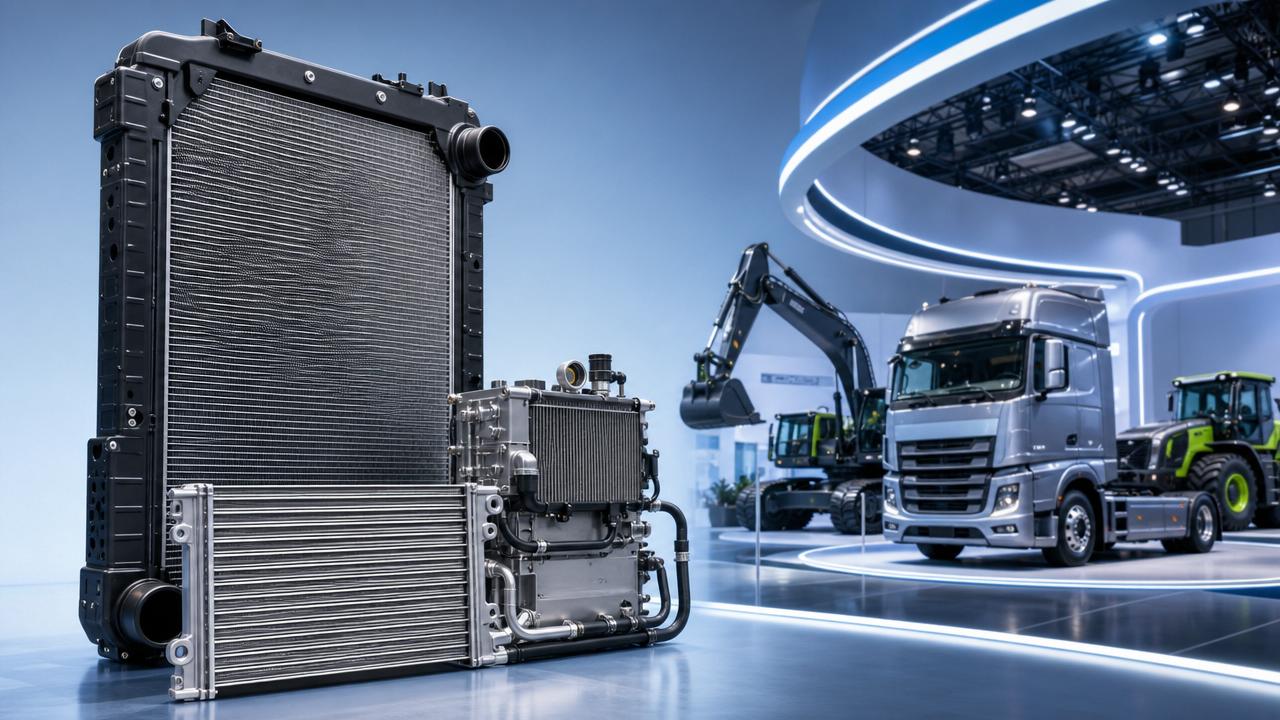
As global exhibitions in 2026 begin to reveal purchasing trends for heavy trucks, construction machinery, and new energy vehicles, the Radiator market is showing clear signals of stronger replacement demand, higher efficiency requirements, and broader distributor opportunities. For dealers, distributors, and agents seeking reliable supply partners, understanding these demand shifts is essential. Liaocheng Xinde Auto Parts Co., Ltd. brings proven manufacturing capability and global sales experience to help partners capture emerging market growth.
What 2026 Exhibitions Are Telling Radiator Buyers
International trade fairs are not only product showcases. For parts distributors, they are early warning systems for demand, vehicle platform changes, and aftersales priorities.
In the Radiator category, the strongest signals come from three directions: aging heavy truck fleets, higher engine thermal loads, and new energy cooling modules.
- Heavy truck operators are extending vehicle life cycles, which increases replacement demand for water tank Radiator assemblies and related cooling components.
- Construction machinery buyers are asking for stronger durability because equipment often works in dust, vibration, high load, and long-idle conditions.
- New energy vehicle platforms require more integrated cooling solutions, including modules for batteries, motors, electronic controls, and auxiliary systems.
- Distributors are paying closer attention to supply continuity, model coverage, packaging protection, and aftersales communication speed.
For agents, the message is clear: Radiator procurement should not be based only on unit price. It should consider vehicle coverage, installation compatibility, failure risk, and repeat order potential.
Why replacement demand is becoming more predictable
Cooling system failure often creates immediate downtime. When a truck or excavator cannot maintain temperature control, operators usually replace parts quickly rather than delay repair.
This gives Radiator distributors a practical advantage. With the right inventory plan, they can serve urgent maintenance, planned fleet repair, and seasonal demand peaks.
Which Application Scenarios Create Stronger Distributor Opportunities?
Different vehicle groups create different Radiator purchasing logic. Dealers should segment demand instead of treating all cooling parts as one general category.
The table below summarizes common application scenarios and the procurement concerns that usually appear during exhibition discussions and distributor negotiations.
This segmentation helps distributors avoid overstocking slow-moving models while keeping fast-moving Radiator references available for urgent buyers.
Where heavy truck channels should focus first
Heavy truck Radiator demand is often linked to route intensity, climate, maintenance habits, and fleet age. Dealers should identify models with repeat repair history.
For Volvo-related replacement inquiries, distributors can also review specific options such as radiator for volvo xd 031 when matching vehicle applications and customer requirements.
How Should Dealers Evaluate Radiator Quality Before Ordering?
A Radiator may look simple from the outside, but procurement risk often hides in details. Small differences in material, brazing, welding, and fitment can affect returns.
Dealers need an evaluation framework that connects technical inspection with commercial consequences. The goal is not only to buy, but to reduce complaints.
- Confirm the vehicle model, engine type, installation points, inlet and outlet position, and core dimensions before final quotation.
- Check whether the cooling core structure is suitable for the working environment, especially for trucks and equipment operating under heavy load.
- Review packaging methods, because transportation damage can create hidden leakage risk before the Radiator reaches the local warehouse.
- Request clear communication on sample support, production schedule, and order documentation for repeat purchasing.
A practical procurement checklist should compare more than price. It should include fitment accuracy, pressure resistance concerns, surface protection, and supplier response capability.
For distributors managing multiple markets, this table can become an internal sourcing guide. It supports consistent Radiator purchasing decisions across sales teams.
Cost, Inventory, and Replacement Strategy for Radiator Distributors
Many agents face a difficult balance: customers want competitive prices, but poor cooling parts can increase warranty pressure and damage channel reputation.
A better strategy is to classify Radiator inventory by turnover speed and risk level. Fast-moving models deserve stable stock, while specialized models need confirmed orders.
A practical inventory logic for aftermarket channels
- Keep common heavy truck Radiator items in planned safety stock when local fleets use those platforms frequently.
- Use sample orders for new or uncertain models before committing to large-volume purchasing.
- Separate construction machinery cooling parts from truck parts because damage patterns and installation urgency are often different.
- Track return reasons carefully, including leakage, fitment mismatch, transport damage, and customer installation errors.
Cost control should consider total transaction efficiency. A slightly cheaper part can become expensive if it increases repacking, return handling, or lost customer trust.
Distributors should also avoid relying on one vague specification. Radiator procurement works best when drawings, samples, pictures, and vehicle references are reviewed together.
The most resilient distributors combine these strategies. They keep common Radiator references ready, while using technical confirmation for models with higher mismatch risk.
Compliance, Technical Communication, and Supplier Selection
Radiator purchasing is connected to safety, vehicle uptime, and customer confidence. Compliance discussions should be practical, not decorative.
Dealers can ask about general quality control procedures, pressure-related inspection practices, material consistency, packaging inspection, and traceable order communication.
What a reliable supplier should help confirm
- Whether the Radiator reference matches the intended vehicle platform and installation environment.
- Whether the product is intended for heavy truck, construction machinery, or new energy cooling module use.
- Whether packaging can protect tanks, fins, and mounting areas during export logistics.
- Whether the supplier can communicate clearly on samples, lead time, order quantity, and repeat order arrangements.
Liaocheng Xinde Auto Parts Co., Ltd. was established in 2018 with a registered capital of 5 million RMB and total investment of 50 million RMB.
The company specializes in research, production, and global sales of water tank radiators, intercoolers, construction machinery radiators, heavy truck components, and new energy radiator modules.
Its rapid development has been recognized through provincial and municipal honors, including High-tech Enterprise, Civilized and Honest Enterprise, and Trustworthy Unit for Consumers.
For distributors, these strengths matter because Radiator sourcing depends on manufacturing stability, product range, and communication throughout the order cycle.
FAQ: Radiator Procurement Questions from Dealers and Agents
How should a distributor choose Radiator models for first orders?
Start with local fleet data. Identify truck brands, machinery types, engine applications, and common repair complaints in your market.
For uncertain applications, request sample support or detailed confirmation before bulk purchase. This reduces inventory risk and improves first-order accuracy.
What should agents check before confirming a Radiator quotation?
Agents should confirm part pictures, core dimensions, hose positions, mounting points, packaging requirements, estimated lead time, and the intended working environment.
If the product is for construction machinery or heavy-load trucks, the discussion should include vibration, dust exposure, and cooling performance expectations.
Are new energy radiator modules different from traditional truck radiators?
Yes. New energy cooling systems may serve batteries, electric motors, controllers, and auxiliary loops rather than only engine heat exchange.
This means distributors need stronger technical communication and clearer application confirmation before placing module-related orders.
What are common mistakes in Radiator procurement?
Common mistakes include buying only by appearance, ignoring packaging, skipping sample checks, and failing to separate truck demand from machinery demand.
Another frequent issue is incomplete vehicle information. A small difference in inlet position or mounting structure can create installation problems.
Why Choose Us for Radiator Supply and Distributor Cooperation?
The 2026 exhibition cycle shows that Radiator demand is becoming more specialized. Distributors need suppliers who understand both product engineering and channel pressure.
Liaocheng Xinde Auto Parts Co., Ltd. supports dealers, distributors, and agents with manufacturing experience across heavy truck radiators, intercoolers, construction machinery radiators, and new energy modules.
- Consult us for parameter confirmation, including model reference, installation dimensions, inlet and outlet layout, and application environment.
- Discuss product selection for heavy trucks, construction machinery, aftermarket repair channels, and new energy cooling applications.
- Ask about sample support, packaging details, order planning, quotation communication, and estimated delivery cycle for your market.
- Share your certification or documentation requirements so our team can review practical support options before order confirmation.
If your business is preparing for 2026 sourcing plans, now is the right time to review Radiator inventory, identify fast-moving models, and build a reliable supply route.
Contact Liaocheng Xinde Auto Parts Co., Ltd. to discuss selection, samples, delivery planning, customized requirements, and quotation details for your distributor network.