



Radiator Core Selection for High-Load Engines
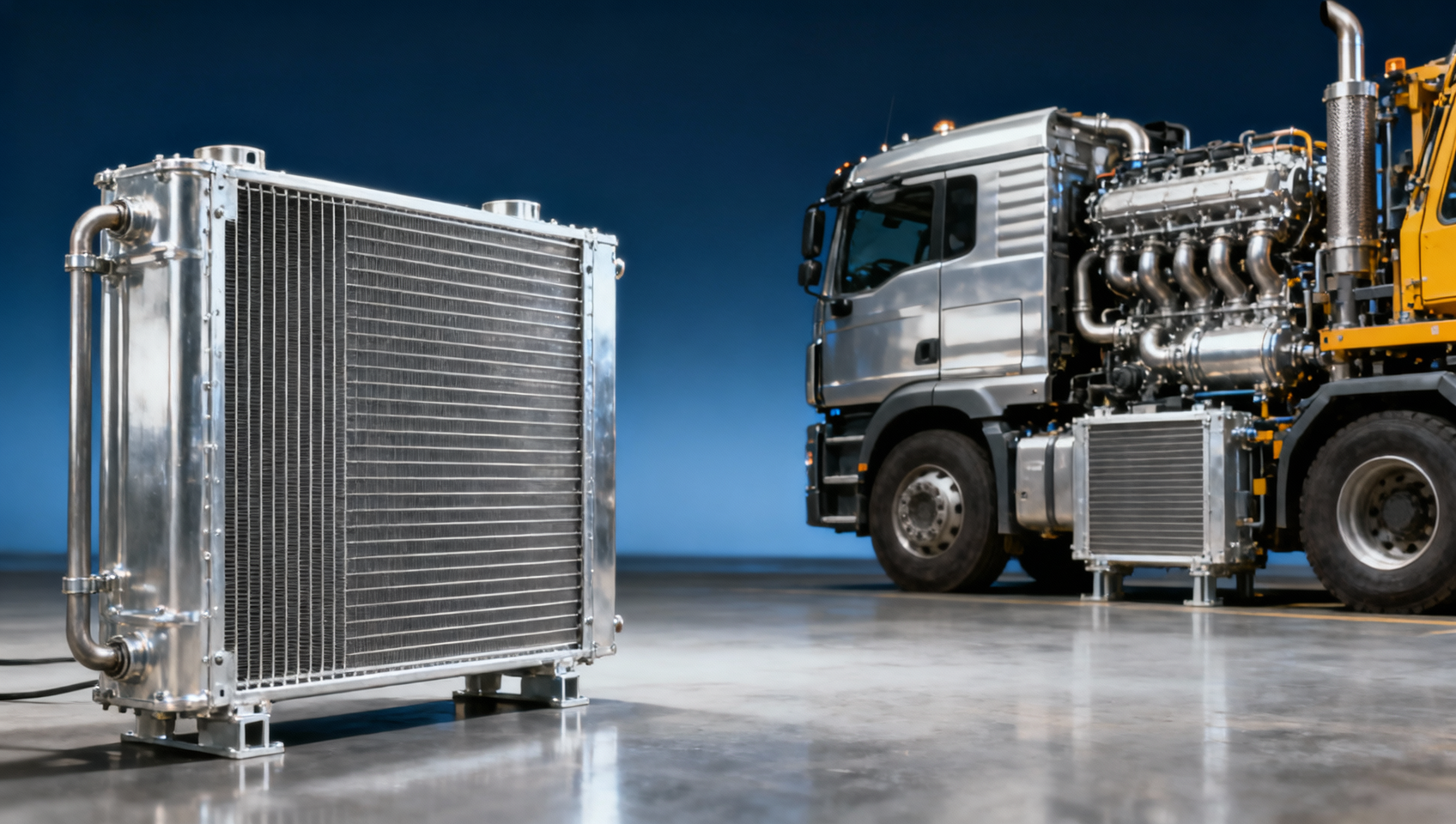
Selecting the right radiator core is critical when high-load engines must deliver stable performance under demanding duty cycles, tight project schedules, and harsh operating environments. For project managers and engineering leads, the decision affects cooling efficiency, equipment uptime, maintenance costs, and long-term reliability. This guide explains the key factors to evaluate when choosing a radiator core for heavy trucks, construction machinery, and new energy radiator modules, helping you reduce risk and make procurement decisions with greater technical confidence.
Why radiator core decisions matter in high-load engine projects
A high-load engine does not fail only because of poor combustion or weak lubrication. Cooling system mismatch is often the hidden cause behind derating, shutdowns, and repeated maintenance.
The radiator core is the heat exchange center of the cooling package. Its tube structure, fin density, material selection, and airflow resistance directly influence heat rejection.
For engineering project leaders, radiator core selection is not a single component purchase. It is a project risk decision linked to delivery, field performance, and warranty exposure.
Typical pressure points for project managers
- The equipment must operate under high ambient temperatures, heavy load cycles, dust exposure, and limited maintenance windows.
- Procurement needs a reliable radiator core specification without delaying the project schedule or increasing redesign costs.
- The cooling module must match engine output, fan capacity, installation space, and vibration conditions.
- Replacement parts should be stable in supply, consistent in quality, and practical for future maintenance planning.
When these factors are ignored, a cheaper radiator core can become expensive through downtime, emergency replacement, fuel inefficiency, or shortened component life.
What should you check before selecting a radiator core?
Before comparing prices, teams should define the operating profile. A radiator core used in a highway truck faces different risks from one used in mining equipment.
The following table helps organize early project information. It gives procurement and engineering teams a shared language before supplier discussion begins.
This table shows why a radiator core cannot be selected by dimension alone. The same outer size may perform differently under real load conditions.
A practical project specification should include thermal demand, space restrictions, material preference, connection position, pressure range, and expected service environment.
Which radiator core structure fits heavy trucks and construction machinery?
Radiator core structures vary by application. Heavy trucks usually need stable performance across long operating hours, while construction machinery often needs impact resistance.
A project manager should compare not only cooling capacity, but also repairability, weight, corrosion resistance, and supply continuity across fleets.
Common radiator core options
The comparison below outlines typical selection logic. Actual choice should still be verified against engine data and installation requirements.
The best radiator core is the one that balances thermal efficiency with operating reality. In dusty jobsites, easier cleaning may matter as much as peak heat transfer.
For heavy truck projects, product compatibility is also important. For example, a fleet working with MAN-related platforms may evaluate radiator for man options alongside core structure, mounting fit, and delivery schedule.
How to evaluate radiator core performance beyond the quotation
A quotation usually lists dimensions, material, and unit price. These are necessary, but they do not fully explain whether the radiator core will perform reliably.
Engineering leads should request technical confirmation based on working condition. This reduces the chance of receiving a part that fits physically but underperforms thermally.
Performance checkpoints to include in supplier communication
- Confirm whether the radiator core design supports the required coolant flow without creating excessive pressure drop.
- Review fin density according to dust level, because overly dense fins can clog faster in construction sites.
- Check tube arrangement and wall thickness against vibration exposure and expected service life.
- Confirm packaging protection, because fin deformation during transport can reduce effective heat exchange area.
- Discuss inspection methods such as leakage testing, visual checks, and dimensional verification before shipment.
These checkpoints help transform procurement from price comparison into controlled risk management. They also make supplier evaluation more objective.
Air side performance
Air side performance depends on fin geometry, airflow path, and contamination resistance. A radiator core with high fin density may cool well in clean conditions.
However, in quarry, port, agricultural, or road construction environments, dust loading can reduce airflow quickly. Practical cleaning access should be considered early.
Coolant side stability
Coolant side performance depends on tube design, internal flow distribution, corrosion control, and sealing quality. Uneven coolant distribution creates hot zones.
For long project cycles, stable coolant compatibility is essential. Teams should define maintenance requirements and avoid mixing incompatible coolant types.
Procurement guide: turning technical needs into a clear purchase decision
Procurement teams often face incomplete drawings, urgent delivery, and pressure to reduce cost. A structured radiator core selection process avoids rushed decisions.
The goal is to lock the technical baseline first, then compare suppliers by quality control, manufacturing capability, communication speed, and after-sales support.
A practical selection workflow
- Collect existing radiator drawings, photos, sample dimensions, installation constraints, and engine operating information.
- Define the project environment, including ambient temperature, altitude, dust level, vibration intensity, and daily running hours.
- Confirm whether the radiator core is for original assembly, replacement, fleet maintenance, or customized module development.
- Request supplier feedback on material, core thickness, tube layout, fin design, tank interface, and expected production lead time.
- Compare technical suitability with total cost, including freight, packaging, potential downtime, and spare part availability.
The table below can be used as an internal scoring framework when multiple radiator core suppliers submit proposals.
This approach supports a defensible decision. It also helps project managers explain why the lowest unit price may not be the lowest project cost.
Cost, alternatives, and lifecycle trade-offs
Radiator core cost should be evaluated across the full operating cycle. A component that saves a small amount upfront may increase fleet downtime later.
For high-load engines, lifecycle cost includes replacement labor, coolant loss, transport delay, equipment idle time, and the management effort required to handle failures.
Where hidden costs usually appear
- Frequent overheating alarms that force operators to reduce load or stop work during peak production hours.
- Poor packaging that causes bent fins, damaged mounting points, or leakage before installation.
- Incorrect core specification that requires onsite modification, additional brackets, or repeated supplier communication.
- Limited spare availability that turns a normal replacement into a project delay.
When evaluating alternatives, ask whether a radiator core can maintain stable heat exchange under actual load rather than ideal workshop conditions.
If a project involves mixed equipment fleets, standardizing core specifications where possible can simplify inventory and reduce procurement complexity.
Standards, inspection, and compliance considerations
Radiator core procurement should include clear inspection expectations. Common checks may involve leakage testing, pressure verification, dimensional inspection, and appearance review.
Where applicable, project teams may reference general automotive quality management practices, material traceability expectations, and customer-specific inspection requirements.
Inspection items worth specifying
- Leakage inspection method and acceptance criteria should be agreed before mass shipment begins.
- Core dimensions, mounting interface, inlet and outlet positions should match drawings or approved samples.
- Fin condition should be checked because severe deformation directly reduces the effective heat transfer area.
- Packaging requirements should reflect export transportation distance, handling frequency, and storage conditions.
These requirements do not replace formal project specifications, but they help reduce ambiguity. Clear acceptance criteria protect both buyer and manufacturer.
Common mistakes when buying a radiator core
Many cooling problems start before the equipment is delivered. The mistake is usually not ignorance, but incomplete communication between engineering, procurement, and supplier teams.
Mistake 1: selecting only by outer dimensions
Two cores can share similar length, height, and thickness while having different tube structures, fin density, airflow resistance, and cooling performance.
Mistake 2: ignoring working environment
A radiator core for road transport may not suit construction machinery exposed to mud, gravel, vibration, and frequent low-speed high-load operation.
Mistake 3: treating delivery as separate from technical risk
Fast delivery is valuable only when the supplied radiator core matches the confirmed specification. Otherwise, urgent shipment becomes urgent rework.
FAQ for project managers and engineering leads
How do I know whether a radiator core has enough cooling capacity?
Start with engine heat load, duty cycle, coolant flow, ambient temperature, and airflow data. If data is incomplete, provide equipment photos, dimensions, and operating conditions for supplier review.
Is a thicker radiator core always better?
Not always. A thicker core can increase heat exchange area, but it may also raise airflow resistance. Fan capacity and installation space must be evaluated together.
What should I prioritize for construction machinery?
Prioritize vibration resistance, cleaning accessibility, reinforced structure, and fin spacing suitable for dusty environments. Peak cooling capacity alone is not enough.
How early should radiator core selection begin in a project?
Selection should begin before finalizing cooling module layout. Early confirmation helps avoid conflicts with fan position, mounting brackets, piping, and maintenance access.
Why choose Liaocheng Xinde Auto Parts for radiator core support?
Liaocheng Xinde Auto Parts Co., Ltd. was established in 2018 with a registered capital of 5 million RMB and total investment of 50 million RMB.
The company focuses on research, production, and global sales of water tank radiators, intercoolers, construction machinery radiators, and related heavy-duty cooling components.
Its product scope also covers heavy truck applications and new energy radiator modules, giving project teams broader support when cooling requirements involve multiple platforms.
The company has received provincial and municipal honors such as High-tech Enterprise, Civilized and Honest Enterprise, and Trustworthy Unit for Consumers.
What you can discuss with our team
- Radiator core parameter confirmation based on drawings, samples, photos, or operating condition descriptions.
- Product selection for heavy trucks, construction machinery radiators, intercoolers, and new energy cooling modules.
- Custom radiator core structure discussion for special installation space, heat load, or environmental requirements.
- Delivery schedule communication for project procurement, fleet maintenance, trial orders, and batch supply planning.
- Sample support, quotation comparison, packaging requirements, and inspection expectations before order confirmation.
If your project needs a dependable radiator core for high-load engines, contact Liaocheng Xinde Auto Parts with your application details. Our team can help review specifications, compare options, and support a more confident procurement decision.