



Radiator Core Options That Matter Most When Comparing Long-Term Value
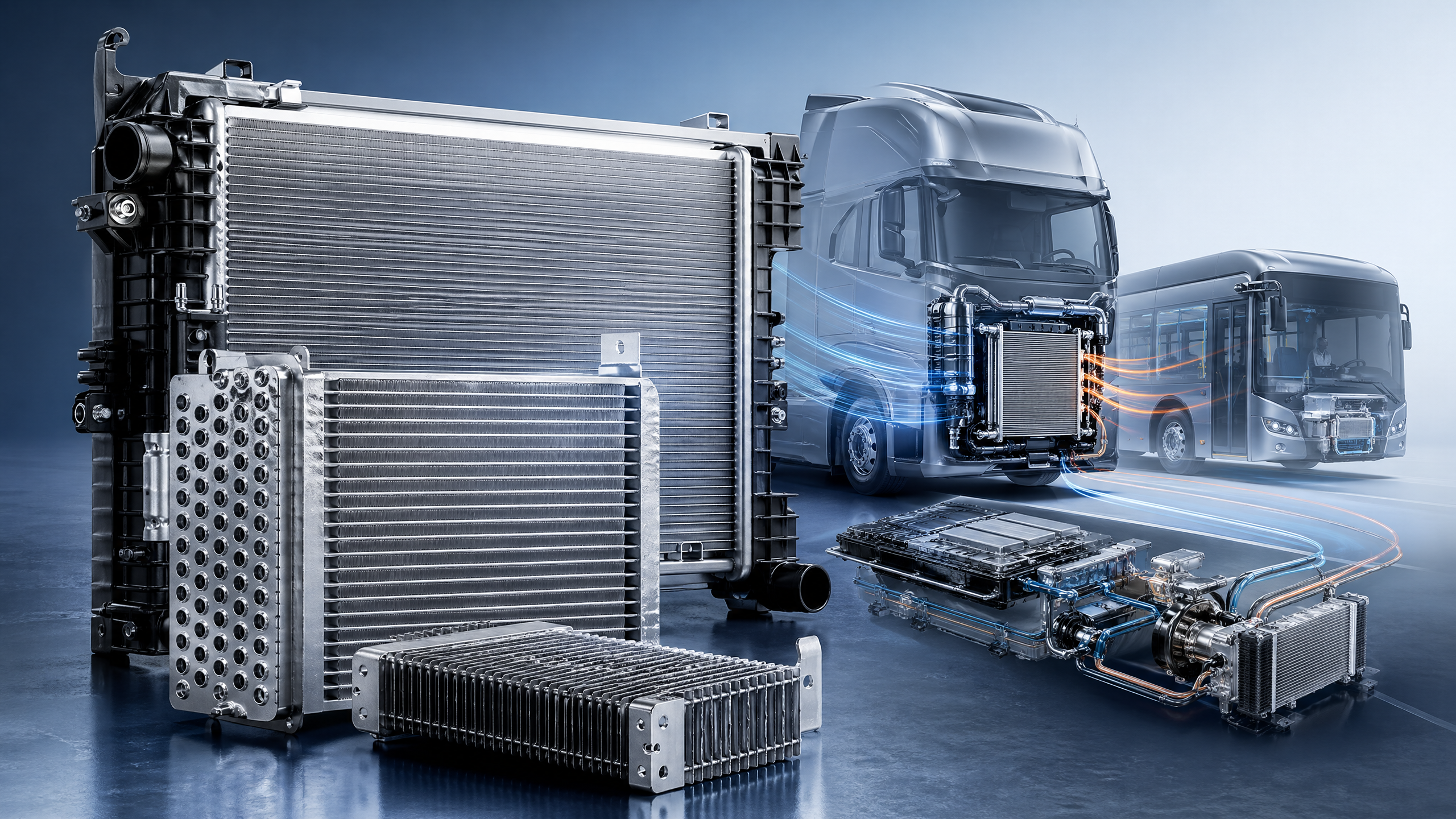
When evaluating cooling system investments, the radiator core is often the deciding factor in long-term performance, maintenance cost, and equipment uptime. For business decision-makers comparing heavy-duty and new energy applications, understanding which radiator core options deliver lasting value can reduce risk and improve fleet efficiency. This guide highlights the factors that matter most before making a purchasing decision.
What Buyers Really Need to Know Before Comparing a Radiator Core
For most business buyers, the real question is not simply which radiator core costs less upfront. The better question is which radiator core delivers the lowest total cost over years of service. In commercial vehicles, buses, construction equipment, and heavy trucks, cooling system performance directly affects uptime, fuel or energy efficiency, maintenance scheduling, and component life. A poor selection can lead to overheating, repeated repairs, and costly interruptions in service.
The core search intent behind comparing radiator core options is practical and financial. Decision-makers want to know which design, material, and manufacturing approach will hold up under real operating conditions. They are looking for evidence that one option will reduce long-term risk, support stable thermal performance, and remain serviceable across demanding duty cycles. In other words, they are not buying a part alone; they are investing in operational reliability.
This is why the most useful comparison criteria are not generic technical specifications in isolation. What matters is how core construction affects heat transfer, resistance to vibration, corrosion tolerance, cleaning efficiency, and compatibility with modern diesel and new energy platforms. Buyers who focus on these areas usually make better long-term decisions than those who compare only dimensions and unit price.
Why Long-Term Value Depends More on Core Design Than on Initial Price
A radiator core is the thermal heart of the cooling assembly. It governs how efficiently heat moves from coolant to ambient air, how well the radiator withstands pressure and vibration, and how quickly performance degrades under contamination or load. Two radiators may look similar externally, yet their long-term value can differ significantly because of internal core design choices.
Lower-cost cores often reduce material thickness, fin quality, or brazing consistency to hit a price target. These compromises may not appear during acceptance inspection, but they can shorten the service life of the radiator under demanding operating conditions. For fleet operators, that means more frequent maintenance intervention, a greater likelihood of leakage or overheating, and a higher probability of unplanned downtime at the worst possible time.
By contrast, a well-designed radiator core can create measurable business advantages. Stable thermal performance protects engines, batteries, inverters, and auxiliary systems from heat stress. Better cooling efficiency can reduce the strain on fans and related components. A more durable structure lowers replacement frequency and helps keep maintenance planning predictable. Over a full lifecycle, these benefits often outweigh a modest difference in purchase price.
Which Radiator Core Material Delivers Better Lifecycle Performance?
In most modern commercial and industrial applications, the main material discussion centers on aluminum versus more traditional metal configurations. Premium aluminum radiator core solutions have become the preferred choice in many heavy-duty and new energy systems because they offer a strong balance of heat transfer efficiency, weight reduction, corrosion resistance, and manufacturing flexibility.
For enterprise buyers, lighter weight is not just a technical detail. In transport applications, lower system weight can support better fuel economy or energy efficiency. In electric and hybrid applications, weight control is especially important because thermal management and overall vehicle efficiency are closely linked. Aluminum also enables compact designs that can support increasingly dense packaging requirements in modern platforms.
That said, not all aluminum cores provide equal value. The grade of aluminum, wall thickness, fin geometry, and brazing quality all affect lifecycle performance. A premium-grade aluminum core manufactured with consistent process control tends to provide stronger thermal stability and better resistance to fatigue over time. This distinction is critical for buyers evaluating options that may appear similar in catalogs but perform very differently in service.
How Core Construction Affects Uptime, Service Life, and Maintenance Cost
When comparing a radiator core, decision-makers should pay close attention to fin and tube design. The spacing, density, and structure of fins influence how effectively heat is transferred and how easily the core can resist clogging in dusty or high-debris environments. Tube dimensions and internal flow design also matter because they affect coolant distribution, pressure tolerance, and overall heat rejection capability.
Another high-value factor is brazing quality. Advanced brazing technology helps create stronger joints, more uniform thermal performance, and improved structural reliability under vibration and thermal cycling. This is especially important in heavy trucks, construction machinery, and public transportation fleets, where repeated stop-start operation, rough roads, and variable load conditions place constant stress on the cooling system.
Maintenance cost is heavily influenced by how the core handles contamination and cleaning. In real-world use, radiator cores are exposed to dust, road debris, moisture, salts, and chemical residues. A core that loses efficiency quickly due to blocked fins or corrosion can drive up service frequency and labor costs. Buyers should evaluate not only peak cooling capacity but also how well the core retains performance after months or years of operation in the intended environment.
What Business Decision-Makers Should Compare Beyond the Datasheet
Technical datasheets are useful, but they rarely tell the whole story. Enterprise buyers should ask suppliers about field performance, manufacturing consistency, quality traceability, and testing standards. A radiator core that performs well in laboratory conditions but lacks production stability can create quality variation from batch to batch, which becomes a serious issue for procurement teams managing multiple units or fleet-wide replacement programs.
It is also important to assess the supplier’s capability in research, production, and global delivery support. For companies serving heavy truck, construction machinery, and new energy sectors, application-specific engineering matters. Cooling demands differ widely between long-haul commercial transport, municipal buses, off-road equipment, and electrified systems. The right supplier should be able to recommend core options based on actual thermal loads, environmental exposure, and service expectations rather than offering a one-size-fits-all solution.
Buyers should also review warranty logic in context. A longer warranty can be a positive sign, but the real value lies in low failure frequency, clear claims procedures, and confidence in manufacturing discipline. A supplier with a strong reputation for technical development and production reliability can often reduce procurement risk more effectively than a low-cost seller with limited after-sales accountability.
How Application Type Changes the Best Radiator Core Choice
The ideal radiator core is always application-dependent. Heavy trucks operating on long-distance routes often require strong durability under continuous thermal load and vibration. Construction machinery may prioritize resistance to dust blockage, impact, and harsh cleaning cycles. Public transportation fleets often need stable cooling under stop-and-go conditions, where idle periods, acceleration, and passenger load changes create fluctuating heat rejection demands.
New energy applications add another layer of complexity. Thermal management in electric or hybrid systems can involve batteries, motors, inverters, and auxiliary circuits, each with distinct cooling requirements. In these cases, the radiator core must support precise and stable thermal control, not just high peak cooling output. Consistency and integration become just as important as raw performance.
This is where tailored product selection can create real value. For example, in public transportation, a solution such as Radiator for Ankai reflects how premium-grade aluminum and advanced brazing technology can support optimal thermal management for both traditional diesel and new energy electric buses. For operators, the business outcome is clear: minimized downtime and stronger protection for long-life fleet assets.
How to Evaluate Total Cost of Ownership When Choosing a Radiator Core
Total cost of ownership should be the central framework for radiator purchasing decisions. The purchase price is only one cost layer. Buyers should calculate expected service life, maintenance frequency, cleaning requirements, replacement intervals, downtime exposure, and the indirect costs of thermal failure. In fleet and industrial operations, the indirect cost of a cooling issue can easily exceed the price difference between a standard core and a premium one.
A simple TCO model should include at least five inputs: initial unit cost, projected operating life, maintenance labor, downtime cost per incident, and the financial impact of related component protection. If a higher-quality radiator core reduces overheating events, fan overuse, engine wear, or thermal stress on electrified systems, the long-term savings can be substantial even when the invoice price is higher.
Procurement teams should also consider standardization benefits. Selecting a reliable radiator core across a platform or fleet can simplify spare parts planning, maintenance training, and supplier management. Fewer variations in field performance make operations easier to forecast and control. For decision-makers measured on lifecycle efficiency rather than one-time purchase savings, this broader cost perspective is essential.
Questions to Ask Suppliers Before Making a Final Decision
To reduce procurement risk, business buyers should ask focused questions that reveal real capability. Start with manufacturing process: What brazing method is used? How is consistency controlled? What testing is performed for pressure, leakage, vibration, and thermal cycling? These questions help separate producers with disciplined engineering from sellers competing primarily on price.
Next, ask about application experience. Has the supplier supported heavy trucks, buses, construction machinery, or new energy radiator modules in similar working conditions? Can they explain why a specific radiator core design is appropriate for the intended use? A credible supplier should be able to discuss operating environment, duty cycle, airflow conditions, and integration constraints in practical terms.
Finally, review support capability. Ask about lead times, quality traceability, custom engineering, and after-sales response. A radiator core is not just a component purchase; it is part of a reliability strategy. Suppliers that combine production strength with application knowledge can help buyers avoid mismatch, improve system performance, and make more defensible long-term investment decisions.
A Practical Framework for Choosing the Right Radiator Core
If you need a clear decision framework, prioritize radiator core options in this order: application fit, durability, thermal efficiency retention, manufacturing quality, and then price. This order reflects real business impact. A lower-cost core that fails early or performs inconsistently is rarely the economical choice once operational disruption is included.
For many enterprise buyers, the best-value option is a premium aluminum core produced with advanced brazing technology and matched to the actual use case. This combination tends to deliver a strong balance of cooling efficiency, structural strength, and lifecycle reliability. It is especially relevant in sectors where uptime, engine life, and thermal stability directly affect commercial performance.
Companies such as Liaocheng Xinde Auto Parts Co., Ltd., with dedicated focus on water tank radiators, intercoolers, construction machinery radiators, and new energy radiator modules, reflect the type of manufacturing specialization buyers should look for. In a market where long-term value matters more than headline pricing, technical depth and production credibility are key selection advantages.
Conclusion: The Best Radiator Core Option Is the One That Lowers Risk Over Time
When comparing radiator core options, the strongest long-term value usually comes from solutions that combine efficient heat transfer, durable construction, corrosion resistance, and stable manufacturing quality. For business decision-makers, the goal is not to find the cheapest unit but to select the option that protects uptime, controls maintenance cost, and supports dependable asset performance year after year.
The most effective purchasing decisions are made by looking beyond the datasheet and asking how the radiator core will perform in the actual operating environment. Material quality, brazing technology, fin and tube design, contamination resistance, and supplier capability all have direct financial implications. These are the factors that matter most when lifecycle value is the priority.
In practical terms, a radiator core should be evaluated as a strategic reliability component. Whether the application is a heavy truck, construction machine, or public transit fleet, the right choice can reduce service interruptions, extend component life, and improve operational confidence. That is what long-term value really means in cooling system procurement.