



OEM vs Aftermarket Nissan Radiator: Which Option Fits Your Budget
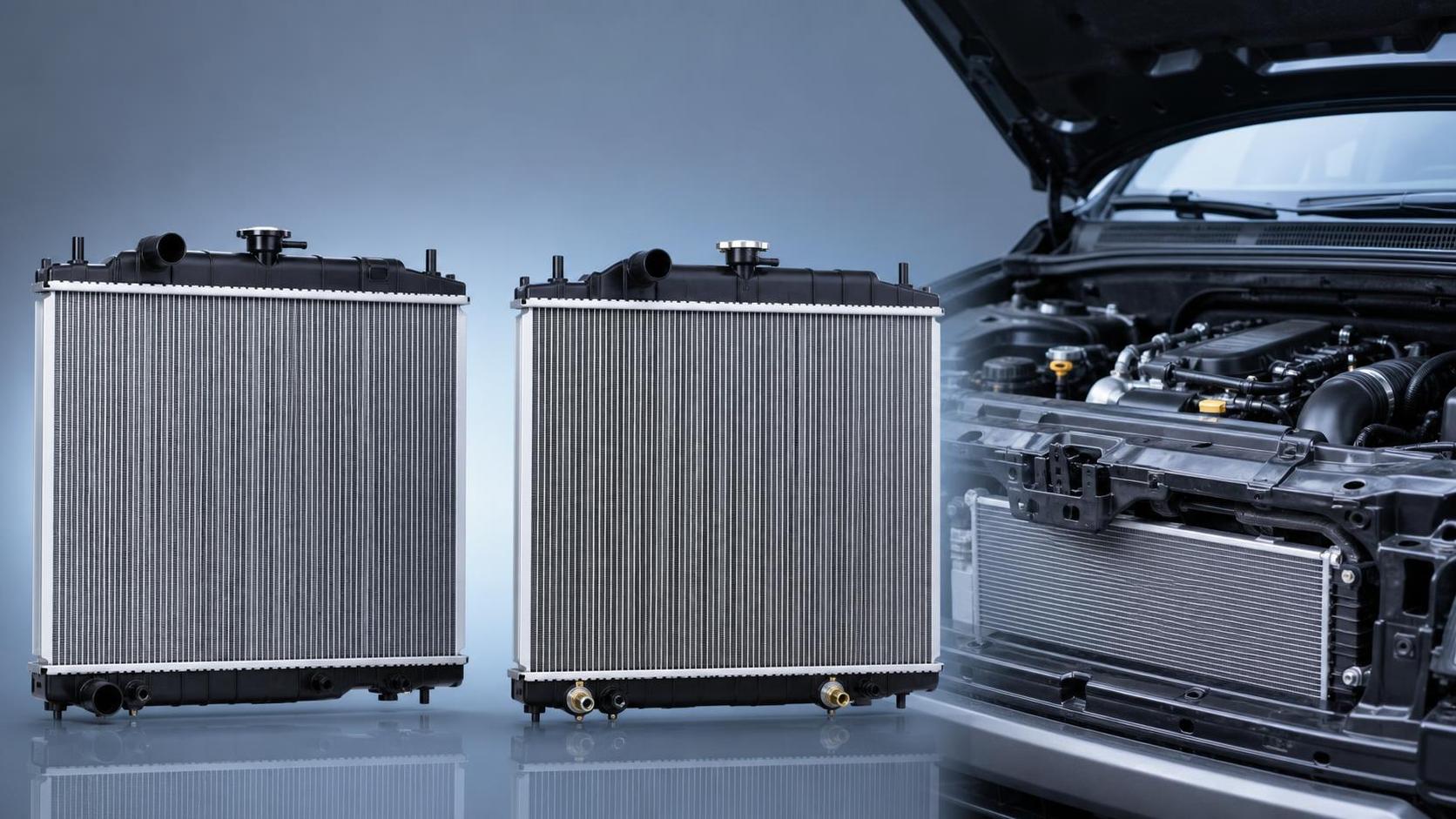
Start with the real question: what are you trying to save?
When people compare an OEM and aftermarket Nissan radiator, they usually look at the part price first. That makes sense, but it is not the full budget picture. A cheaper radiator that fits poorly, cools inconsistently, or starts leaking early can turn a modest repair into repeat labor, coolant loss, overheating risk, and another replacement much sooner than expected.
For most drivers, the better choice depends on three things: how long you plan to keep the car, how sensitive that Nissan model is to cooling system fitment, and whether you are paying retail labor or doing the job yourself. If you want the shortest path back to factory-like performance, OEM usually has the advantage. If you are trying to control cost on an older vehicle and can buy carefully, an aftermarket nissan radiator can make financial sense. The mistake is treating all aftermarket parts as equal. They are not.
Use this quick comparison before you buy
That table is the shortcut. The rest of the decision comes from checking where your car and your budget actually sit.
Check the age and value of the vehicle first
This is where a lot of people get honest answers fast. If your Nissan is relatively new, still in strong daily use, or worth enough that another cooling failure would be expensive to deal with, OEM often lines up better with the car’s value. You are paying more, but you are also reducing the chance of fitment surprises and cooling issues that cost more in labor than the part itself.
If the car is older and market value is modest, spending top dollar on an OEM radiator is not always rational. In that case, a well-sourced aftermarket nissan radiator can be the smarter buy, especially if the rest of the cooling system is in decent shape and the vehicle is not used for heavy loads, mountain driving, or extreme heat every day.
A practical rule: the older the car, the more acceptable aftermarket becomes, provided the part is from a seller that can clearly match it to your exact vehicle details.
Do not buy until the fitment details match exactly
Radiators look simple until you try to install the wrong one. Hose neck position, transmission cooler connections, mounting points, fan shroud alignment, sensor provisions, and core dimensions all matter. Even a small mismatch can turn a low-cost purchase into a return, garage delay, or forced modification that should never have been necessary.
Before ordering, check these against your vehicle information and the old part:
- Model, year, engine size, and transmission type
- Whether the car uses an automatic transmission cooler integrated into the radiator
- Inlet and outlet hose location
- Mounting bracket layout and overall dimensions
- Any sensor ports or drain plug location that must line up
This is one area where OEM wins easily because the matching work is usually more straightforward. Aftermarket can still be fine, but only if the listing is specific and complete. Generic descriptions are where trouble starts.
Think about labor cost, not just part cost
If a shop is doing the replacement, labor changes the math. Saving money on the radiator matters less when you are also paying for coolant, shop time, and possibly extra disassembly. In that situation, the safer fit and lower hassle of OEM may be worth the premium. One failed aftermarket part can erase the original savings quickly if the job has to be repeated.
If you are replacing it yourself, the balance shifts a bit. A careful buyer with time to compare photos, dimensions, and return terms can justify aftermarket more easily. The key is being realistic about your own tolerance for adjustment, delay, and troubleshooting.
Look closely at build quality clues
You usually cannot test a radiator on the shelf, but there are still clues. On an aftermarket unit, pay attention to the consistency of the plastic tank molding, the neatness of the crimping between tank and core, the finish on the welds or joints if applicable, and whether the mounting points look true rather than slightly twisted or rough. Cheap radiators often reveal themselves in the details.
Another practical check is how the seller presents the product. Good listings tend to include clear fitment data, multiple images, and precise application notes. Weak listings usually hide behind broad compatibility claims. For a nissan radiator, broad claims are not enough. You want a match, not a guess.
Cooling performance matters more on some cars and driving habits
Not every driver puts the same load on the cooling system. A city commuter in mild weather has more flexibility than someone sitting in traffic in a hot climate, climbing grades regularly, or carrying extra load. In tougher conditions, there is less room for a marginal radiator.
If your Nissan already runs warm, has a history of cooling issues, or is used in demanding conditions, avoid making the radiator decision in isolation. A low-cost aftermarket unit may still work, but only if the rest of the system is healthy and the part is clearly built to proper application standards. If conditions are demanding and downtime matters, OEM becomes easier to justify.
Do not blame the radiator for every overheating problem
This is a common budget trap. People replace the radiator, spend the money, and the car still overheats because the actual problem is a stuck thermostat, weak fan operation, old hoses collapsing internally, water pump issues, or contaminated coolant. Then the new radiator gets judged unfairly, and the repair budget is already blown.
Before buying, make sure the radiator is really the failed part. Typical signs include:
- Visible leaking from the core or tank seam
- Repeated coolant loss with no obvious hose or cap failure
- External fin damage or corrosion severe enough to reduce cooling
- Internal blockage symptoms after other cooling components have been checked
If you are paying a shop, ask them to note the source of leakage or restriction on the work order. That gives you a cleaner basis for choosing OEM or aftermarket instead of replacing parts by assumption.
Pay attention to warranty terms, but read them like a buyer
A longer warranty is useful, but it does not automatically mean a better radiator. Many buyers focus on the headline warranty period and ignore the claim process. What matters is whether the seller clearly states the covered part, fitment conditions, and return handling if the radiator arrives damaged or does not match the application.
For aftermarket purchases, check whether the warranty covers only the part or whether there are strict conditions tied to installation and coolant system maintenance. That is not a reason to avoid aftermarket. It is simply part of the real cost calculation.
A simple buying checklist that keeps costs under control
- Confirm that the radiator is the failed component, not just the most visible one.
- Write down year, model, engine, and transmission details before searching.
- Compare OEM price against a shortlist of aftermarket options, not the cheapest listing you can find.
- Check dimensions, hose positions, mounts, and cooler connections against the old radiator.
- Factor in labor, coolant, and downtime. This is where false savings usually show up.
- For a newer or high-dependability car, lean OEM unless the aftermarket source is proven and specific.
- For an older budget car, a carefully chosen aftermarket nissan radiator is often the better value.
Where most buyers land
If you want the least uncertainty, OEM is usually the cleaner answer. You pay more up front, but fitment and consistency are typically easier to trust. That is especially true when the car is still a daily driver and the repair needs to be done once, properly, and without callback risk.
If your main goal is controlling repair cost on an older Nissan, aftermarket can absolutely be the right move. Just avoid shopping by price alone. Match the application exactly, look for solid product detail, and treat labor and downtime as part of the budget. That is usually the difference between a smart saving and an expensive shortcut.
The best buying order is simple: diagnose the failure, confirm fitment, compare total installed cost, then decide whether the car’s age and your reliability needs justify OEM. That sequence keeps the nissan radiator decision grounded in cost and real-world use, which is what actually protects your budget.