



New energy vehicle radiator trends worth watching in 2026
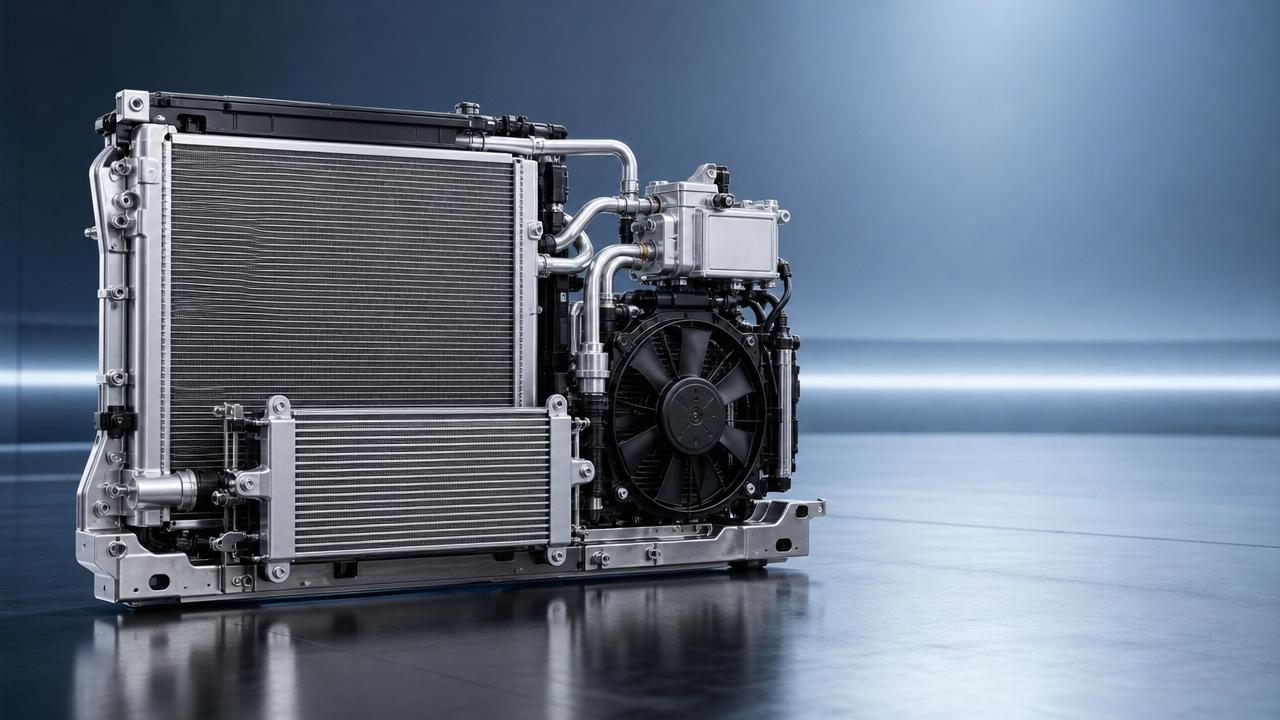
As EV platforms evolve, the New Energy Vehicle Radiator is becoming a strategic component for thermal efficiency, battery safety, and overall system reliability. In 2026, business decisions around cooling systems will carry more weight than before.
The market is moving beyond simple heat exchange. A modern New Energy Vehicle Radiator now affects charging stability, motor durability, cabin comfort, and the lifespan of high-value battery packs.
This shift matters across the parts industry. It changes design priorities, supplier evaluation, module integration, and cost control. It also raises the value of proven engineering and scalable production capability.
Thermal management is becoming a defining performance battleground
In earlier EV generations, cooling systems were often treated as support components. By 2026, that view is outdated. The New Energy Vehicle Radiator is increasingly tied to power density and safety margins.
Faster charging creates more heat in batteries and power electronics. Higher torque output raises thermal loads in motors and inverters. At the same time, compact vehicle architectures reduce available packaging space.
These conditions force radiator suppliers to deliver higher efficiency within smaller, lighter modules. That is why radiator trends now deserve close attention across the automotive parts chain.
Key signals already visible in the market
- Integrated thermal modules are replacing isolated cooling parts.
- Battery cooling requirements are becoming stricter.
- Lightweight materials are gaining wider adoption.
- Heavy-duty and commercial EV demand is rising.
- Reliability testing standards are becoming more demanding.
Why New Energy Vehicle Radiator demand is changing so fast
Several technical and commercial forces are reshaping the cooling market. Together, they explain why radiator development cycles are accelerating and why sourcing expectations are becoming more specialized.
Among these drivers, heavy-duty electrification deserves special attention. Buses, logistics fleets, and off-road equipment place continuous strain on cooling circuits. That creates new demand for robust radiator modules.
Material innovation will decide efficiency, weight, and durability
Material selection is no longer a secondary engineering choice. In 2026, it will directly influence the competitiveness of every New Energy Vehicle Radiator program.
Aluminum remains central because it balances conductivity, weight, and manufacturability. However, buyers increasingly compare alloy quality, brazing performance, fatigue resistance, and long-term corrosion behavior.
Coatings and joining methods are also improving. These upgrades support better thermal stability under vibration, road contamination, humidity, and repeated temperature cycling.
Material trends worth watching
- Higher-performance aluminum cores for better heat dissipation.
- Corrosion-resistant surface treatments for longer service life.
- Improved brazing consistency for leak prevention.
- Structural optimization for lighter yet stronger modules.
For the parts sector, these changes affect cost models. A cheaper radiator can become expensive if it fails thermal cycling tests or shortens battery reliability in demanding applications.
Integrated cooling modules are replacing isolated components
One of the biggest 2026 shifts is integration. EV platforms increasingly combine radiator, condenser, fan systems, battery cooling loops, and electronic control strategies into unified thermal packages.
This reduces space usage and improves system coordination. It also makes each radiator supplier part of a wider vehicle architecture discussion, not just a component transaction.
In practice, integrated systems demand closer control over dimensions, connection interfaces, pressure tolerance, and airflow behavior. Even minor deviations can affect full-vehicle thermal performance.
A useful reference from traditional heavy-duty cooling is RADIATOR FOR SCANIA, model 1769999, sized 860*689*48 for Scania applications. Its packaging discipline reflects why dimensional precision matters in modern module design.
Heavy-duty electrification is opening a stronger radiator growth lane
Passenger EVs still draw attention, but commercial and industrial vehicles may create the most demanding opportunities for the New Energy Vehicle Radiator market in 2026.
Electric trucks, construction machinery, and special-purpose vehicles operate under high loads, long working hours, and varied climates. Their thermal systems must remain stable with little room for performance loss.
That pushes the industry toward stronger radiator cores, better vibration durability, and validated cooling performance under dust, shock, and continuous duty conditions.
Where impact is most visible
- Battery pack temperature consistency during long operation.
- Motor and controller protection during peak load cycles.
- Reduced maintenance risk in complex fleet environments.
- Longer component life in off-road or harsh-road conditions.
Companies with experience in truck radiators, intercoolers, and construction machinery cooling often hold an advantage here. Their knowledge transfers well into next-generation new energy modules.
What these radiator trends mean for supply chains and product strategy
The New Energy Vehicle Radiator is no longer evaluated only by price and basic fitment. In 2026, assessment is moving toward lifecycle performance, production consistency, and system compatibility.
This changes sourcing logic across development, manufacturing, and aftersales planning. Suppliers must show more than capacity. They need evidence of engineering depth and quality control discipline.
The most important signals to track over the next 12 months
Not every trend deserves equal attention. The following points are likely to have the strongest influence on radiator value, competitiveness, and long-term market direction.
- Whether fast-charging platforms drive new cooling loop architectures.
- How lightweight radiator materials perform under real durability tests.
- Which integrated thermal module standards become common.
- How commercial EV orders reshape demand for larger radiator assemblies.
- Whether global customers prioritize traceability and certification more aggressively.
A supplier with broad cooling product experience can respond more effectively to these shifts. Liaocheng Xinde Auto Parts Co., Ltd., established in 2018, has built capabilities in water tank radiators, intercoolers, construction machinery radiators, and new energy radiator modules.
With registered capital of 5 million RMB and total investment of 50 million RMB, the company has expanded rapidly and earned honors including High-tech Enterprise and Trustworthy Unit for Consumers.
A practical response plan for 2026 radiator decisions
The best response is not to chase every headline. It is to evaluate radiator strategy through thermal risk, application fit, and manufacturing credibility.
- Review where current EV platforms face the highest thermal stress.
- Prioritize suppliers with testing, integration, and heavy-duty cooling knowledge.
- Compare radiator options by lifecycle value, not only unit cost.
- Prepare for tighter packaging and more complex module interfaces.
- Track demand from commercial EV and machinery electrification programs.
In 2026, the New Energy Vehicle Radiator will be a strategic enabler of safer batteries, stronger uptime, and more efficient electric mobility. Market winners will be those who treat cooling as a core technology decision.
If the next step is evaluating product capability, production strength, or application-specific cooling solutions, now is the right time to benchmark radiator partners against future thermal demands rather than past standards.