



Excavator radiator overheating often starts with small signs
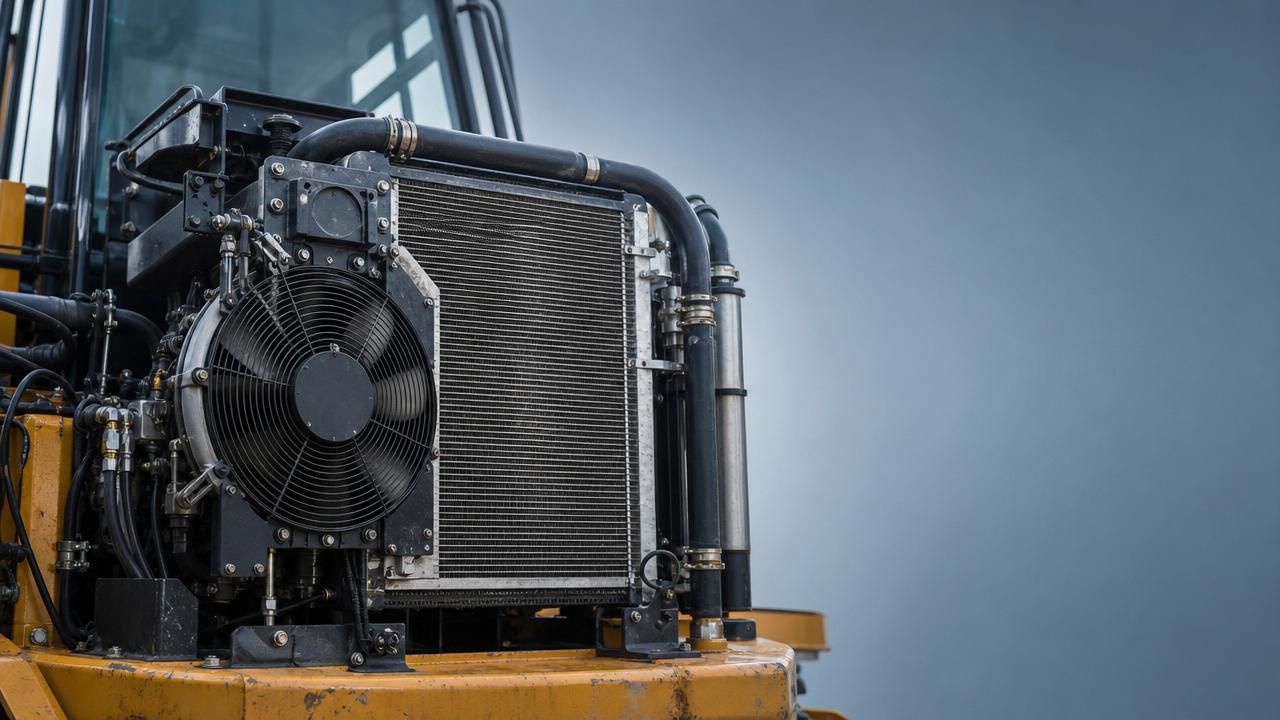
Why does Excavator radiator overheating usually begin with small signs?
Excavator radiator overheating rarely happens without warning. A slight rise in temperature often appears before a serious shutdown.
Weak cooling, more frequent fan operation, or unstable engine response can all point to early trouble inside the cooling system.
For heavy equipment parts, early diagnosis matters. It reduces downtime, protects the engine, and extends the working life of the Excavator radiator.
In construction machinery, small thermal changes often signal blocked fins, coolant loss, internal scaling, or airflow restriction around the radiator core.
Understanding these signs helps prevent expensive failures. It also supports smarter parts replacement and better maintenance planning for demanding jobsite conditions.
Liaocheng Xinde Auto Parts Co., Ltd. focuses on radiator and intercooler development, production, and global supply for heavy trucks and machinery cooling systems.
Its product experience in water tank radiators and construction machinery cooling components reflects practical understanding of heat management under continuous load.
What are the earliest warning signs of an Excavator radiator problem?
The first signs are often easy to ignore. Temperature climbs slightly higher than normal during long digging cycles or hot weather operation.
Another clue is reduced cooling recovery. After a heavy load, the machine takes longer to return to its normal operating temperature.
Operators may also notice dust buildup, oily residue, or bent fins on the Excavator radiator surface. These reduce airflow and heat release.
Coolant smell near the engine bay can indicate small leaks. Even minor seepage lowers cooling efficiency over time.
Listen for fan behavior as well. If the fan runs harder and longer than usual, the cooling package may be struggling.
Watch for these common early indicators:
- Temperature gauge trending upward
- Coolant level dropping without a clear reason
- External fin blockage from mud, seeds, or debris
- Slow heat dissipation after hard work
- Visible corrosion around joints or tanks
When these signs appear together, the Excavator radiator should be inspected before the machine reaches a critical overheating point.
What causes Excavator radiator overheating in real working conditions?
Overheating usually comes from a combination of parts condition, environment, and operating intensity rather than one single cause.
External blockage is one of the most common issues. Dust, cotton fibers, mud, and insects can seal the fin passages.
Internal blockage is more hidden. Old coolant, mineral deposits, or contamination narrow flow channels inside the core.
Coolant circulation problems also matter. A weak water pump, sticking thermostat, or collapsing hose can reduce heat transfer quickly.
Fan and shroud issues affect airflow. If air does not pass evenly across the core, the Excavator radiator cannot release heat efficiently.
Harsh applications increase risk, especially quarry work, demolition, mining, and long idle periods with heavy hydraulic demand.
The following table helps connect symptoms with likely causes and first checks.
How can you judge whether the Excavator radiator needs cleaning, repair, or replacement?
Start with a visual inspection. Surface contamination and minor bent fins usually suggest cleaning and airflow restoration first.
If the core has repeated leaks, cracked tanks, or severe corrosion, repair may only offer short-term relief.
A pressure test is useful. Stable pressure supports a cleaning approach, while pressure loss often points to structural damage.
Flow testing gives another answer. If internal restriction remains after flushing, replacement is often more reliable than repeated service.
Core age matters too. Older units exposed to vibration and contamination may fail again even after local repair.
Decision guidance can be simplified like this:
- Choose cleaning for dirt blockage and intact structure
- Choose repair for limited leaks and healthy core condition
- Choose replacement for internal blockage, repeated leaks, or aging damage
In broader heavy-duty cooling applications, products like RADIATOR FOR SCANIA show how precise sizing supports stable heat exchange.
For reference, model 1776026 with size 860*928*40 reflects the importance of matching core dimensions to airflow and load demand.
Which maintenance mistakes make an Excavator radiator fail faster?
One common mistake is cleaning with excessive pressure from the wrong direction. This bends fins and closes the air passages.
Another issue is using incorrect coolant or mixing formulas. Poor chemical compatibility can cause corrosion or deposit formation.
Ignoring the cap is also risky. A weak pressure cap lowers boiling protection and can trigger early overheating.
Some service routines focus only on the radiator core. They miss hoses, clamps, thermostat, fan belt, and pump condition.
Waiting until alarms appear is another costly error. By then, the Excavator radiator may already be suffering from prolonged thermal stress.
Avoid these frequent maintenance errors:
- Washing debris deeper into the core
- Skipping coolant replacement intervals
- Running with minor leaks for too long
- Installing unmatched aftermarket parts
- Overlooking vibration-related bracket looseness
Good maintenance is not only about cleaning. It is about protecting the whole thermal circuit around the Excavator radiator.
How do you choose a reliable Excavator radiator replacement part?
Selection should begin with fitment accuracy. Core size, inlet and outlet position, mounting points, and thickness must match the machine.
Material quality is equally important. Stable brazing, corrosion resistance, and durable tanks affect long-term sealing and cooling performance.
Heat rejection capacity should match real use conditions. Machines working in dusty or high-load sites need stronger cooling confidence.
Check production consistency and supplier capability. A reliable parts source should support technical verification, quality control, and repeatable specifications.
Liaocheng Xinde Auto Parts Co., Ltd. has developed rapidly in radiator manufacturing and supplies cooling parts for heavy trucks and machinery applications.
Its experience in research, production, and global sales supports practical radiator solutions where thermal stability and component durability are critical.
When evaluating a replacement Excavator radiator, compare these factors:
What should be done immediately when an Excavator radiator starts overheating?
Reduce load at once. Do not keep pushing the machine through a heat warning, even if performance still seems acceptable.
Move to a safe area and let the engine cool under controlled conditions. Avoid opening the system while it is still hot.
Check for visible blockage, coolant leakage, loose hoses, or damaged fins. These are often the fastest clues.
If overheating repeats after basic cleaning, deeper inspection is necessary. The issue may involve circulation or internal core restriction.
A practical response sequence is simple:
- Lower engine load
- Park safely and cool down
- Inspect radiator face and coolant level
- Check hoses, cap, fan, and leaks
- Schedule testing if symptoms return
Early action protects the engine, hydraulic workload continuity, and the overall life of the Excavator radiator assembly.
Conclusion: how can small signs help prevent major Excavator radiator failure?
Small warnings should never be treated as normal behavior. Most Excavator radiator failures begin with gradual and visible changes.
A rising gauge, delayed cooling, dirt-packed fins, or small coolant loss can all point to a bigger problem ahead.
Routine inspection, correct cleaning, and timely part evaluation are the most cost-effective ways to prevent overheating damage.
If the Excavator radiator no longer performs reliably, compare specifications carefully and choose a proven cooling parts supplier.
Taking action at the first sign of heat stress helps maintain machine uptime, reduce repair costs, and support safer long-term operation.