



New Energy Vehicle Radiator Demands Are Changing Faster Than Many Expect
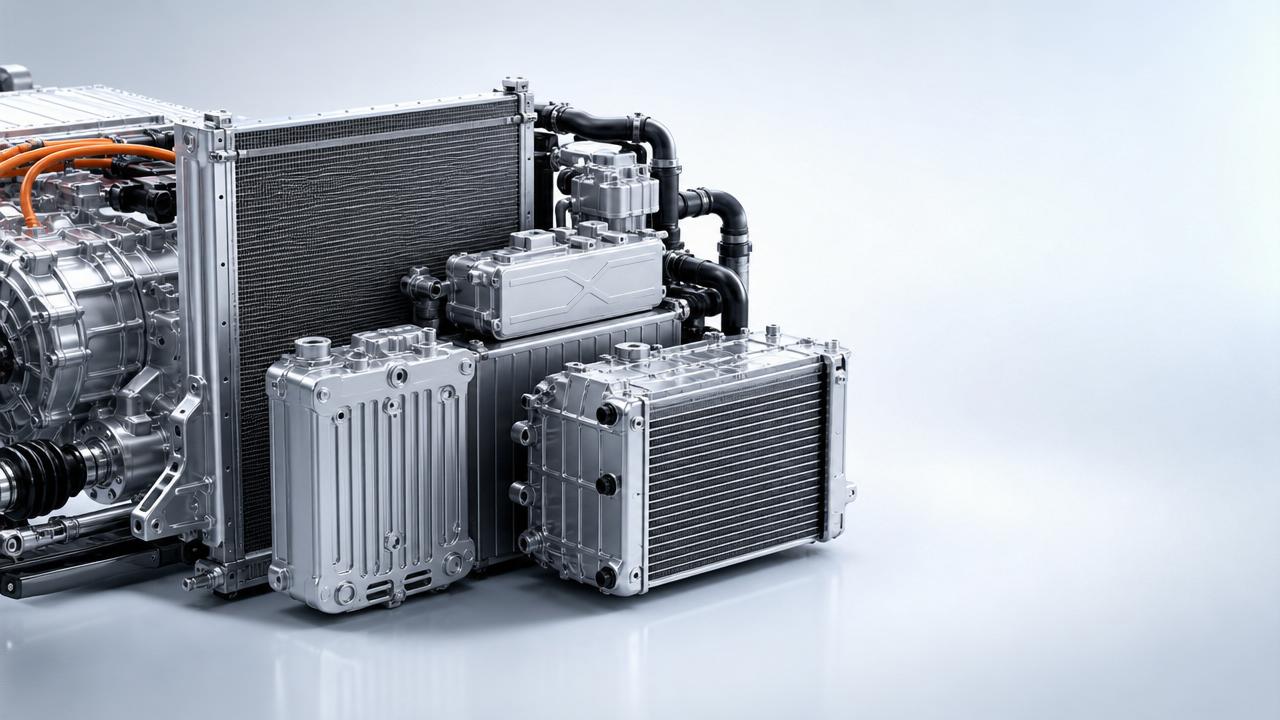
New Energy Vehicle Radiator requirements are evolving far more quickly than many industry leaders anticipated, driven by rising thermal loads, stricter efficiency targets, and faster product innovation cycles. For business decision-makers, understanding these shifts is essential to selecting reliable suppliers, controlling long-term costs, and maintaining vehicle performance in a highly competitive market.
Why the New Energy Vehicle Radiator Market Is Changing So Fast
The core search intent behind this topic is clear: decision-makers want to know why New Energy Vehicle Radiator demand is changing, what that means for sourcing, and how to respond before cost, quality, or delivery risks increase.
For enterprise buyers, this is no longer a technical side issue. Thermal management now affects battery safety, driving range, power electronics durability, charging speed, and ultimately brand reputation in the market.
What matters most is not just whether a radiator can cool. The real question is whether a supplier can support faster design iteration, tighter efficiency standards, and stable large-scale delivery under changing platform requirements.
That is why the discussion around New Energy Vehicle Radiator solutions has shifted from basic product comparison to strategic evaluation. Buyers are now judging lifecycle value, engineering support, production consistency, and adaptability across vehicle platforms.
What Business Decision-Makers Are Really Worried About
Most executives are not searching for textbook explanations of heat exchange. They want practical answers to business questions: How fast are specifications changing, which risks are rising, and which suppliers can still perform reliably under pressure?
The first concern is long-term cost control. A lower quoted unit price can become expensive if radiator performance falls short, integration takes longer, or warranty claims rise after vehicles enter real operating conditions.
The second concern is supply stability. New energy vehicle programs often move quickly from prototype validation to production ramp-up. If radiator suppliers cannot keep pace, launch schedules, customer commitments, and internal planning all suffer.
The third concern is technical compatibility. Radiators in new energy applications must work within larger thermal systems that include battery packs, motors, inverters, pumps, and smart controls. Poor matching creates system-level inefficiencies.
Finally, decision-makers worry about futureproofing. A radiator solution selected today should not become obsolete after the next battery upgrade, charging architecture change, or thermal load increase within a short development cycle.
The Biggest Drivers Behind New Energy Vehicle Radiator Demand Changes
Several forces are accelerating change at the same time. First, battery energy density continues to rise. Higher performance batteries create more demanding thermal control requirements, especially during fast charging and high-load operating conditions.
Second, vehicle makers are pushing for lighter, more compact modules. That means radiator suppliers must deliver better cooling efficiency within smaller packaging spaces, without compromising structural durability or production consistency.
Third, electric powertrains generate different thermal profiles than traditional internal combustion systems. Instead of designing around engine cooling alone, manufacturers now need multi-loop, integrated, and highly optimized thermal management architectures.
Fourth, regional climate demands are expanding. Vehicles must perform reliably in hot urban traffic, cold-start conditions, steep terrain, long-haul logistics, and stop-and-go construction scenarios. Radiator design must support broader operating envelopes.
Fifth, faster innovation cycles are compressing development timelines. OEMs and system integrators need suppliers who can support design adjustments, testing feedback, and tooling coordination without slowing down commercialization plans.
Why Traditional Purchasing Logic No Longer Works
In the past, many buyers evaluated radiator suppliers mainly on price, basic dimensions, and standard quality certifications. That model is increasingly inadequate for new energy projects where thermal performance directly influences system competitiveness.
Today, purchasing decisions must account for integration capability. A radiator may meet standalone test targets but still underperform once installed in a module with real airflow limitations, control strategies, and variable load conditions.
This is where many sourcing mistakes begin. Buyers compare quotations for components that appear similar on paper, but differ significantly in material selection, fin structure, pressure tolerance, brazing quality, and thermal efficiency margins.
Another limitation of traditional purchasing logic is underestimating engineering responsiveness. In new energy programs, design iterations happen quickly. Suppliers that cannot respond to drawings, samples, or validation adjustments become operational bottlenecks.
For strategic sourcing teams, the better approach is to evaluate suppliers through total business impact: technical fit, consistency, lead time reliability, scalability, and long-term cooperation value rather than initial quote alone.
How to Evaluate a New Energy Vehicle Radiator Supplier More Effectively
Start with application understanding. A capable supplier should ask detailed questions about the vehicle platform, duty cycle, environmental range, thermal loads, packaging constraints, and durability requirements before recommending a solution.
Next, review manufacturing specialization. Companies with focused experience in radiators, intercoolers, and heavy-duty thermal modules often bring stronger process control and deeper product knowledge than generalist component makers.
It is also important to examine development capability. Can the supplier support custom designs, sample verification, rapid iteration, and cross-border communication for global customers? These factors influence both project speed and final quality outcomes.
Production scale matters as well, but scale alone is not enough. Decision-makers should look for process stability, repeatable testing, material traceability, and a track record of delivering to demanding commercial vehicle or equipment markets.
For example, some buyers balancing mixed fleet or aftermarket needs may also compare adjacent applications such as radiator for man products to understand supplier breadth in heavy-duty thermal solutions.
Performance Metrics That Matter More Than Marketing Claims
When assessing New Energy Vehicle Radiator options, decision-makers should focus on measurable indicators rather than broad promises. Heat dissipation efficiency, pressure resistance, corrosion resistance, leak rate control, and fatigue durability are all critical.
Airside and coolant-side design efficiency should be reviewed carefully. Small design differences can significantly affect cooling output, fan energy use, and packaging flexibility, especially in compact or high-demand vehicle architectures.
Material quality is another major factor. Tube and fin materials, header strength, brazing consistency, and surface treatment all influence reliability over time, particularly in demanding environmental conditions or high-vibration applications.
Testing capability should also be verified. Serious suppliers can usually demonstrate pressure testing, thermal performance validation, endurance checks, and production inspection systems that reduce the risk of field failures later.
Executives do not need to manage every engineering detail directly. However, they should ensure procurement and technical teams use a disciplined metric framework when comparing suppliers to avoid hidden performance gaps.
How Thermal Management Decisions Affect Total Cost of Ownership
One of the most overlooked issues in radiator sourcing is total cost of ownership. A cheaper component can trigger higher downstream costs through energy inefficiency, more frequent maintenance, reduced component life, or customer dissatisfaction.
If a radiator cannot support stable temperature control, batteries and electronics may face additional stress. That can shorten useful life, increase warranty exposure, and create performance inconsistency that damages market confidence.
Integration inefficiency also has cost implications. If installation is difficult, packaging must be modified, or repeated validation is required, engineering hours and launch delays can quickly outweigh savings from a low purchase price.
Reliable radiator design can also contribute to operational efficiency. Better thermal control may improve system stability during fast charging, heavy load operation, or extreme weather, helping fleets and OEMs achieve more predictable performance.
For business leaders, the conclusion is straightforward: thermal management components should be assessed as strategic cost drivers, not as interchangeable commodities with limited business impact.
What a Strong Supplier Partnership Looks Like in Practice
A strong supplier relationship goes beyond order fulfillment. In fast-moving new energy markets, the best partners contribute to design refinement, manufacturing planning, and risk reduction throughout the product lifecycle.
They communicate clearly during development, identify possible thermal or structural issues early, and support practical improvements before those issues become expensive production or field problems.
They also maintain stable output as programs scale. Many suppliers can make prototypes, but fewer can deliver the same performance quality consistently at larger volumes while managing lead times and material availability.
For global buyers, communication and responsiveness are especially important. Delays caused by unclear specifications or weak project coordination often create more damage than small differences in product pricing.
Liaocheng Xinde Auto Parts Co., Ltd., established in 2018, reflects the type of focused manufacturer many buyers now seek: specialized in radiators, intercoolers, construction machinery radiators, heavy truck systems, and new energy radiator modules.
Its rapid development, dedicated investment, and industry recognition suggest a business model aligned with today’s market expectations, where buyers increasingly value specialization, engineering focus, and scalable production capability.
What Decision-Makers Should Do Next
If your company is sourcing or upgrading New Energy Vehicle Radiator solutions, the first step is to reassess your selection criteria. Make sure thermal performance, integration support, and supply reliability carry enough weight in evaluation decisions.
Second, involve technical and commercial teams early. The best purchasing outcomes come from combining engineering insight with business judgment rather than treating the radiator as a simple procurement line item.
Third, pressure-test supplier claims. Ask for relevant application cases, test standards, quality controls, development timelines, and production capabilities. Strong suppliers will usually welcome deeper evaluation because it highlights their real strengths.
Fourth, look for partners that can grow with your roadmap. As thermal requirements continue to evolve, flexibility and cooperation will matter as much as current product specifications.
Even when reviewing products across traditional commercial vehicle segments, such as a second look at radiator for man applications, the broader lesson remains the same: durable value comes from fit, consistency, and support.
Conclusion: Fast Change Creates Risk, but Also Better Sourcing Opportunities
New Energy Vehicle Radiator demand is changing faster because vehicle systems, performance expectations, and development cycles are all changing faster. For enterprise decision-makers, this is not a temporary fluctuation but a structural market shift.
The companies that respond well will be those that stop buying on price alone and start sourcing based on thermal performance, integration capability, production reliability, and lifecycle business value.
In practical terms, that means choosing suppliers who understand new energy applications deeply, adapt quickly, and support long-term product competitiveness instead of only short-term cost targets.
As thermal management becomes more central to vehicle performance and brand trust, radiator selection will increasingly shape commercial outcomes. Buyers who understand this shift early will make better, safer, and more profitable decisions.