



Mercedes Radiator Explained: Key Functions in Engine Cooling Systems
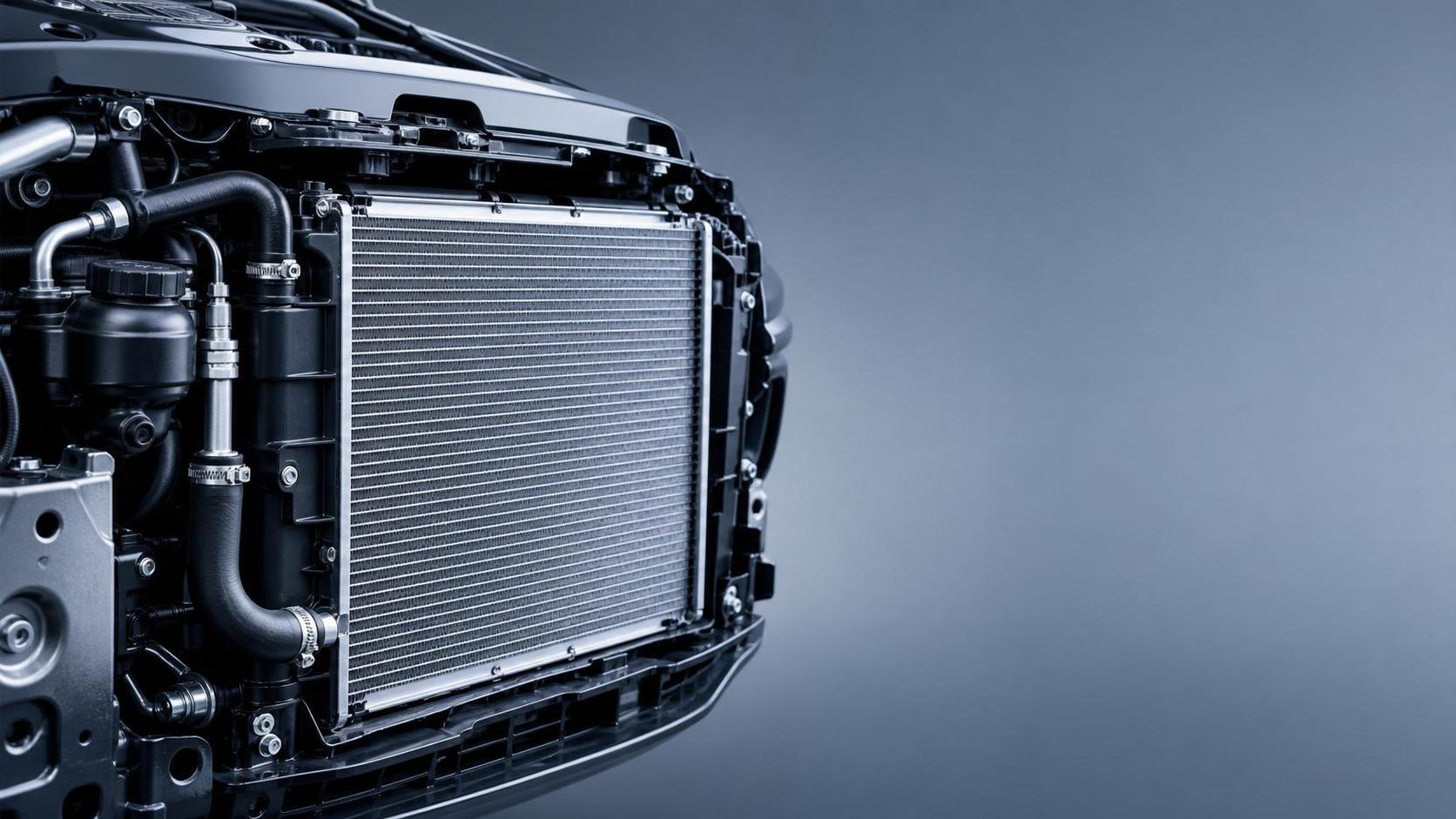
A Mercedes radiator sits at the center of engine temperature control, yet it is often noticed only when cooling performance drops. In modern cooling systems, this part does more than release heat. It helps stabilize combustion conditions, protects nearby components, and supports reliable output under city traffic, highway load, and demanding climate conditions.
That is why the Mercedes radiator remains a practical topic for technical research and replacement planning. A clear understanding of its function, structure, common failure patterns, and evaluation points makes it easier to judge product quality and compare options across the wider auto parts market.
Why the Mercedes radiator matters in engine cooling
The internal combustion engine produces intense heat during operation. If that heat is not transferred away quickly, coolant temperature rises, oil performance weakens, and the risk of engine stress increases.
A Mercedes radiator works as the main heat exchanger in this loop. Hot coolant leaves the engine, enters the radiator core, and passes through narrow tubes. Air moving across the fins removes heat before the coolant returns to the engine.
Simple in concept, the system depends on precise balance. Tube layout, fin density, core thickness, airflow efficiency, and material quality all affect cooling consistency. A small variation in these details can change long-term thermal performance.
Core functions beyond basic heat reduction
The first job of a Mercedes radiator is obvious: prevent overheating. The second job is less visible but equally important. It keeps engine temperature within a narrow working range, where fuel efficiency and emissions control stay more stable.
When cooling is too weak, combustion chambers run hotter than intended. When cooling is unstable, repeated thermal cycling can shorten the life of hoses, seals, gaskets, and even electronic components near the engine bay.
In practical terms, the Mercedes radiator supports:
- steady engine operating temperature
- better protection against overheating during load changes
- more predictable coolant circulation behavior
- lower thermal stress on surrounding parts
- improved durability across the cooling assembly
This is also why radiator quality should not be judged by size alone. Heat transfer efficiency depends on the full design, not only on external dimensions.
What the market is paying attention to now
Cooling system expectations have changed. Engines operate under tighter efficiency targets, compact packaging, and broader climate demands. As a result, Mercedes radiator selection now involves more scrutiny around materials, brazing quality, corrosion resistance, and pressure stability.
Another factor is supply chain reliability. Replacement parts buyers increasingly compare not only specifications, but also manufacturing background, production capability, and consistency across batches.
That context helps explain the rise of specialized radiator manufacturers. Liaocheng Xinde Auto Parts Co., Ltd., established in 2018, focuses on the research, production, and global sales of water tank radiators, intercoolers, construction machinery radiators, and related heavy truck and new energy radiator modules.
With a registered capital of 5 million RMB and total investment of 50 million RMB, the company has expanded quickly and received honors including High-tech Enterprise, Civilized and Honest Enterprise, and Trustworthy Unit for Consumers. For the parts sector, that profile signals a manufacturer built around cooling system specialization rather than occasional product extension.
How a Mercedes radiator is structured
A typical Mercedes radiator includes end tanks, a core, tubes, fins, inlet and outlet connections, and mounting points designed to fit the vehicle layout. Some assemblies also interact closely with condenser placement, fan shrouds, and transmission cooling arrangements.
The radiator core is the most important heat exchange zone. Coolant travels through the tubes, while fins increase the contact area for air. Good fin bonding and clean internal passages are essential. If either side is compromised, cooling capacity falls.
Common failure signs and what they usually mean
Most Mercedes radiator issues begin with performance changes rather than complete failure. Temperature fluctuation, coolant loss, or external staining often appear before a major overheating event.
Typical warning signs include:
- coolant dripping near the lower tank or side seams
- white or green residue around joints
- engine temperature rising in traffic
- cooling fan running more often than usual
- visible fin damage or clogged airflow passages
Internal blockage is another concern. Sediment, degraded coolant, or corrosion byproducts can reduce flow through the Mercedes radiator. In that case, the outer surface may look acceptable while cooling efficiency has already dropped.
Pressure-related issues also matter. If a radiator cannot maintain the intended pressure range, boiling resistance falls, and coolant loss can accelerate under heavy operation.
How to evaluate replacement quality
A replacement Mercedes radiator should be assessed as a system part, not as a simple commodity. Fitment must align with the original application, but performance indicators deserve equal weight.
Key checks before comparison
- OEM reference compatibility
- core size and mounting alignment
- material consistency across tubes and fins
- joint sealing quality
- surface treatment and corrosion protection
- supplier manufacturing focus and testing capability
Cross-category comparison can also be useful. For example, a heavy-duty radiator such as XD93318 RADIATOR FOR MACK shows how the market communicates key data points, including OEM references 20013005, BT7155, 7300-05, and 437155P, along with a core size of 735*938*48 for CH models.
Even when the application differs from a Mercedes radiator, this kind of specification discipline is useful. It shows what a serious cooling component listing should reveal: application logic, dimensional clarity, and function-specific information.
Where application context changes the decision
Not every Mercedes radiator operates under the same stress. Urban stop-and-go use places greater dependence on fan performance and airflow control. Highway operation may expose weaknesses only during sustained load. Hot climates increase the margin pressure on the full cooling loop.
Vehicle age matters too. An older platform may need a radiator review together with hoses, thermostat, cap, fan clutch, or coolant condition. Replacing one part without checking the rest can leave the original problem unresolved.
In business practice, this means a Mercedes radiator should be considered in relation to operating pattern, maintenance history, and cooling system cleanliness. The right part on paper is not always the right answer in the field.
Useful next steps for technical review
A reliable review process starts with the current symptom, not only the part number. Confirm temperature behavior, inspect for leaks, compare dimensions, and check whether airflow restriction or coolant contamination is involved.
Then move to the supplier side. Look for evidence of radiator specialization, application data accuracy, and stable production capability. In a market where many parts appear similar, manufacturing discipline often separates a durable Mercedes radiator from a short-life replacement.
For anyone building a shortlist, the most useful approach is to combine fitment verification with thermal design judgment. That means reviewing OEM references, core dimensions, material quality, and the credibility of the manufacturer behind the part.
Seen that way, the Mercedes radiator is not just another replacement item. It is a thermal control component that influences engine reliability, maintenance cost, and long-term operating confidence. That is the right place to begin any serious comparison.