



How to Verify Scania Radiator Compatibility with Engine Model and Chassis
How to Verify Scania Radiator Compatibility with Engine Model and Chassis
Choosing the right Scania Radiator is critical for reliable cooling, smooth installation, and lower downtime.
Before ordering, compatibility checks help avoid fitment errors, airflow problems, and early cooling failure.
The safest approach is simple.
Confirm the engine model, confirm the chassis layout, then compare radiator specifications line by line.
That process sounds basic, but in practice it prevents most purchasing mistakes.
Why Scania Radiator Compatibility Is More Than a Part Number Match
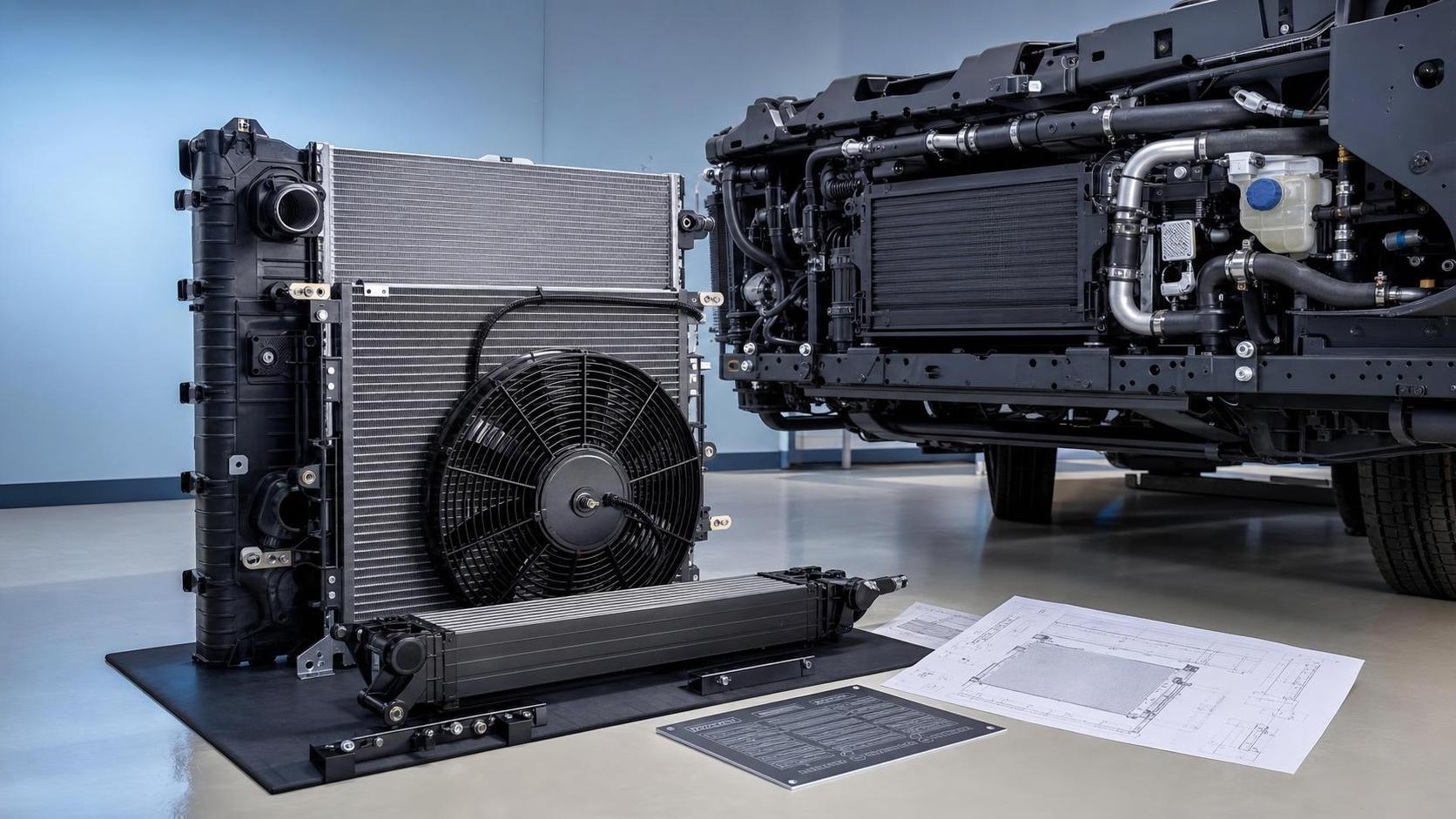
A Scania Radiator works within a larger cooling package, not as a standalone component.
Engine output, chassis frame width, fan shroud position, and hose routing all affect compatibility.
Two vehicles may share a similar cab, yet require different radiator core sizes.
That is why checking only an aftermarket reference code is risky.
A correct Scania Radiator must fit mechanically and perform thermally under real operating loads.
This becomes even more important in fleets handling long-haul transport, construction duty, or hot-climate operations.
Start with the Exact Engine Model
The engine model is the first filter when verifying Scania Radiator fitment.
Do not rely on vehicle series alone.
Scania engines can vary in horsepower, emissions stage, cooling demand, and accessory arrangement.
Check the engine data plate and record these details:
- engine family and engine code
- power rating and torque output
- emission standard
- turbocharged or intercooler configuration
- year of production or model revision
These details influence radiator capacity, inlet location, and total cooling system design.
If the engine has been upgraded or replaced, use the installed engine information, not the original registration record.
Then Check the Chassis Configuration
A Scania Radiator may match the engine and still fail the chassis fitment check.
The chassis determines the mounting envelope around the cooling module.
Review the following points carefully:
- chassis series and wheelbase
- frame rail spacing
- radiator mounting bracket type
- fan shroud depth and fan diameter
- surrounding components such as intercooler, condenser, or oil cooler
In real projects, clearance issues often appear at the corners, hose necks, or bracket holes.
That is why a dimension sheet matters as much as an OEM reference.
Key Scania Radiator Specifications to Compare
Once engine and chassis data are confirmed, compare the radiator specification in detail.
A proper Scania Radiator review should cover both fitment and cooling performance.
If one item does not match, stop and recheck the application.
A small mismatch can create installation delays or repeated overheating complaints later.
Use OEM Numbers, but Do Not Stop There
OEM numbers are useful, but they should not be your only verification tool.
Part references can be superseded, regionalized, or linked to multiple production revisions.
The better method combines three checks:
- match the OEM number
- confirm the engine model and chassis data
- review a technical drawing or physical sample photo
This layered verification process is far more dependable during sourcing and project planning.
It also reduces disputes between procurement, maintenance, and suppliers.
Ask for the Right Technical Documents
Good suppliers make Scania Radiator selection easier by providing useful technical support.
Before approval, request the following documents:
- dimension drawing with tolerances
- material specification
- pressure and leak test record
- cross-reference list
- application data by engine and chassis
When the supplier cannot provide these basics, the fitment risk rises quickly.
That is usually a warning sign during vendor evaluation.
In broader sourcing work, some teams also compare parallel heavy-duty cooling products, including Radiator for Mercedes-Benz , to benchmark build quality and documentation standards.
Common Mistakes When Selecting a Scania Radiator
Most compatibility problems come from a few repeated mistakes.
- Using truck model names without checking engine codes
- Ignoring chassis modifications from previous repairs
- Accepting cross-reference data without dimensions
- Overlooking hose orientation and mounting points
- Choosing by price before validating thermal performance
From a cost angle, these mistakes look small at purchase stage.
Later, they become labor waste, vehicle downtime, and emergency replacement expense.
A Practical Verification Workflow for Faster Decisions
A clear process helps shorten approval time without lowering technical accuracy.
- Collect engine plate data and chassis number.
- Take photos of the installed radiator and hose layout.
- Measure the old unit, including core size and bracket spacing.
- Match OEM references and technical drawings.
- Confirm operating environment, load profile, and climate conditions.
- Request supplier confirmation in writing before purchase.
This method works well for replacements, fleet planning, and cross-border sourcing projects.
It also creates a traceable record for future repeat orders.
Why Supplier Capability Still Matters
Even with complete vehicle data, supplier capability affects the final result.
A manufacturer with stable production and application knowledge can spot mismatch risks early.
Liaocheng Xinde Auto Parts Co., Ltd., established in 2018, focuses on radiator and cooling module manufacturing for heavy trucks and related applications.
Its product scope includes water tank radiators, intercoolers, construction machinery radiators, and new energy radiator modules.
With rapid growth and multiple provincial and municipal honors, the company reflects the kind of supplier profile many buyers now assess more closely.
In actual purchasing work, that means looking beyond price and asking about engineering support, test control, and global delivery consistency.
Final Check Before You Approve the Scania Radiator
Before releasing the order, run one final Scania Radiator review.
- Engine code confirmed
- Chassis layout confirmed
- Dimensions confirmed
- Connections confirmed
- Supplier documents confirmed
- Written application approval confirmed
That last review usually takes minutes, but it can prevent weeks of avoidable disruption.
When compatibility is verified carefully, the Scania Radiator becomes a reliable decision, not a sourcing gamble.
Use the engine model, the chassis details, and the technical drawing together, and the selection process becomes much more predictable.