



How to Judge Whether a Radiator for Commercial Vehicles Fits Your Fleet
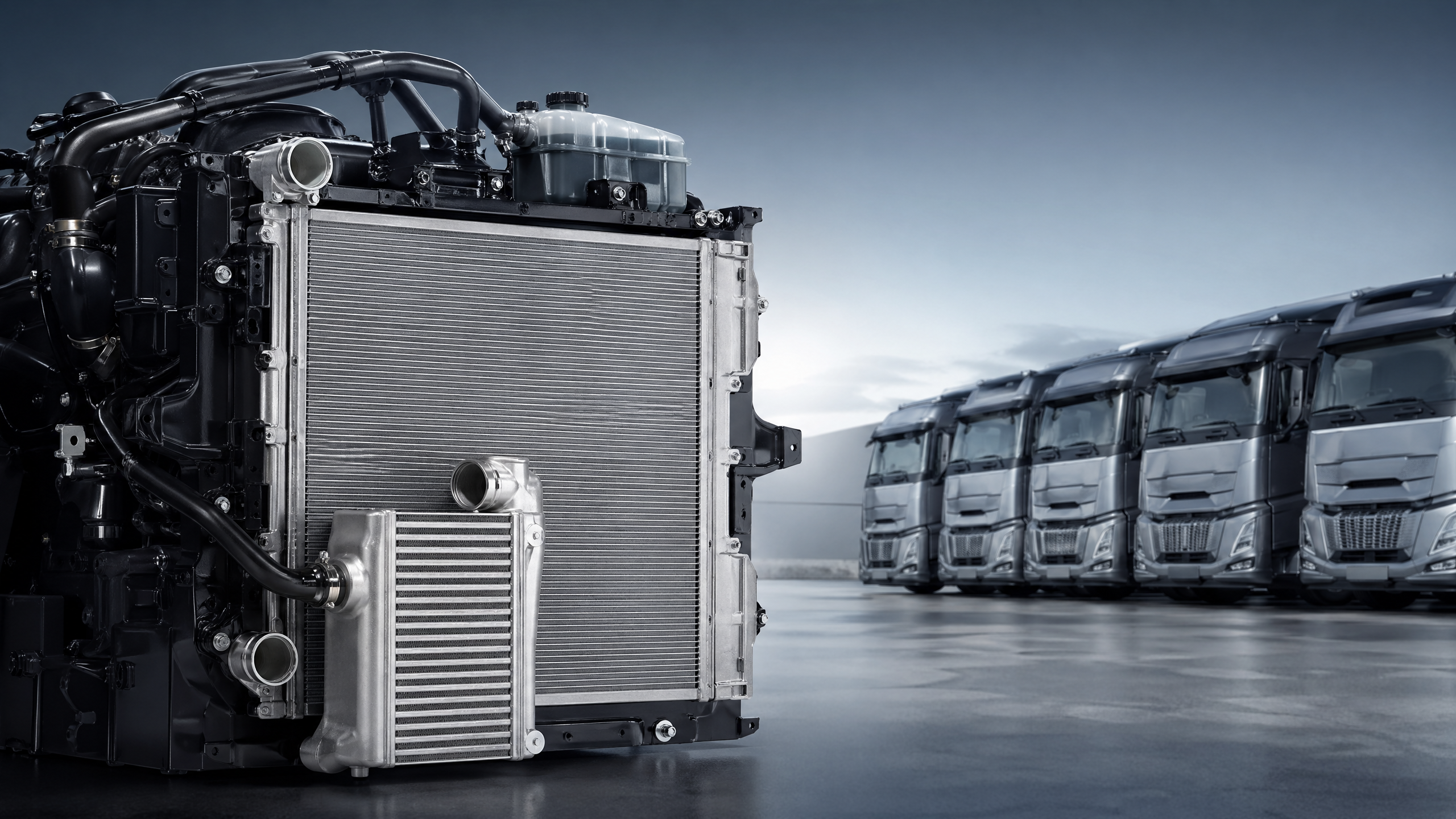
Choosing the right radiator for commercial vehicles is critical to fleet uptime, engine protection, and operating cost control. For drivers, operators, and fleet managers, judging fit means more than checking size—it requires understanding cooling performance, vehicle compatibility, durability, and working conditions. This guide will help you identify the key factors that determine whether a radiator truly matches your fleet’s daily demands.
In the parts industry, a poor radiator match can lead to repeated overheating, increased fuel consumption, unscheduled stops, and shortened engine life. For fleets that operate 8–16 hours per day or cover hundreds of kilometers on highways, mining roads, or construction routes, a cooling system cannot be selected by appearance alone. Operators need practical criteria they can check before purchase, installation, and daily use.
Liaocheng Xinde Auto Parts Co., Ltd., established in 2018 with a registered capital of 5 million RMB and a total investment of 50 million RMB, focuses on the research, production, and global sales of water tank radiators, intercoolers, construction machinery radiators, heavy truck cooling parts, and new energy radiator modules. Its development in China’s auto parts sector reflects a market reality: fleets now need cooling components that combine stable heat dissipation, durable materials, and practical fit for demanding operating environments.
Start with Real Vehicle Compatibility, Not Just Overall Size
The first test for any radiator for commercial vehicles is vehicle compatibility. Many operators only compare length, width, and thickness, but a radiator that looks similar can still fail after installation. Core dimensions, hose outlet position, mounting points, fan shroud clearance, transmission cooler layout, and pressure cap specification all affect whether the unit can work reliably for 12 months or more under continuous fleet use.
A practical inspection should include at least 6 checkpoints: OE or cross-reference part number, core size tolerance, inlet and outlet orientation, bracket position, tank shape, and surrounding component clearance. Even a mismatch of 5–10 mm in mounting holes or hose angle can create vibration, leakage, or difficult assembly. For heavy trucks and commercial platforms, installation space is often tighter than operators expect.
It is also important to separate “can be installed” from “fits the fleet.” A radiator may physically fit one vehicle, but if your fleet includes mixed engine outputs, different transmission configurations, or regional variants, one part may not serve all units. Fleets running 20, 50, or 100 vehicles should confirm whether one radiator SKU supports the same cooling load across all operating conditions.
Key Fitment Checks Before Purchase
Before placing an order, ask suppliers for dimensional drawings, application lists, and photos of key interfaces. This reduces the risk of receiving a radiator that matches catalog data but not the actual vehicle in your workshop. If possible, compare the new unit with the removed part side by side and verify the position of fittings, sensor ports, and support pads.
- Check overall dimensions and core thickness against the original radiator.
- Confirm hose neck diameter and orientation to avoid forced hose bending.
- Verify bracket and bolt hole spacing within a practical tolerance, often around ±1–2 mm.
- Review whether integrated coolers, fan covers, or sensor interfaces are included.
The table below shows a simple field checklist operators can use to judge whether a radiator for commercial vehicles is likely to fit without causing installation or service issues.
The key takeaway is simple: size is only the first filter. Correct application data and interface alignment matter just as much as dimensions. For fleets, this reduces repeated labor, wasted inventory, and the cost of trucks standing idle for an extra 1–2 days waiting for the right replacement.
Evaluate Cooling Performance Under Your Actual Duty Cycle
A radiator for commercial vehicles should be judged by how it performs under load, not just by how it looks on the pallet. Fleet vehicles often operate in stop-and-go traffic, long climbs, high ambient temperatures, or dusty construction areas. In these conditions, coolant temperature stability matters more than catalog claims. A radiator that works in light suburban use may struggle when the engine runs at sustained high output for 2–4 hours.
Operators should focus on heat rejection capability, airflow efficiency, and thermal recovery after peak load. Warning signs of insufficient cooling include frequent temperature rise on gradients, fan engagement that becomes almost constant, visible coolant boil-over, or reduced cabin heating and cooling stability. These are all signals that the radiator core or airflow path may not be matched to the vehicle’s real duty cycle.
Material and construction also influence performance. Aluminum radiators are widely used because they combine low weight with efficient heat transfer. In demanding use, a brazing radiator structure can improve joint consistency and support stable thermal behavior. This matters for vehicles that face repeated cold starts, heavy loads, and day-to-night temperature swings of 15–25°C.
How Operators Can Judge Performance in the Field
A workshop or fleet supervisor can use a simple 3-stage test. First, inspect baseline cooling behavior during idle and low-speed running. Second, monitor temperature during a loaded route or climb. Third, check recovery time after the load decreases. If coolant temperature remains too high for more than several minutes after the engine load drops, the cooling reserve may be insufficient.
Common operating conditions that increase heat load
- Urban delivery vehicles that idle frequently and depend on fan efficiency more than ram air.
- Heavy trucks on long-distance routes where high engine speed is maintained for 6–10 hours.
- Construction and mixed-road vehicles exposed to mud, dust, and restricted airflow through the core.
- Hot-climate fleets where ambient temperatures often exceed 35°C and margin for cooling error becomes small.
As a reference, some lighter automotive cooling applications also demonstrate how construction quality supports thermal stability. For example, Radiator for Lynk uses aluminum material, a brazing radiator structure, a 12-month warranty, and a single-item specification sized at 83X14X58 cm for Link 06 / binyue applications. While this is a passenger-vehicle product rather than a heavy fleet unit, it illustrates two relevant principles: material choice and manufacturing method directly affect heat transfer stability under demanding driving conditions.
When selecting a radiator for commercial vehicles, ask whether the supplier can explain how the core structure, fin density, and tank design support repeated heavy-duty cycles. Good fit is not only about installation; it is about whether the radiator can keep temperature within a safe working range day after day without forcing the engine cooling fan to compensate all the time.
Check Durability, Material Quality, and Failure Risk in Harsh Environments
For operators, durability is often the difference between a planned service interval and a roadside stop. A radiator for commercial vehicles may face vibration, pressure cycles, stone impact, chemical exposure, and blocked airflow. Even if two radiators have similar dimensions, one may fail much earlier because of weaker brazing quality, thinner tanks, poor fin bonding, or inadequate support around mounting points.
The most common fleet-side radiator failures usually appear in 4 areas: tube leakage, tank seam separation, mounting crack formation, and internal blockage caused by contaminated coolant. In real use, dust and debris can reduce airflow across the core by a noticeable margin within a few weeks, especially on quarry, municipal sanitation, and site-service vehicles. This means durability should include both mechanical resistance and serviceability.
Liaocheng Xinde Auto Parts Co., Ltd. operates in radiator and intercooler manufacturing for heavy trucks, construction machinery, and new energy thermal modules. For fleet buyers, this production focus is relevant because specialized manufacturers are generally better positioned to understand the differences between on-road and off-road cooling requirements, including impact resistance, anti-vibration design, and stable supply consistency over repeated batches.
Material and build points worth checking
When assessing service life, ask practical questions rather than broad ones. What material is used for the core and tanks? Is the unit brazed or assembled differently? What type of packaging protection is used in transport? Is there a stated warranty period, such as 12 months? How does the supplier control dimensional consistency from batch to batch? These details often reveal more than generic claims about quality.
The table below compares typical durability factors that affect whether a radiator for commercial vehicles can survive fleet conditions with fewer service interruptions.
Durability is not only a manufacturing issue. The wrong coolant ratio, neglected flushing interval, or broken fan shroud can damage even a well-built radiator. For fleets, the best results come from combining a correctly selected part with a preventive inspection routine every 10,000–20,000 km or according to the vehicle’s working pattern.
Match the Radiator to Operating Conditions, Maintenance Practice, and Fleet Economics
A radiator for commercial vehicles should fit not just the truck, but also the route, maintenance schedule, and replacement strategy of the entire fleet. A long-haul tractor, a city box truck, and a construction support vehicle may all use similar engines, yet their cooling demands differ significantly. Heat load, debris exposure, service access, and idle time create different selection priorities.
From an operator’s perspective, the right choice often balances 4 factors: thermal capacity, installation accuracy, durability, and total operating cost. The cheapest option may increase labor time, warranty claims, or unplanned stoppage. A more suitable unit can reduce workshop frequency and improve vehicle availability, which matters far more when a truck generates income every day it is on the road.
Procurement should therefore involve both technical confirmation and service planning. Ask how quickly replacements can be supplied, whether repeated batches remain consistent, and whether support is available for application matching. In many fleet operations, waiting an extra 3–7 days for the wrong or incomplete part costs more than paying slightly more for a correctly matched radiator from the start.
A simple decision model for fleet users
Use the following comparison method when judging a radiator before bulk purchase or a trial replacement. It helps drivers, workshop staff, and purchasing teams review the same part from both technical and operational angles.
This approach is especially useful when a fleet runs more than one route type or vehicle series. Instead of asking only “Does it fit?”, ask “Will it fit our load, our roads, our maintenance rhythm, and our downtime target?” That broader view leads to more reliable purchasing decisions.
Typical mistakes to avoid
- Buying by visual similarity without checking bracket and hose geometry.
- Ignoring the effect of dust, climbing routes, and long idle periods on cooling demand.
- Using old contaminated coolant with a newly installed radiator.
- Treating warranty as a substitute for proper application verification and maintenance.
Even a well-designed product with advanced thermal technology cannot deliver full value if the fleet ignores airflow blockage, poor coolant condition, or incorrect fitment. In selection and maintenance, practical discipline is as important as product specification.
FAQ: Practical Questions Operators Often Ask
How can I tell if overheating is caused by the radiator and not another cooling component?
Start with a 4-point inspection: coolant level and condition, thermostat behavior, fan operation, and radiator core cleanliness. If the fan and thermostat work correctly but temperature still rises under load, especially on climbs or at low speed, the radiator may have restricted flow, weak heat rejection, or internal blockage. External fin clogging can also reduce performance quickly in dusty service.
How often should a fleet inspect the radiator system?
A practical routine is a visual check during daily or weekly walkarounds, a deeper inspection at every regular service interval, and core cleaning whenever debris buildup becomes visible. For demanding routes, many operators inspect cooling components every 10,000–20,000 km or more frequently if the vehicles work in mud, sand, or high-temperature environments.
Is aluminum always the best choice for a radiator for commercial vehicles?
Aluminum is popular because it offers good heat transfer and reduced weight, but the best choice still depends on application, build quality, and maintenance. Material alone does not guarantee performance. The radiator core design, joining method, support structure, and coolant management all influence whether the unit can deliver reliable service across a fleet.
What information should I send a supplier before ordering?
Provide the original part number, vehicle model, engine type, year or platform variant, photos of the old radiator, and measurements of key interfaces if possible. For fleet orders, also explain route type, ambient temperature range, daily operating hours, and whether the vehicles are used on-road, off-road, or mixed duty. This improves matching accuracy and helps reduce return risk.
Judging whether a radiator for commercial vehicles fits your fleet means looking beyond catalog dimensions. The right unit must match the vehicle accurately, maintain stable cooling under real load, resist harsh service conditions, and support your maintenance and downtime targets. For operators and fleet decision-makers, these checks lead to fewer failures, better engine protection, and more predictable running cost.
If you are comparing replacement options for heavy trucks, construction machinery, or other cooling applications, working with a manufacturer focused on radiators, intercoolers, and thermal modules can make the evaluation process more practical and reliable. Liaocheng Xinde Auto Parts Co., Ltd. serves global markets with a clear specialization in automotive and machinery cooling components.
To reduce fitment risk and improve fleet uptime, contact us to discuss your vehicle models, operating conditions, and cooling requirements. Get a tailored recommendation, review product details, or learn more about suitable radiator solutions for your commercial fleet.