



How to Compare Radiator Core Structures
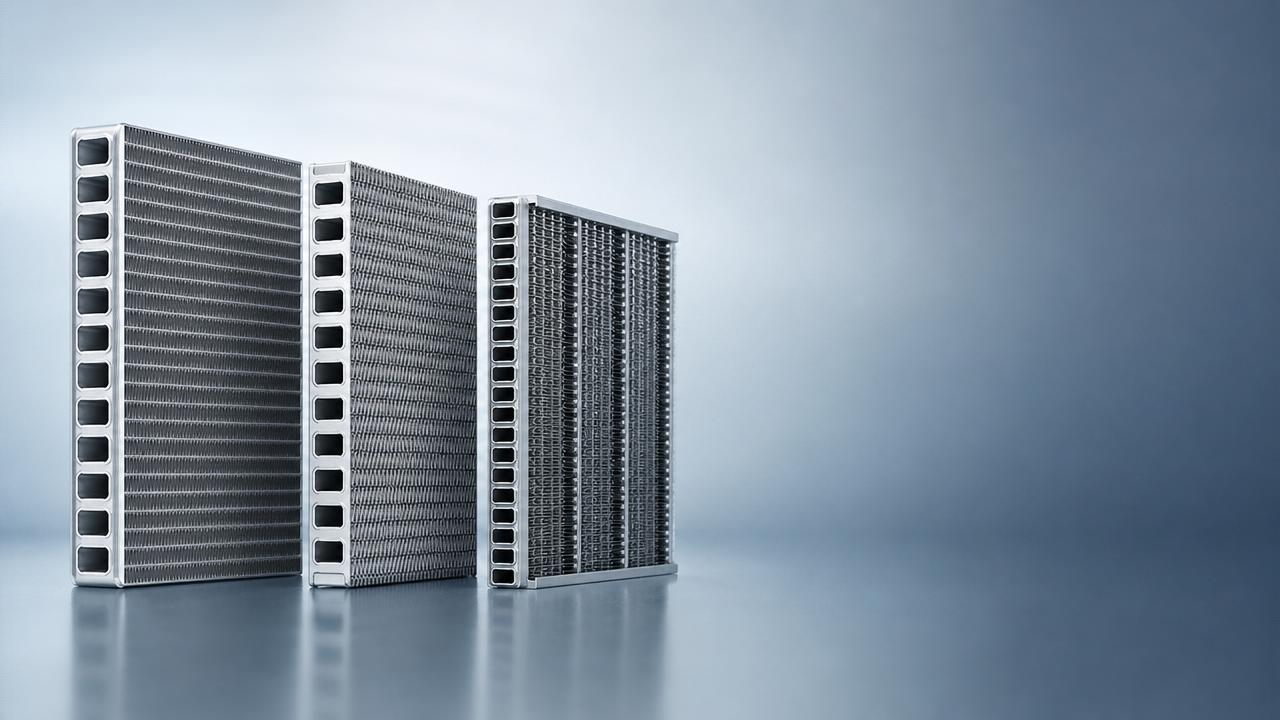
Understanding how to compare radiator core structures is essential for evaluating cooling performance, durability, and long-term value in heavy-duty and new energy vehicle applications. A radiator core is not just a heat exchange component; its material, tube design, fin density, and manufacturing quality directly affect engine protection and system efficiency. This guide explains the key structural differences to help researchers, buyers, and technical decision-makers make more informed comparisons.
Why radiator core structure matters before procurement
In the parts industry, many purchasing mistakes begin with comparing only outer dimensions or price. A radiator core may look similar from the outside, yet perform very differently under load.
For heavy trucks, construction machinery, luxury sedans, and new energy cooling modules, the radiator core must balance heat transfer, pressure resistance, corrosion protection, vibration tolerance, and maintainability.
Core comparison starts with real operating conditions
- High-load diesel engines usually require a radiator core with strong tube strength, stable brazing quality, and sufficient frontal heat exchange area.
- New energy systems may focus more on precise thermal control, low noise operation, reduced weight, and integration with other cooling modules.
- Construction machinery needs resistance against dust blockage, vibration, pressure fluctuation, and long operation in harsh ambient temperatures.
Liaocheng Xinde Auto Parts Co., Ltd. focuses on radiators, intercoolers, construction machinery radiators, and new energy radiator modules. This manufacturing background is important when technical comparisons must connect structure with field use.
Which radiator core types should you compare first?
The first decision is not always aluminum versus copper. Buyers should compare how the radiator core is built, how coolant flows, and how air passes through the fin area.
The table below summarizes common radiator core structures and the practical differences researchers should verify before shortlisting a supplier.
A thicker radiator core is not automatically better. If fin density is too high or airflow is restricted, the system may lose efficiency despite having more material.
How tube design changes cooling behavior
Flat tubes increase contact area between coolant and tube walls. However, the internal channel design must support stable coolant flow without excessive pressure loss.
For a radiator core used in commercial vehicles, tube strength and brazed joint integrity are critical because repeated thermal cycles can expose weak manufacturing points.
How to evaluate fin density, airflow, and heat transfer
Fin design is one of the most overlooked radiator core factors. Fins transfer heat from tubes to passing air, but their spacing must match the working environment.
Fin pitch should match dust, speed, and fan capacity
Dense fins may improve heat exchange in clean highway conditions. In dusty mines or construction sites, they may clog faster and reduce effective cooling area.
For information researchers, the useful question is not “which radiator core has the most fins,” but “which fin structure remains effective in my operating environment.”
- For long-distance trucks, compare cooling stability at sustained engine load and high ambient temperature.
- For urban new energy vehicles, check low-speed airflow, fan noise, and thermal control under stop-and-go operation.
- For off-road machinery, prioritize debris tolerance, fin durability, and ease of cleaning during maintenance.
A suitable radiator core should maintain heat rejection without forcing the fan to operate constantly at high speed, because that increases energy consumption and noise.
What parameters should be checked in a radiator core comparison?
A serious comparison needs measurable indicators. Even when exact proprietary data is unavailable, buyers can ask for drawings, material descriptions, pressure test references, and sample inspection support.
The following checklist helps organize radiator core evaluation in a way that is useful for sourcing, engineering review, and supplier communication.
The best comparison combines drawings, application data, and actual installation constraints. A radiator core cannot be judged accurately through appearance alone.
Product fitment example for passenger and new energy platforms
In vehicle-specific projects, structural comparison should include OE number, model compatibility, system layout, and warranty expectations, not only heat exchange area.
For example, the Radiator for Hongqi is associated with EQM5 applications, OE NO. 1301010HA01, universal specification reference, and a 6-month warranty.
Its application scope includes luxury engines, new energy systems, H series sedans, and HS luxury SUVs, where quiet efficiency and long-term reliability are important selection factors.
How different applications change radiator core priorities
A radiator core for a highway tractor does not follow the same priority order as one used in a luxury new energy vehicle or excavator cooling system.
The comparison below helps researchers connect operating scenario with structural priorities, reducing the risk of selecting an impressive but unsuitable design.
This is why application-based comparison is more reliable than catalog-only selection. The radiator core must serve the complete cooling system, not just one specification line.
Procurement guide: how to compare suppliers, not just products
For information researchers, the supplier’s engineering response often reveals as much as the product description. A capable manufacturer can explain why a radiator core structure suits a defined vehicle platform.
Key questions to ask during sourcing
- Can the supplier confirm core dimensions, pipe positions, mounting points, and OE reference before quotation?
- Does the manufacturer understand the difference between heavy truck, construction machinery, and new energy thermal management requirements?
- Can samples or drawings be reviewed before bulk order to reduce mismatch and rework costs?
- Are packaging, delivery schedule, warranty terms, and after-sales communication clearly defined?
Liaocheng Xinde Auto Parts Co., Ltd. was established in 2018, with registered capital of 5 million RMB and total investment of 50 million RMB.
The company manufactures and sells water tank radiators, intercoolers, construction machinery radiators, heavy truck components, and new energy radiator modules for global markets.
Its development has been supported by provincial and municipal honors including High-tech Enterprise, Civilized and Honest Enterprise, and Trustworthy Unit for Consumers.
Common mistakes when comparing radiator core structures
Many radiator core failures are linked to selection errors rather than immediate manufacturing defects. A technically unsuitable structure may pass installation but fail under real duty cycles.
Mistake 1: assuming more rows always mean better cooling
Additional rows can increase coolant volume, but they may also increase airflow resistance. Without proper fan capacity, the rear rows may contribute less than expected.
Mistake 2: ignoring coolant compatibility
Coolant chemistry affects corrosion behavior inside the radiator core. Buyers should follow vehicle maintenance recommendations and avoid mixing incompatible fluids during replacement.
Mistake 3: selecting only by lowest unit price
A cheaper radiator core may create hidden costs through leakage, downtime, urgent replacement, freight loss, or warranty disputes. Total ownership cost is the better comparison basis.
- Check whether the core structure matches the real heat load, not only the vehicle model name.
- Review packaging quality because bent fins or damaged tanks can reduce performance before installation.
- Confirm lead time early when the project involves seasonal demand or fleet maintenance schedules.
FAQ: radiator core comparison questions buyers often ask
The following questions reflect common search and procurement concerns when comparing radiator core structures across different vehicle and machinery applications.
How do I know whether a radiator core has enough cooling capacity?
Start with vehicle model, engine or system heat load, operating temperature, installation space, fan capacity, and original radiator reference. Then compare core area, row count, fin design, and tube structure.
Is aluminum always better for a radiator core?
Aluminum is widely used because it supports lightweight and efficient heat exchange. However, suitability depends on manufacturing quality, application environment, corrosion control, and mounting design.
What should I check when replacing an OE radiator?
Confirm OE number, inlet and outlet positions, tank shape, sensor ports, mounting brackets, core thickness, and packaging condition. Small dimensional differences can cause installation delays.
How does fin damage affect performance?
Bent or blocked fins reduce airflow through the radiator core. In severe cases, the cooling system may overheat even when coolant level and pump operation appear normal.
Why choose us for radiator core selection and supply support?
Choosing a radiator core requires engineering judgment, manufacturing consistency, and clear communication. Liaocheng Xinde Auto Parts supports buyers with product matching, sample discussion, and application-based recommendations.
If you are comparing structures for heavy trucks, construction machinery, passenger vehicles, or new energy radiator modules, you can consult us about parameter confirmation, drawings, fitment, and quotation.
Our team can discuss core size, tube and fin structure, delivery requirements, packaging protection, warranty terms, sample support, and customization feasibility based on your target application.
For researchers and sourcing teams, the next step is simple: share your OE number, model, working environment, expected order quantity, and certification or documentation needs for a practical comparison plan.