



How an agricultural radiator affects harvest uptime
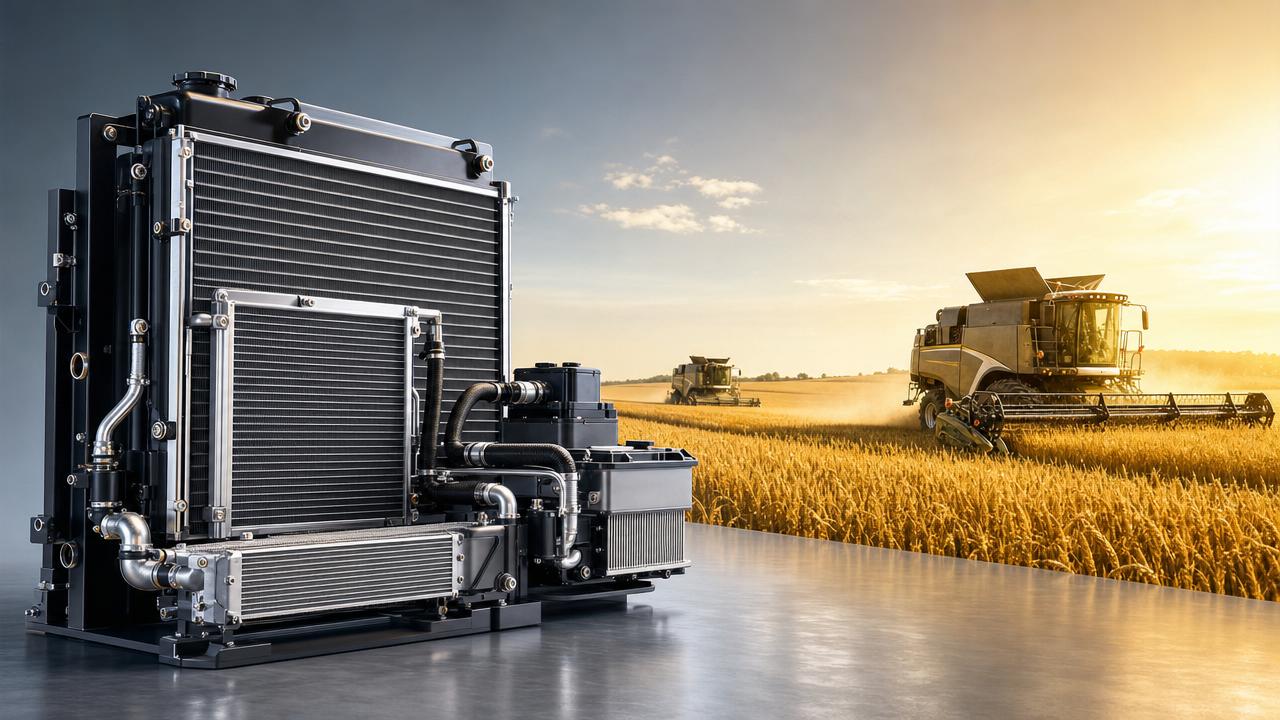
Harvest pressure is rising, and the Agriculturaal radiator is becoming a strategic uptime part
Harvest uptime depends on every cooling component working under pressure, and the Agriculturaal radiator sits at the center of that reliability equation.
During long field hours, engines face dust, vibration, heavy loads, and unstable airflow. Heat builds quickly when crops, terrain, and ambient temperatures change together.
A strong Agriculturaal radiator protects engine output, fuel efficiency, and operating continuity. A weak one turns peak season into a chain of avoidable stoppages.
This matters more today because harvest windows are tighter. Labor pressure, weather uncertainty, and machine utilization targets leave less room for cooling failure.
For parts-related businesses, radiator quality is no longer a routine replacement issue. It directly influences service life, maintenance planning, and seasonal revenue protection.
Field conditions are changing, and cooling systems must work harder than before
Modern harvesting equipment runs longer, carries higher engine loads, and often operates in hotter, dustier environments than previous generations.
At the same time, machines are more compact. Cooling packages must deliver stable heat transfer in tighter spaces with less tolerance for contamination.
This trend increases the value of the Agriculturaal radiator as a performance-critical part, not just a passive metal assembly.
When fins clog or core strength is inadequate, heat rejection drops fast. That can trigger derating, coolant loss, or engine shutdown during high-demand harvest periods.
The result is not only repair cost. It includes delayed crop handling, missed operating hours, and pressure on downstream logistics.
Clear signals behind the stronger demand for reliable cooling parts
Why an Agriculturaal radiator has such a direct effect on harvest uptime
The radiator regulates coolant temperature by transferring engine heat into surrounding air. If that exchange weakens, every connected system feels the stress.
Engine oil degrades faster under heat. Seals harden. Hoses age more quickly. Fan systems work longer. Small temperature issues often become full equipment events.
That is why the Agriculturaal radiator affects more than cooling. It supports durability across the wider machine platform.
- Stable temperature helps maintain power output in heavy crop conditions.
- Efficient heat rejection reduces overload risk during long shifts.
- A stronger core structure resists vibration and field shock.
- Cleaner internal flow reduces corrosion and scale-related losses.
- Reliable cooling lowers emergency service frequency during harvest peaks.
In practical terms, uptime improves when the radiator can reject heat consistently, tolerate contamination, and survive physical stress without leakage.
The main forces driving radiator performance expectations upward
Cooling demands are increasing because machine design, climate patterns, and maintenance expectations are changing at the same time.
- Higher thermal density: Engines and auxiliary systems create more heat in smaller installation spaces.
- Harsher contamination loads: Chaff, soil, and seeds block fin passages and reduce effective airflow.
- Reduced maintenance windows: Operators expect longer intervals between cleaning and service.
- Cost-of-failure pressure: One breakdown during harvest often costs more than a better radiator specification.
- Global quality expectations: Buyers increasingly compare weld quality, material thickness, and testing consistency.
These forces push the market toward stronger core designs, better brazing control, improved anti-corrosion treatment, and tighter production verification.
Where uptime gains or losses appear across the business chain
The effect of a radiator issue spreads quickly. It starts with temperature rise, but it ends with wider operational disruption.
This is why radiator selection should be tied to uptime targets, not only initial purchase price.
What deserves closer attention when evaluating an Agriculturaal radiator supplier
Not all radiators perform equally under harvest pressure. Real value comes from production discipline and application-focused engineering.
- Material quality of tubes, fins, headers, and tanks
- Core design matched to airflow and heat rejection needs
- Resistance to vibration, pressure cycling, and thermal shock
- Clean brazing, leak testing, and dimensional consistency
- Supply stability for replacement and aftermarket programs
- Technical support for heavy trucks, machinery, and radiator modules
Liaocheng Xinde Auto Parts Co., Ltd. has built its growth around these capabilities. Since 2018, it has expanded rapidly in China’s radiator sector.
The company focuses on water tank radiators, intercoolers, construction machinery radiators, and related components for heavy trucks and new energy radiator modules.
Its industry recognition, including high-tech and credibility honors, reflects the market’s stronger demand for dependable thermal management partners.
In some mixed fleet applications, related cooling references such as radiator for volvo xd029 also show how fitment precision matters beyond agriculture alone.
Practical signals that an Agriculturaal radiator is helping or hurting equipment efficiency
Performance clues appear before complete failure. Watching them early helps protect harvest uptime and maintenance budgets.
Healthy performance signs
- Coolant temperatures remain stable during long field runs.
- No visible seepage near joints, tanks, or hose connections.
- Fin surfaces stay structurally intact after cleaning cycles.
- Engine power remains consistent under heavy crop load.
Warning signs
- Frequent overheating in moderate ambient conditions
- Repeated coolant top-ups without obvious hose failure
- Collapsed fins, blocked channels, or uneven surface contamination
- Increasing fan load and lower thermal recovery after stops
These signs help separate a temporary cleaning issue from a deeper radiator quality or design limitation.
How to respond as cooling requirements continue to climb
The best response is not reactive replacement alone. It is a structured cooling strategy linked to uptime risk.
Where fleets also include road or vocational equipment, cross-platform references like radiator for volvo xd029 can support broader thermal management planning.
The next step is to treat radiator quality as uptime insurance
The Agriculturaal radiator has become a decisive part in harvest continuity. As workloads intensify, cooling resilience defines how much productive time equipment can actually deliver.
A better radiator reduces breakdown exposure, protects engine performance, and supports stronger seasonal output. That makes it a business decision, not only a maintenance choice.
Review current cooling performance, compare supplier capabilities carefully, and align future radiator selection with real field demands and uptime goals.
When cooling parts are chosen with long-term reliability in mind, harvest operations gain the stability needed to perform under pressure.