



How Coolant Choice Can Shorten or Extend Nissan Radiator Service Life
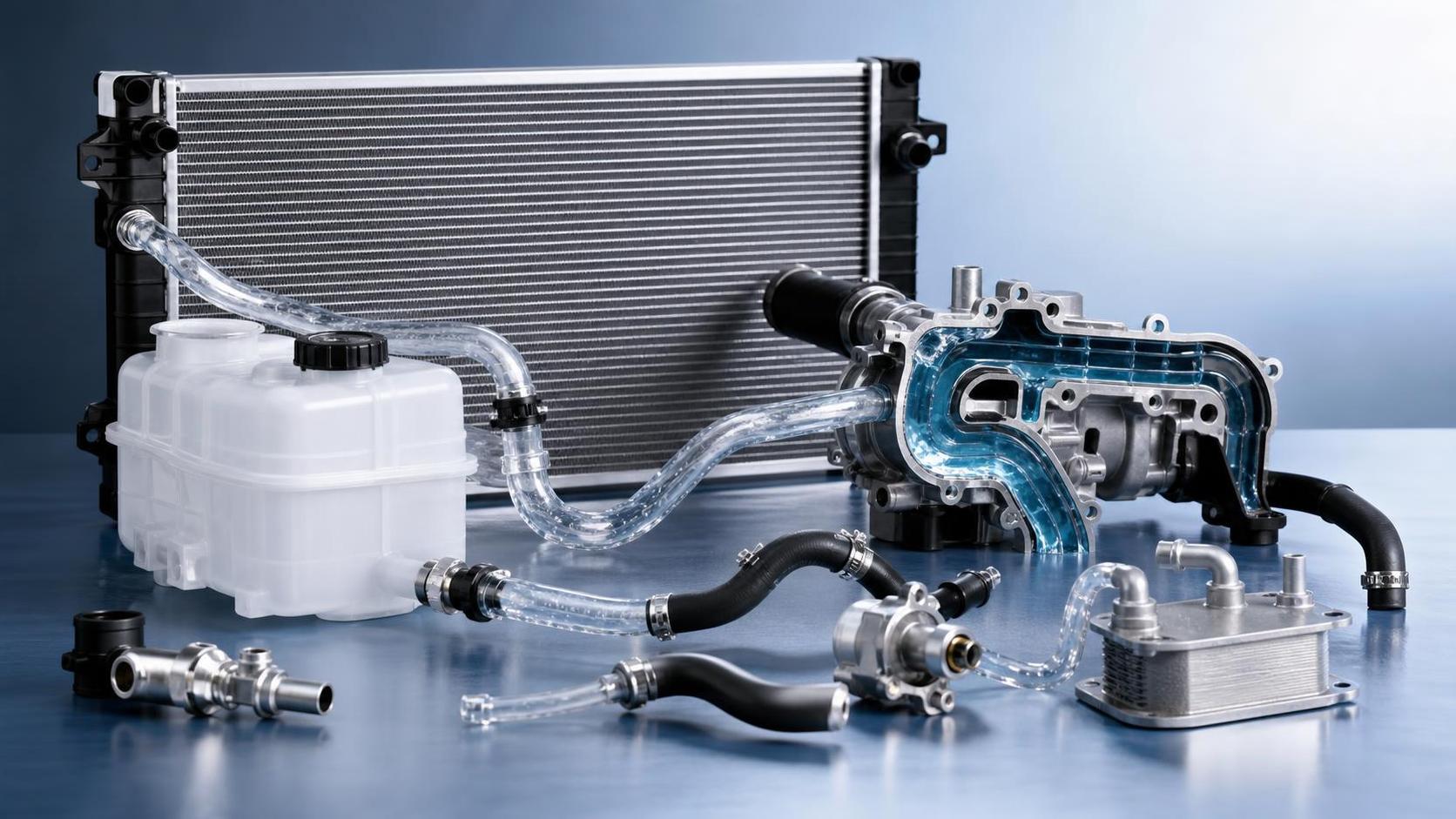
Start with the coolant already in the system
If you want a nissan radiator to last, the first useful question is not “Which coolant is best?” It is “What is in the radiator now, and what condition is it in?” A lot of radiator life gets lost during top-offs, partial drains, and emergency refills. The damage usually comes from mixing fluids that were never meant to work together.
Coolant does more than carry heat away. It also brings corrosion inhibitors, controls scale formation, lubricates the water pump, and helps protect aluminum, solder joints, rubber seals, and narrow coolant passages. When the chemistry is wrong, the radiator may still cool for a while, but internal corrosion and deposits start quietly. By the time overheating shows up, the service life has often already been shortened.
For drivers and operators, that means coolant choice is really a maintenance decision, not just a refill decision.
Check whether the coolant matches the radiator materials
Most modern Nissan cooling systems rely heavily on aluminum components, and aluminum is efficient at moving heat but less forgiving when coolant chemistry is neglected. A fluid that looks fine in the overflow bottle can still be too aggressive once inhibitor protection is depleted or the wrong additive package is present.
When choosing coolant, look at the product label and technical sheet for vehicle compatibility rather than relying on color alone. Color is not a specification. Green, blue, red, and yellow coolants can all be different chemistries depending on the brand. Two fluids with the same color may behave differently; two fluids with different colors may sometimes be compatible, but that only matters if the manufacturer says so in writing.
- Check the coolant type listed in the owner’s manual or service documentation.
- Compare that with the actual product name and specification on the container being used.
- If the current coolant in the system is unknown, treat the system as mixed or uncertain and plan a full drain and flush before switching types.
That last point matters. Topping off an unknown fluid with a “universal” coolant is one of the most common ways people create sludge, gel, or reduced inhibitor performance inside a radiator.
Do not judge coolant by freeze protection alone
Many operators pay attention to freezing weather and ignore everything else. Freeze protection matters, but radiator life depends just as much on corrosion control and heat transfer. A coolant that survives low temperatures but has weak or exhausted additive protection can still shorten the life of the radiator core.
The practical check is simple: make sure the coolant concentration is appropriate for the operating environment and that it has not been diluted repeatedly with plain water. Too much water reduces boiling protection and inhibitor strength. Too much concentrate can also hurt heat transfer and is not automatically better.
If you are topping off often enough to change concentration, do not keep guessing. Find the leak, repair it, and restore the proper mix. Repeated top-offs are how many healthy radiators turn into corroded ones.
Use the right water, or good coolant will still fail early
This is where a lot of avoidable radiator damage starts. Operators may spend money on the right coolant and then mix it with hard tap water. The result can be mineral scale inside the core tubes. Once scale forms, heat transfer drops and localized hot spots increase. In a Nissan radiator with narrow passages, that buildup does not need to be dramatic to become a problem.
For concentrate, use the water specified by the coolant manufacturer, typically deionized or distilled water. Premixed coolant removes that variable and is often the safer choice where workshop practices are inconsistent.
A useful field rule: if the fill source is the same tap used for washing floors, do not assume it belongs in the cooling system.
Look for signs that the coolant has already started damaging the radiator
You do not need a lab test to catch every problem early. There are visible clues that the coolant choice, condition, or maintenance routine is working against radiator life.
These signs do not always mean the radiator is finished, but they do mean coolant chemistry should be part of the diagnosis, not an afterthought.
Be careful with “universal” coolant claims
Universal coolants are popular because they simplify inventory and make emergency service easier. The problem is that “universal” on the front label can hide a long list of conditions in the technical details. Some are intended for broad compatibility during service. Others are better suited for complete fill after a properly cleaned system. Those are not the same use case.
If you operate one vehicle and know its cooling system history, using the coolant recommended for that application is usually the cleaner decision. Universal products become riskier when the system already contains unknown fluid, old deposits, or leftover water from an incomplete drain.
Read the compatibility section, not just the sales copy. If the product sheet explains whether it is suitable for top-off, full replacement, aluminum protection, and mixed-fleet use, you have something you can judge. If it stays vague, that is a warning sign.
Do not extend service life on old coolant just because the radiator still looks clean
Radiators often fail from what has been happening inside for months or years. Externally, the fins may look normal. The engine may not overheat in mild weather. That can create a false sense of safety.
Coolant inhibitors are consumable. Once they are depleted, corrosion can accelerate inside the radiator, heater core, pump housing, and passages. If you do not know the last change interval, do not assume the fluid is still protecting the system because the reservoir looks clear from above.
A sensible maintenance habit is to record three things every time the system is serviced:
- Coolant brand and exact product name
- Whether it was premix or concentrate
- Date and mileage or operating hours
That small record prevents a lot of guesswork later, especially when the vehicle changes hands or gets serviced by different people.
Match coolant choice to how the vehicle is actually used
Not every Nissan works under the same thermal load. City driving with short trips, long idle periods, towing, hot-climate operation, dusty roads, and repeated stop-and-go use all place different demands on the cooling system. A radiator that survives years in light commuting may age much faster when the vehicle is used for delivery work or consistent heavy load.
That does not mean you need a special coolant for every scenario. It means you should be stricter about using the correct specification, proper concentration, and timely replacement when operating conditions are severe. Hard use exposes weak coolant maintenance much faster than casual use does.
If a nissan radiator runs hot only on hills, with cargo, or with the air conditioning on, do not jump straight to replacing the radiator. Check the coolant condition and service history first. Many “radiator failures” begin as coolant management failures.
When switching coolant types, treat the changeover as a real service job
Switching from one chemistry to another is where shortcuts become expensive. Draining only the radiator and leaving old fluid in the engine block or heater circuit can leave enough residue to contaminate the new fill. The result may not be immediate, but it can show up later as deposit formation or declining corrosion protection.
A proper changeover usually means a full drain, a thorough flush if the previous fluid is unknown or degraded, and refilling with the correct premix or properly prepared concentrate. It also means bleeding air from the system as required. Trapped air creates hot spots and can make good coolant look like bad coolant.
If you are switching because of repeated overheating, contamination, or internal deposits, inspect the radiator cap and hoses at the same time. Coolant alone cannot correct a pressure-control problem or a collapsing hose.
A short checklist that actually helps in the workshop or yard
- Identify the coolant already in the system. If unknown, do not mix and hope for the best.
- Confirm the replacement fluid matches the required application, not just the color in the bottle.
- Use premix, or mix concentrate only with the specified water quality.
- Look for brown fluid, gel, crusting, or repeat overheating before assuming the radiator itself has failed.
- If changing coolant type, perform a full service, not a partial drain.
- Write down what was used and when. The next service decision depends on that record.
If the goal is longer radiator life, the best sequence is straightforward: identify the current fluid, match the chemistry correctly, avoid contaminated mixing water, and stop treating top-offs as a substitute for service. That approach does more for Nissan radiator durability than chasing additives or replacing parts before the coolant problem is understood.