



Honda Radiator Cost Approval: How to Balance Unit Price and Failure Risk
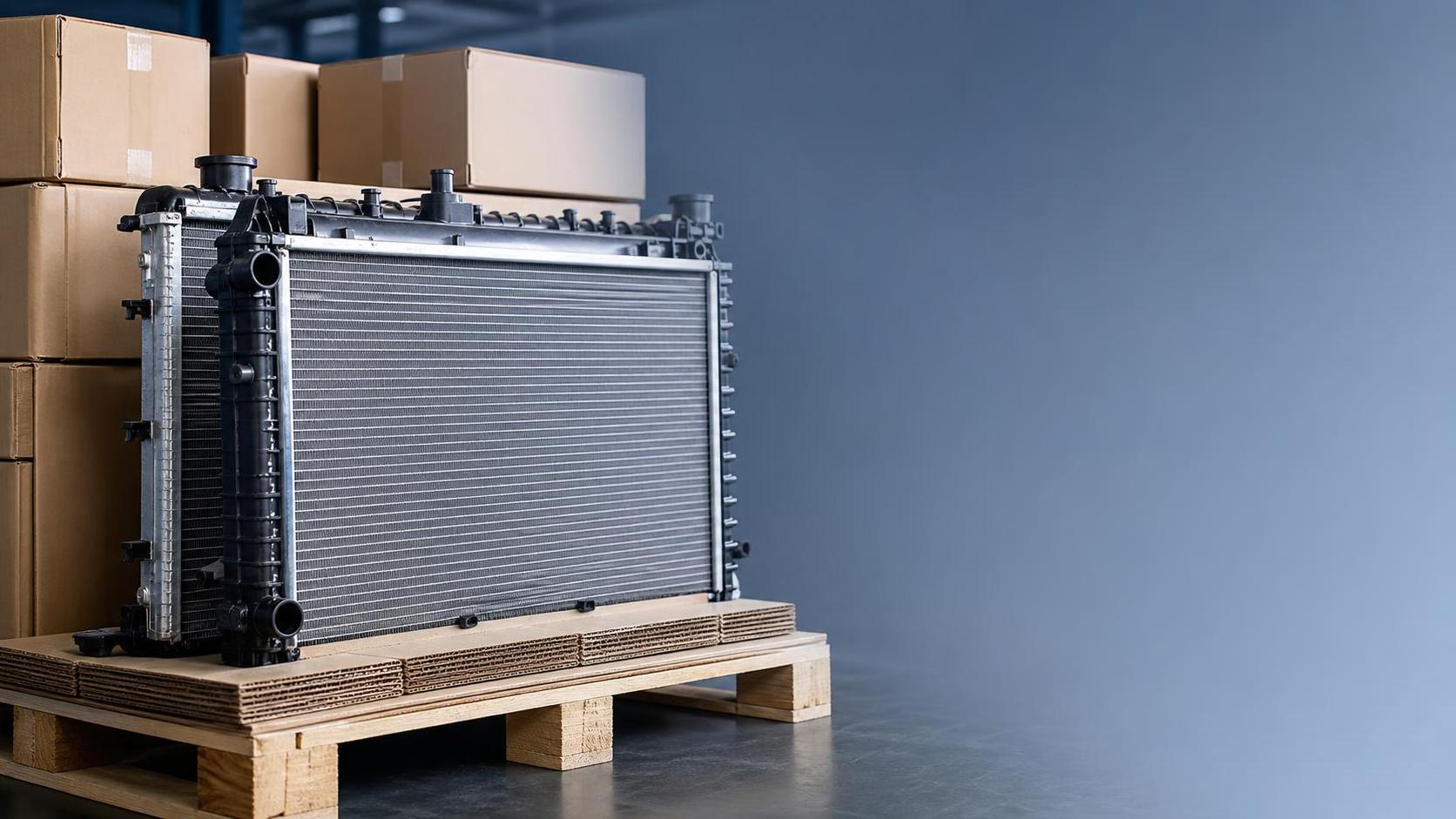
Start with the failure cost, not the quote
When a Honda radiator request lands on a finance desk, the easy move is to compare unit prices and approve the cheapest line. That usually looks efficient in a spreadsheet and expensive everywhere else. A radiator is one of those parts where a low purchase price can quietly turn into repeat labor, vehicle downtime, customer complaints, and warranty leakage.
For finance approvers, the real job is to decide whether the quoted cost is aligned with the risk profile of the purchase. A radiator that survives normal thermal cycles, installs without rework, and holds up over time is often the lower-cost decision even when the invoice says otherwise. Before approving any honda radiator order, work through the checks below in the same order the money is actually at risk.
Define what kind of purchase you are approving
Not every radiator purchase should be judged by the same standard. Replacement stock for routine aftermarket sales, emergency replenishment for a repair network, and supply for a fleet with downtime penalties are three different finance decisions.
- If the order supports urgent repairs, delay cost matters almost as much as part cost.
- If the order is for regular stock, return rate and fit consistency matter more than rush freight risk.
- If the end user is highly sensitive to downtime, a cheaper radiator can become the most expensive option in the whole job.
A common approval mistake is using one price target across all three cases. Finance needs the purchase purpose written clearly on the request. Without that, procurement tends to push for a lower unit price even when the operating risk says otherwise.
Check fitment accuracy before you discuss price concessions
A radiator that is technically “for Honda” is not automatically the right radiator. Approval should pause until the part is matched to the exact vehicle application used in your purchasing documents. The cost of a wrong-fit radiator is rarely limited to the part itself. It shows up as installation delay, reverse logistics, workshop congestion, and sometimes damaged confidence from the buyer who expected a quick repair.
The practical check is simple: make sure the request includes the precise vehicle reference used by your team for sourcing, not a broad product description. If the vendor quote is based on an incomplete application description, the low price is not yet real. It is still provisional until fitment risk is reduced.
Separate visible cost from landed cost
Finance approvals go wrong when the comparison is quote versus quote instead of landed cost versus landed cost. With radiators, the extras are not small enough to ignore.
If your approval sheet does not show these cost lines somewhere, it is leaning too heavily on purchase price and not enough on total exposure.
Ask what failure will look like in your channel
Failure risk is not just “will it leak.” In practice, finance should care about how a failed honda radiator creates cost in the specific sales channel. In wholesale, the damage often comes from returns, credit notes, and duplicated shipping. In workshop supply, the bigger issue is labor duplication and bay occupancy. In fleet maintenance, the real loss can be a vehicle sitting idle while a low-cost part gets replaced.
That means the approval question should be framed like this: if this radiator fails early, who pays first, and how much of that payment comes back to us? Once you look at it that way, a small difference in unit price stops looking decisive.
Review the warranty path, not just the warranty promise
A supplier can mention warranty support and still leave you carrying most of the operational loss. Finance should check how claims are handled in practice.
- What documents are required to open a claim?
- Is the process part replacement only, or does it address associated loss categories where your contract allows them?
- Who carries the shipping burden for rejected or inspected parts?
- How quickly is a disposition made?
This is where many cost approvals go soft. A finance team sees a warranty term and treats it as risk coverage. It is only coverage if the claim path is usable at the volume and speed your business actually needs.
Pay attention to consistency between batches
The first batch is rarely the whole story. Radiator sourcing problems often come from variation between shipments rather than a single catastrophic defect. One batch installs cleanly. The next batch shows alignment issues, cosmetic damage, or a higher leak rate. Finance teams usually feel this later, through claims and margin erosion, after the original approval is long forgotten.
So do not approve on sample price alone. Ask whether the quote is tied to a repeatable supply arrangement or just a one-time offer. If procurement cannot show a stable replenishment path, the low number on the first purchase may simply be an entry price that does not hold.
Look for the hidden cost of emergency replenishment
A low-cost radiator line can create a second order you never planned for. When stock turns out to be unusable, delayed, or heavily returned, the business often solves the problem with emergency buying. That means smaller quantities, weaker price leverage, faster freight, and extra internal handling. The original approval looked cheap because the follow-up purchase was booked somewhere else.
One practical control is to ask procurement to show whether the quoted supplier can support normal replenishment lead times for the quantity being approved. If not, include contingency cost in the decision rather than pretending it will not happen.
Do not ignore packaging and handling risk
Radiators are vulnerable to damage that is expensive precisely because it often appears after shipping, unpacking, or installation prep. Bent fins, stressed joints, or connection damage can turn a saleable part into a return without any obvious manufacturing fault. For finance, that means the packaging decision belongs inside cost approval, not outside it.
If the quote savings depend on lighter protection or reduced packing controls, treat that discount carefully. A small packaging downgrade can wipe out the price advantage once damage claims start showing up.
Match supplier profile to the risk level of the order
A finance approver does not need to run technical production audits, but you do need to judge whether the supplier profile fits the order you are funding. A manufacturer focused on radiator-related products with established production and export activity may be easier to work with on continuity, issue handling, and communication than a trader quoting opportunistically. That does not mean every manufacturer is the right choice or every trading source is the wrong one. It means the approval standard should rise when the order value, repeat potential, or warranty exposure rises.
The mistake here is approving a strategic purchase with the same tolerance you would use for a small, low-risk test order.
Use a simple approval screen before release
Before signing off, run the request through a short decision screen. Not a long internal form. Just the questions that catch expensive errors.
- Is the vehicle application specific enough to reduce fitment risk?
- Is the comparison based on landed cost, not quoted price alone?
- If early failure occurs, can we absorb the return, labor, and downtime impact?
- Does the supplier’s claim process work at the speed our channel requires?
- Is this quote part of a stable supply plan or only a one-off low price?
- Would emergency replenishment erase the current savings?
If two or more answers are weak, the decision is not really “approve or reject.” The better move is usually “pause and tighten the purchasing terms.”
What a finance team should approve
The strongest honda radiator approval is not the one with the lowest visible cost. It is the one where the likely total cost has been narrowed, the failure path is understood, and the supplier arrangement fits the business consequence of a bad part. That is the difference between buying a radiator and approving a cost position.
Work in this order: confirm application, convert quote to landed cost, map failure consequences, test the warranty process, then decide whether the unit price still makes sense. If the cheaper option survives all five checks, approve it confidently. If it only looks good in the first column of the spreadsheet, it is probably not the cheaper option at all.