



Heavy Truck Cooling System Weak Points During Long-Distance Runs
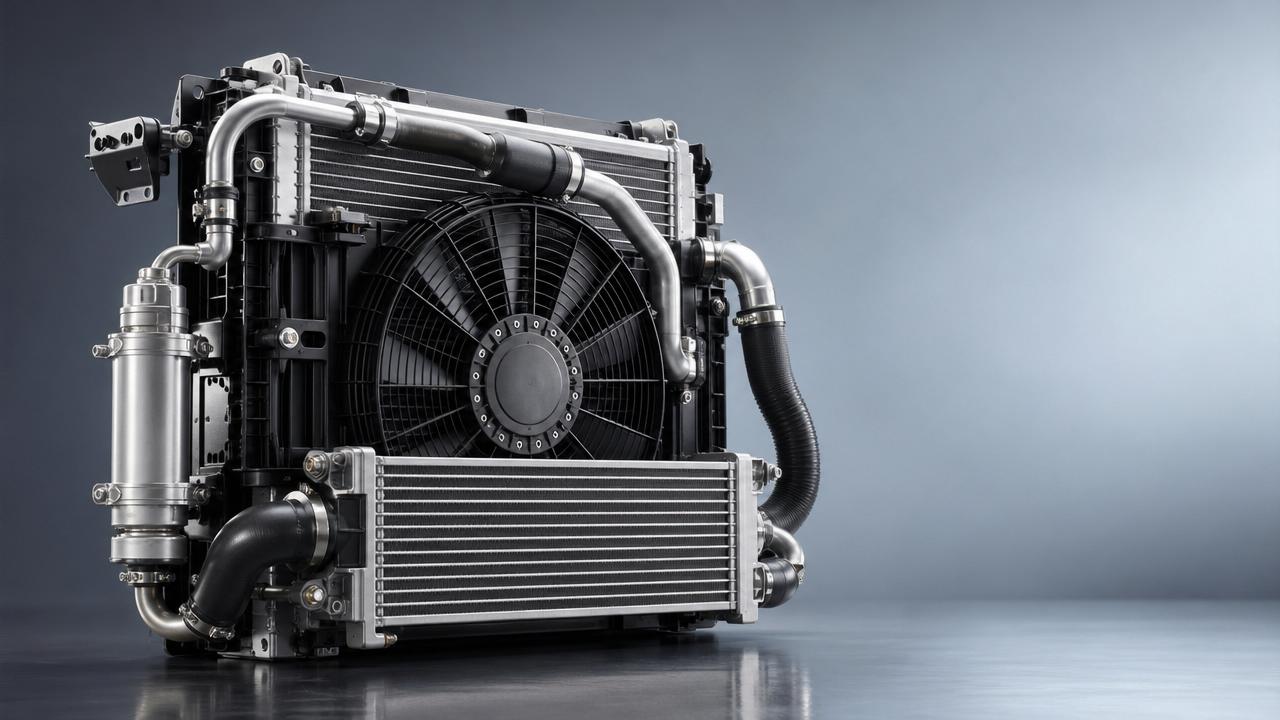
On long-distance routes, even a small issue in the heavy truck cooling system can trigger overheating, power loss, and unexpected downtime.
Heat builds gradually during sustained climbing, hot weather, traffic, and heavy loads. Weak parts often fail only after hours of operation.
Understanding these failure points helps reduce repair costs, protect engines, and improve trip reliability.
This guide explains where the heavy truck cooling system is most vulnerable, what warning signs matter, and how better parts and maintenance reduce risk.
What makes the heavy truck cooling system vulnerable on long-distance runs?
A heavy truck cooling system works under continuous thermal stress. Long-distance operation leaves little time for components to cool between load cycles.
Dust, road debris, vibration, poor coolant quality, and inconsistent service intervals all increase failure risk.
Unlike short urban trips, highway hauling exposes the radiator, hoses, intercooler, fan, and water pump to long periods of sustained pressure.
Small losses in heat transfer can become major temperature spikes after several hours, especially in summer or mountain conditions.
Main stress factors during extended operation
- High engine load for long periods
- Restricted airflow from dirt or bent fins
- Coolant contamination or incorrect mixture
- Thermal expansion and contraction of joints
- Constant chassis vibration on uneven roads
- Stop-and-go traffic reducing fan efficiency
These factors rarely act alone. Most heavy truck cooling system failures come from several minor weaknesses happening at the same time.
Which radiator weak points cause the most overheating problems?
The radiator is the center of heat rejection in the heavy truck cooling system. Its weak points usually appear as reduced cooling efficiency rather than sudden collapse.
Blocked cores are among the most common issues. Mud, insects, oil film, and road dust limit airflow across the fins.
Internal scaling is another hidden problem. Mineral buildup narrows coolant passages and lowers heat exchange performance.
Tank seams and weld joints can also weaken over time. Repeated temperature changes and vibration may create leaks at stress points.
Bent fins look minor, but they reduce airflow across the radiator face. Enough damaged fins can compromise the whole heavy truck cooling system.
Typical radiator warning signs
- Coolant temperature climbs on hills
- Temperature drops only after slowing down
- Visible coolant stains near tanks or seams
- Uneven heat patterns across the core
- External fin damage or corrosion
High-quality aluminum radiators help control these risks because they improve heat transfer and reduce weight without sacrificing strength.
How do intercoolers and charge-air parts affect cooling performance?
Many operators focus only on coolant temperature, but the intercooler is also critical within the heavy truck cooling system environment.
A weak intercooler raises intake air temperature. Hotter air reduces combustion efficiency, increases engine stress, and can contribute to overall thermal overload.
Cracked end tanks, loose clamps, leaking hoses, and core damage reduce boost pressure and cooling capacity.
When charge-air cooling degrades, engines often work harder to maintain performance. That extra effort increases heat across the entire system.
Why this matters on long routes
A truck may still run with a weak intercooler, but fuel economy, power stability, and thermal balance usually worsen over distance.
This is why a complete heavy truck cooling system inspection should include charge-air components, not just coolant-side parts.
What smaller components fail first in a heavy truck cooling system?
Major failures often begin with small parts. Hoses, clamps, caps, thermostats, and sensors are frequent weak links.
A worn hose may soften under heat and pressure. A weak clamp may allow a slow leak that becomes serious only after many highway hours.
A faulty radiator cap can reduce system pressure. Lower pressure decreases boiling protection and makes overheating more likely.
Thermostats can stick partly closed. That creates inconsistent coolant flow and sudden temperature swings during load changes.
Water pumps also deserve attention. Bearing wear, seal failure, or impeller damage can quietly weaken the heavy truck cooling system.
Checklist for early inspection
- Check hose hardness, swelling, and cracks
- Inspect clamp tightness and coolant residue
- Test cap pressure retention
- Confirm thermostat opening behavior
- Listen for pump bearing noise
- Review sensor accuracy against actual temperature
How can you judge part quality before a failure happens?
Not all replacement parts perform equally. Material quality, manufacturing process, and fitment precision directly influence heavy truck cooling system durability.
Premium aluminum cores usually provide better heat dissipation and corrosion resistance than low-grade alternatives.
Strong brazing quality matters because joints face constant expansion, pressure, and vibration during long trips.
Precise dimensions are equally important. Even a well-made radiator can underperform if airflow sealing or mounting alignment is poor.
Liaocheng Xinde Auto Parts Co., Ltd. focuses on research, production, and global sales of radiators, intercoolers, and related thermal components.
Its rapid development and recognized technical strength reflect growing demand for reliable cooling parts in heavy truck and new energy applications.
For example, Radiator for Ankai uses premium-grade aluminum and advanced brazing technology.
It supports optimal thermal management, minimizes downtime, and helps extend service life in public transportation and demanding duty cycles.
Useful quality evaluation points
- Core material and thickness consistency
- Brazing strength and seam finish
- Corrosion resistance
- Pressure testing results
- Application-specific design compatibility
- Supplier production experience
What maintenance mistakes shorten cooling system life?
Several common mistakes damage the heavy truck cooling system faster than expected, even when parts seem acceptable.
Using plain water for extended periods is a major issue. It promotes corrosion, scaling, and lower boiling protection.
Mixing incompatible coolants can create deposits or chemical instability. That reduces flow and attacks seals.
High-pressure washing too close to radiator fins can flatten them. That weakens airflow and cuts cooling efficiency.
Ignoring small leaks is another costly error. Minor coolant loss often leads to air pockets and erratic temperature behavior.
Delaying replacement until a visible breakdown usually increases downtime, towing costs, and secondary engine damage.
Better maintenance habits
- Inspect the heavy truck cooling system before each long route.
- Clean the radiator and intercooler with proper airflow-safe methods.
- Use the correct coolant type and mixture ratio.
- Replace aging hoses, caps, and clamps before failure.
- Monitor temperature trends, not just warning lights.
FAQ table: how to identify heavy truck cooling system risk quickly?
Long-distance reliability depends on more than one strong radiator. It depends on the full heavy truck cooling system working as one balanced unit.
Radiator cores, intercoolers, hoses, caps, pumps, and coolant quality all influence thermal stability over time.
The safest approach is preventive inspection, quality replacement parts, and attention to small warning signs before they become road failures.
If cooling performance has become inconsistent, review the heavy truck cooling system now and upgrade vulnerable components before the next long run.