



Heavy Truck Cooling System Warning Signs You Should Not Ignore
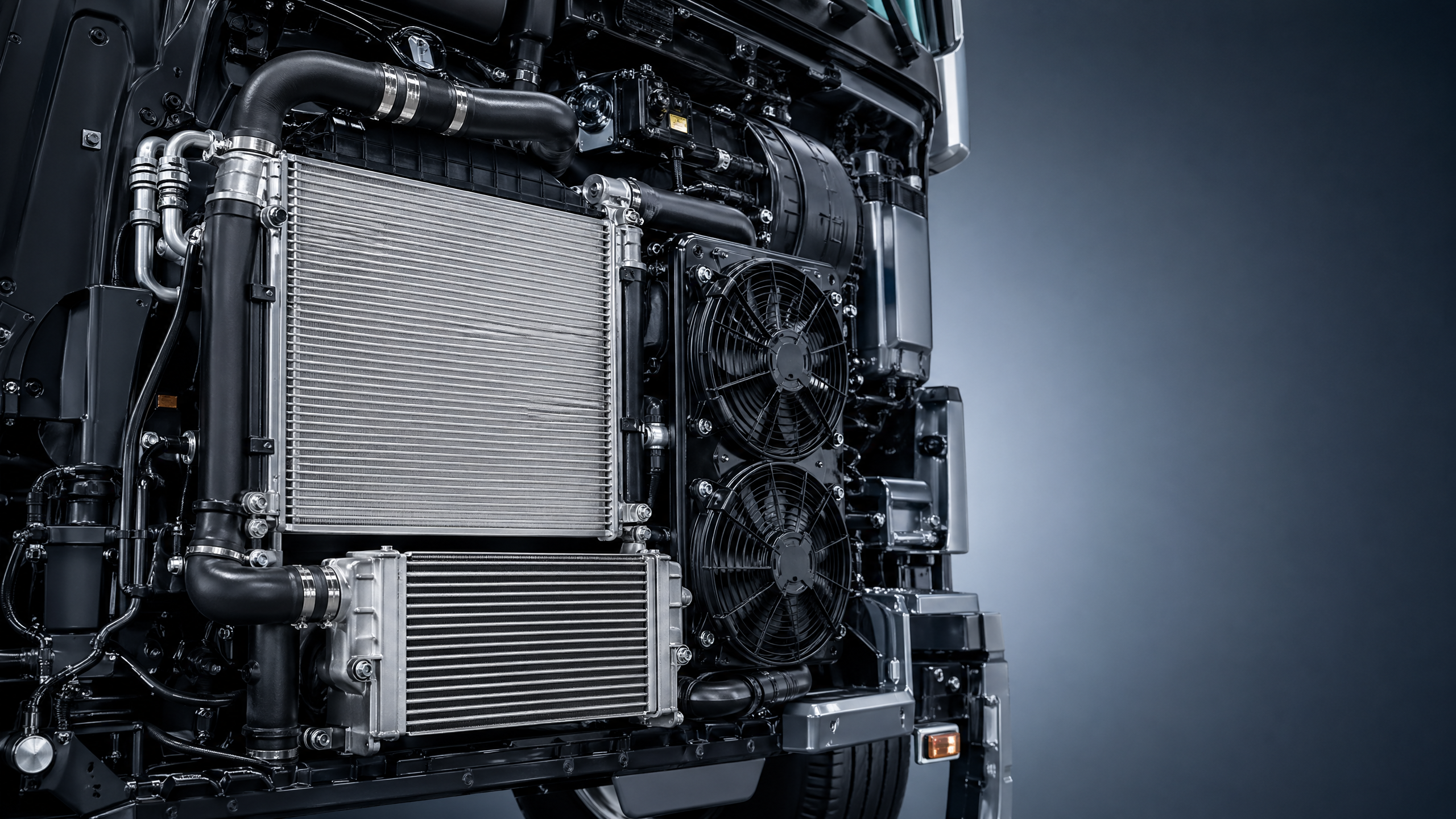
Ignoring early issues in a heavy truck cooling system can lead to overheating, costly breakdowns, and lost time on the road. From coolant leaks and rising engine temperatures to unusual smells or weak cabin heat, the warning signs often appear before major damage happens. Understanding these symptoms helps drivers and truck owners act quickly, protect engine performance, and avoid expensive repairs.
For end users, cooling problems are rarely just a maintenance inconvenience. A single temperature-related failure can interrupt delivery schedules, increase fuel waste, and shorten engine life. In heavy-duty applications, where trucks often run long distances under full load, the heavy truck cooling system is one of the most important assemblies supporting safe and stable performance.
This guide explains the warning signs you should never ignore, why they happen, and how to respond before minor faults become major repairs. It also looks at practical replacement and parts selection points, especially for buyers who want reliable radiators, intercoolers, and related components from experienced manufacturers such as Liaocheng Xinde Auto Parts Co., Ltd., a company focused on water tank radiators, heavy truck cooling parts, construction machinery radiators, and new energy radiator modules since 2018.
Why Cooling System Warnings Matter in Heavy-Duty Use
A heavy truck cooling system works under far more demanding conditions than the cooling setup in a passenger vehicle. Long uphill climbs, stop-and-go freight traffic, ambient temperatures above 35°C, and repeated high-load operation can push coolant, radiator cores, hoses, and fan systems close to their working limits for hours at a time.
When cooling efficiency drops even by a small margin, the effect can build quickly. Engine operating temperature may rise 5°C to 15°C above normal before the driver notices a serious problem. That small increase can reduce lubricant protection, raise internal component stress, and create a chain reaction involving the thermostat, water pump, and cylinder head area.
For most truck owners, the real cost is not only the part itself. It includes downtime, towing, delayed cargo, labor, and possible secondary damage. Replacing a hose or cap early may take less than 1 hour, while ignoring overheating can lead to several days of repair work and significantly higher parts costs.
The Most Common Performance Risks
Cooling system failure often starts with a small restriction, leak, or circulation issue. Drivers may see the temperature gauge climbing during long hauls, while fleet owners may notice more frequent coolant top-offs every 1 to 2 weeks. Both are early signs that the system is losing pressure, flow, or heat transfer efficiency.
- Coolant loss that requires repeated refilling within 7 to 10 days
- Engine temperature rising above the normal operating range during loaded driving
- Visible corrosion, damaged fins, or wet spots near the radiator tank seams
- Poor cabin heater output in cold weather, which may suggest circulation or low coolant problems
These risks are especially important for owner-operators and end consumers who depend on stable daily performance. A healthy heavy truck cooling system supports engine durability, more predictable maintenance intervals, and better operating confidence in summer, winter, and mixed road conditions.
What End Users Should Monitor Weekly
A simple 10-minute inspection once a week can help detect issues before they become expensive. Check coolant level, look for dried residue around hose joints, inspect the radiator face for blockage, and confirm that the temperature gauge stays consistent during both unloaded and loaded operation. Small changes over 2 to 3 trips can reveal an emerging fault.
Key Warning Signs You Should Not Ignore
The most obvious warning is overheating, but many cooling failures begin with less dramatic symptoms. A heavy truck cooling system usually gives several signals before total breakdown. Recognizing them early gives drivers time to schedule inspection, replace worn components, or clean restricted airflow paths before engine protection is compromised.
Coolant leaks are one of the clearest red flags. Leaks may appear under the truck after parking, around the radiator side tanks, near hose clamps, or around the water pump area. Even a slow leak can lower system pressure, which reduces the coolant boiling point and makes overheating more likely during high-load driving.
Another common sign is rising temperature under specific conditions. If the gauge stays normal on flat roads but climbs during uphill pulls, idling, or slow traffic, the issue may involve reduced airflow, internal radiator blockage, weak fan performance, or poor coolant circulation. These symptoms should be checked within 24 to 72 hours rather than delayed.
Symptom-to-Cause Quick Reference
The table below helps truck owners match visible warning signs with likely causes and practical next actions. It is not a substitute for full diagnosis, but it provides a useful first screening method for common heavy truck cooling system issues.
The key point is that warning signs are often connected. For example, low coolant, weak heater output, and intermittent overheating may all trace back to the same leak or circulation problem. Diagnosing the pattern instead of chasing one symptom at a time saves both labor hours and replacement cost.
Less Obvious Symptoms That Deserve Attention
Drivers sometimes overlook unusual smells, repeated fan cycling, or coolant discoloration. Brownish coolant can suggest rust or contamination, while oily film may point to a more serious internal issue. If coolant appears dirty after less than 6 months of service, the system should be inspected for corrosion, mixing errors, or internal wear.
Another subtle clue is reduced cooling reserve. The truck may run normally in mild weather, then overheat when the ambient temperature rises from 20°C to 32°C. This often means the system is already marginal and can no longer handle peak thermal load. Waiting for a full failure usually leads to higher repair bills.
What Causes Cooling System Trouble in Heavy Trucks
Most heavy truck cooling system failures do not come from one dramatic event. They usually result from wear, contamination, vibration, heat cycling, and inconsistent maintenance over time. Components such as radiators, hoses, tanks, clamps, thermostats, and intercooling-related passages all operate as part of one system, so a weakness in one area affects the rest.
Radiator efficiency is a major factor. External blockage from mud, dust, insects, and road debris can reduce airflow across the fins. Internal scale or contaminated coolant can reduce heat transfer inside the tubes. In trucks operating in construction or mixed-road conditions, checking for blockage every 2 to 4 weeks is often more realistic than waiting for standard long-interval service.
Pressure retention is another common problem. A weak cap, cracked hose, or aging seal may not look severe, but once system pressure drops, coolant can boil earlier under load. This is why a truck that performs normally on short local routes may show overheating on longer trips over 150 to 300 kilometers.
Common Failure Sources by Component Area
Breaking the cooling system into component zones helps owners understand where faults typically begin and which parts deserve priority during inspection or replacement planning.
This breakdown shows why replacing only one visible part does not always solve the problem. If a radiator is new but airflow is blocked or coolant quality is poor, the heavy truck cooling system can still overheat. A full-system approach is more dependable than single-part guessing.
Where Quality Parts Make a Difference
Reliable manufacturing matters most in the radiator core, tank sealing, and material consistency. End users should look for suppliers with clear product focus, stable production capability, and experience in export-oriented heavy-duty cooling parts. Liaocheng Xinde Auto Parts Co., Ltd., with investment of 50 million RMB and rapid development since 2018, is positioned in this area through manufacturing and global sales of radiators, intercoolers, and related components for heavy trucks and new energy applications.
How to Inspect, Maintain, and Respond Before Damage Escalates
Preventive action is the most cost-effective way to protect a heavy truck cooling system. End users do not always need advanced tools to catch early issues. A consistent routine before departure, after long routes, and at scheduled service intervals can reduce the chance of sudden overheating and improve replacement timing.
Start with visual inspection. Check the radiator face, hose joints, expansion tank level, and the area under the parked truck. Then observe performance signs during operation: gauge behavior, warning lights, fan activity, and whether heat output inside the cabin feels weaker than usual. A pattern across 2 or 3 trips is often more useful than a one-time observation.
If temperature begins rising, avoid removing the cap while the system is hot. Park safely, allow sufficient cooling time, and inspect carefully. Opening a pressurized system too early can be dangerous. If coolant loss is obvious, towing may be safer than attempting to continue a fully loaded trip for another 50 to 100 kilometers.
Practical 5-Step Check Routine
- Inspect coolant level before the first run of the day and compare with the previous week.
- Look for white, green, or rust-colored residue around radiator seams and hose joints.
- Check the front of the radiator and intercooler for dust, insects, or bent fins that restrict airflow.
- Monitor gauge stability during idle, city traffic, and loaded uphill driving.
- Schedule a pressure test if coolant needs refilling more than once within 7 days.
These steps are simple, but they help owners make better decisions about repair urgency. In many cases, catching a small leak or restricted radiator early prevents a much larger service bill later. Even for independent truck owners, disciplined inspection is often more valuable than reactive repairs.
Maintenance Intervals That Make Sense
Service frequency depends on route conditions, climate, and truck age. For normal road use, a visual cooling inspection every 1 to 2 weeks is practical. For dusty work sites, mixed-road fleets, or older vehicles, inspection may need to happen every 3 to 5 operating days. Coolant replacement intervals should follow the vehicle specification, but contamination signs should trigger earlier review.
When replacing parts, compare not only fitment but also operating environment. For example, trucks that face repeated high ambient heat or heavy payloads may benefit from stronger thermal management margins rather than choosing the cheapest available replacement. That principle applies across heavy trucks and even premium passenger platforms that require stable radiator performance, such as the Radiator for Hongqi, model EQM5, OE NO. 1301010HA01, designed for luxury engines, new energy systems, H series sedans, and HS luxury SUVs with a 6-month warranty.
Choosing Replacement Parts That Support Long-Term Reliability
When a heavy truck cooling system needs replacement parts, buying decisions should focus on application fit, material quality, thermal efficiency, and supplier capability. End users often compare price first, but low-cost parts can become expensive if they fail early, leak under pressure, or deliver inconsistent cooling in summer hauling conditions.
A reliable radiator or related cooling component should match the truck’s use profile, not just its nominal model reference. Long-distance freight, construction support, and regional stop-and-go distribution place different demands on airflow, vibration resistance, and heat rejection. The right part is the one that remains stable under the actual duty cycle, not only during short workshop testing.
Supplier background also matters. Companies with defined manufacturing focus, production experience, and product specialization can usually support more consistent quality control. Liaocheng Xinde Auto Parts Co., Ltd. has built its business around radiators, intercoolers, construction machinery radiators, and new energy radiator modules, which is relevant for buyers seeking application-based cooling solutions rather than generic trading-only supply.
Replacement Part Evaluation Checklist
Before ordering, buyers can use the following checklist to compare options more clearly and avoid mismatched or short-life components.
For end consumers, this checklist creates a more balanced purchase decision. It shifts the discussion from “Which part is cheapest today?” to “Which part is more likely to keep the truck working over the next 6 to 12 months with fewer interruptions?” That is the more useful measure of value in cooling system maintenance.
A Note on Cross-Application Cooling Expertise
Although heavy-duty truck requirements are the main focus here, strong cooling manufacturers often serve multiple platforms. For example, products engineered to maintain peak performance, quiet efficiency, and long-term reliability in premium or new energy applications show how thermal management expertise can transfer across categories when design and fitment are handled correctly.
FAQ for Truck Owners and End Users
Many end users ask similar questions once temperature problems appear. The answers below focus on practical decision-making for drivers, owner-operators, and truck owners who need dependable heavy truck cooling system performance without unnecessary downtime.
How often should I inspect the cooling system?
For normal operation, a quick inspection every 1 to 2 weeks is a reasonable minimum. If the truck works in dust, construction zones, mountain routes, or high ambient temperatures, inspecting every 3 to 5 operating days is safer. Any repeat coolant loss or temperature fluctuation should move the inspection forward immediately.
Can I keep driving if the temperature only rises sometimes?
Intermittent overheating is still a warning sign. If the gauge rises during traffic, climbing, or heavy loads, the heavy truck cooling system is already under stress. Limited short-distance movement to a workshop may be possible in some cases, but continuing regular operation for several days increases the risk of severe engine damage.
What parts are most often replaced first?
Common first replacements include hoses, clamps, radiator caps, and radiators with visible leakage or blocked cores. Thermostats and water pumps are also frequent service items when overheating repeats. The best repair plan depends on diagnosis, because replacing one low-cost part without checking system pressure or circulation may not solve the real problem.
What should I ask a supplier before buying a radiator?
Ask about fitment confirmation, application range, material consistency, warranty period, and whether the supplier has experience with heavy truck or related thermal management products. It is also useful to confirm response time for technical questions and whether the part is intended for long-haul, high-load, or mixed-duty use.
Cooling issues rarely fix themselves. If you notice coolant loss, rising engine temperature, weak cabin heat, or visible radiator wear, treat them as early warnings rather than minor inconveniences. A well-maintained heavy truck cooling system protects engine life, helps avoid unplanned stops, and supports more predictable operating costs.
For buyers looking for dependable radiator and cooling component solutions, working with a specialized manufacturer can reduce sourcing risk and improve long-term performance. Liaocheng Xinde Auto Parts Co., Ltd. focuses on radiators, intercoolers, construction machinery radiators, and new energy radiator modules for global markets, offering a practical supply direction for end users who value stable quality and application-oriented support.
If you need help choosing the right replacement part, confirming fitment, or comparing cooling solutions for your vehicle, contact us today to get product details, discuss your application, and explore a more reliable path to heavy-duty cooling performance.