



Heavy Truck Cooling System Upgrades Gaining Attention in 2026
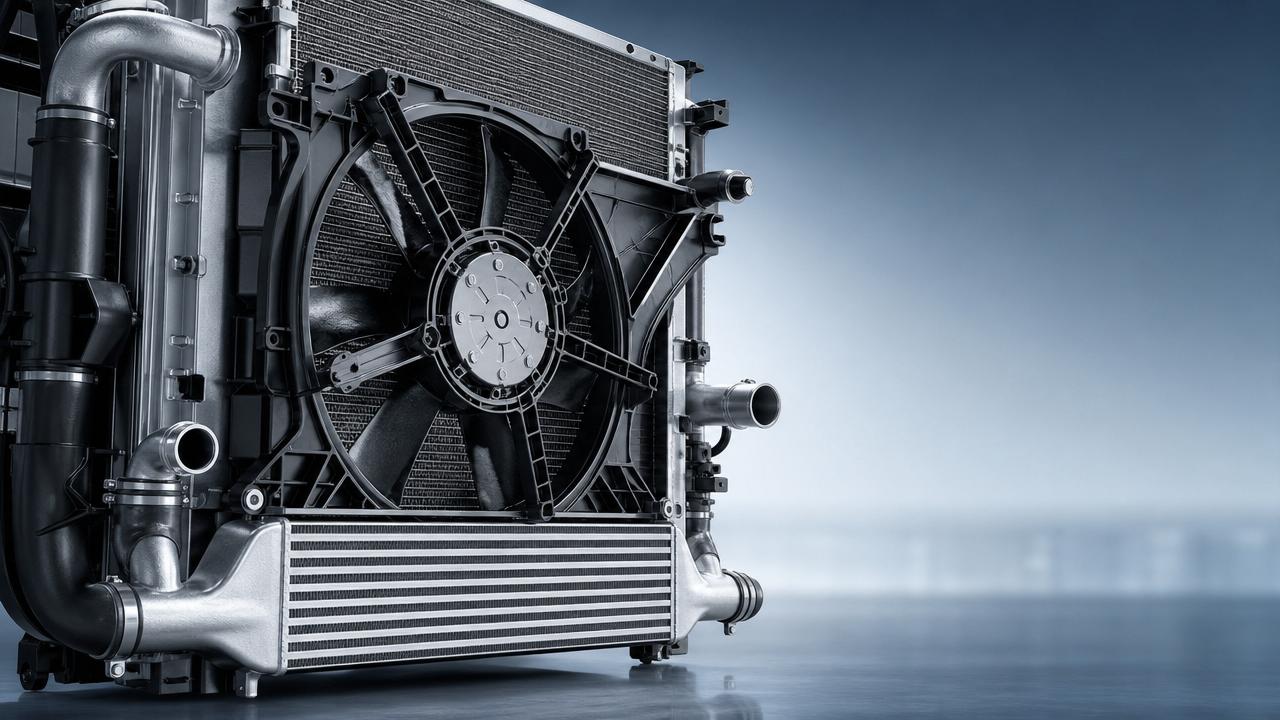
As fleet operators and OEMs prepare for stricter performance demands in 2026, heavy truck cooling system upgrades are becoming a strategic priority.
From improved radiator efficiency to advanced intercooler and new energy thermal solutions, attention is shifting toward uptime, durability, and operating cost control.
In the parts industry, the heavy truck cooling system is no longer a passive support unit. It now directly affects engine protection, emissions stability, fuel economy, and service intervals.
This trend matters across global transport, construction, mining, and mixed-duty logistics. Stronger thermal management helps equipment stay reliable under heavier loads and hotter operating cycles.
Liaocheng Xinde Auto Parts Co., Ltd., founded in 2018, focuses on water tank radiators, intercoolers, construction machinery radiators, and new energy radiator modules.
Its growth reflects a wider market shift: cooling components are moving from standard replacement items to performance-critical engineering decisions in 2026.
Heavy truck cooling system fundamentals in 2026
A heavy truck cooling system manages engine heat, charge air temperature, and sometimes battery or power electronics temperature in newer vehicle platforms.
Its core parts often include the radiator, intercooler, fan assembly, hoses, tanks, coolant passages, and mounting structures.
When thermal balance fails, engines lose efficiency, lubrication quality declines, and unplanned downtime becomes more likely.
In 2026, upgrades focus less on simple size increases. More attention goes to airflow efficiency, material strength, vibration resistance, and optimized heat exchange surfaces.
A modern heavy truck cooling system must also support stricter emissions strategies, higher combustion temperatures, and more compact under-hood packaging.
Key performance indicators
- Heat rejection capacity under peak load
- Resistance to pressure cycling and thermal fatigue
- Airflow efficiency across radiator and intercooler cores
- Corrosion resistance in varied climates
- Serviceability and replacement convenience
Industry signals driving heavy truck cooling system upgrades
Several market signals explain why the heavy truck cooling system is receiving greater attention heading into 2026.
These signals change how buyers evaluate a heavy truck cooling system. Purchase decisions increasingly consider lifecycle reliability instead of only initial price.
That shift benefits suppliers able to combine research capability, production consistency, and global application knowledge.
Why performance upgrades matter for parts selection
A better heavy truck cooling system protects far more than coolant temperature. It supports stable engine calibration, lowers thermal stress, and reduces failure risk in adjacent assemblies.
In practical terms, cooling upgrades can improve road reliability, maintain power consistency, and help extend maintenance intervals.
For replacement parts, dimensional accuracy is equally important. Poor fit can reduce airflow, create vibration points, and shorten service life.
Material quality also matters. Strong brazing, consistent tube structure, and reliable tank sealing improve heavy truck cooling system durability under repeated load cycles.
Main upgrade benefits
- Lower overheating risk during steep grades and full-load transport
- More stable intake air temperatures for turbocharged engines
- Reduced downtime caused by leaks or blocked cores
- Better support for regional climate differences
- Improved total cost of ownership over long service cycles
Typical application scenarios for a heavy truck cooling system
Not every application places the same demand on a heavy truck cooling system. Selection should reflect duty cycle, terrain, climate, and maintenance conditions.
For platform-specific replacement needs, fitment remains essential. An example is RADIATOR FOR MAN XD145.
This unit corresponds to OEM 81061016492, with a size of 590*610 for Man applications, supporting accurate integration within the cooling package.
What the market expects from suppliers in 2026
As heavy truck cooling system requirements rise, supplier capability becomes a core selection factor.
The market expects more than a standard catalog. It values engineering support, process control, test consistency, and broad product coverage.
Liaocheng Xinde Auto Parts Co., Ltd. has built its position around radiator and intercooler specialization, including construction machinery radiators and new energy radiator modules.
Its rapid development since 2018 and recognition as a High-tech Enterprise reflect the rising importance of technical strength in the parts sector.
For a heavy truck cooling system, dependable manufacturing means stable core structure, consistent dimensions, and confidence across export markets.
Supplier evaluation points
- Product range covering radiator, intercooler, and related modules
- Application knowledge across truck and machinery platforms
- Evidence of quality control and technical development
- Ability to support global sales and long-term cooperation
Practical guidance for selecting a heavy truck cooling system
Selection should start with operating reality, not only part number matching. A heavy truck cooling system must suit actual thermal load and service conditions.
- Confirm OEM reference, dimensions, mounting points, and airflow direction.
- Review climate exposure, dust level, road condition, and duty intensity.
- Check material design for corrosion resistance and vibration endurance.
- Assess whether intercooler and radiator performance are balanced.
- Consider lifecycle value, not only purchase cost.
It is also wise to review future compatibility. In 2026, thermal systems are increasingly linked with broader powertrain efficiency targets.
That means a heavy truck cooling system chosen today should still support tomorrow’s operating pressures and regulatory expectations.
Where exact platform matching is needed, solutions such as the second reference to RADIATOR FOR MAN XD145 show the value of targeted fitment data.
Forward outlook and next-step considerations
The 2026 market is making one point clear: the heavy truck cooling system is becoming central to reliability strategy, not just component maintenance.
Better radiator and intercooler design can support uptime, protect engines, and reduce long-term service cost in demanding environments.
Businesses reviewing cooling components should compare current failure points, duty cycles, and fitment needs before planning the next replacement cycle.
A structured review of heavy truck cooling system requirements often reveals clear upgrade priorities, especially in heat-intensive or high-mileage operations.
With specialized manufacturers expanding product depth and thermal expertise, 2026 offers a practical moment to align cooling parts with performance goals.
The next step is straightforward: verify application data, compare cooling performance requirements, and choose components built for stable, long-cycle service.