



Heavy Duty Truck Radiator Replacement: When Flushing Is Not Enough
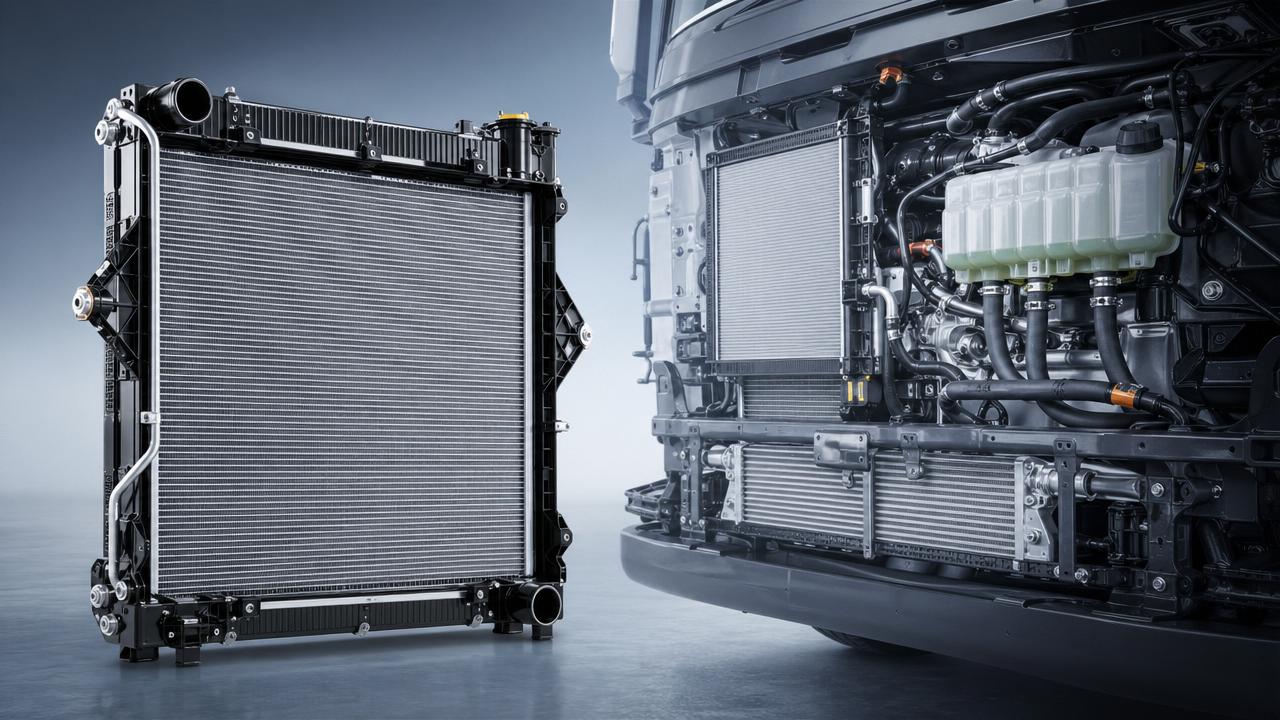
When overheating, coolant loss, or recurring corrosion keeps returning after service, heavy duty truck radiator replacement may be the only reliable solution. For aftermarket maintenance professionals, knowing when flushing is no longer enough helps reduce downtime, protect engine performance, and avoid repeat repairs. This guide explains the key warning signs, practical inspection points, and how to choose a durable replacement radiator for demanding truck applications.
In heavy truck service, the radiator is not just a heat exchanger. It is part of a wider thermal management system that protects the engine, charge air path, transmission cooling loop, and in some applications auxiliary systems that operate under long duty cycles. When contamination, internal blockage, tube erosion, or tank fatigue reaches a certain point, repeated flushing may only mask the problem for a few days or a few weeks.
For aftermarket maintenance teams, the cost of waiting too long can be high: unplanned roadside failures, repeat workshop visits, reduced fuel efficiency, and accelerated wear on water pumps, thermostats, hoses, and cylinder head components. A structured approach to heavy duty truck radiator replacement helps technicians make better repair decisions, while fleet buyers and parts managers gain clearer standards for product selection and sourcing.
Why Flushing Stops Working in Real-World Truck Cooling Systems
Flushing is effective when deposits are still loose, coolant chemistry has only recently degraded, and the radiator core remains structurally sound. In many heavy trucks, however, operating cycles include high load, low road speed, dusty environments, stop-and-go urban delivery, or uphill hauling with coolant temperatures repeatedly moving through stressful ranges. After 12–36 months of poor coolant maintenance, internal fouling may become too dense to clear completely.
Another limit of flushing is that it cannot reverse metal loss. If the radiator tubes have thinned from electrochemical corrosion, if header joints have weakened, or if plastic tanks and seals are aging from heat cycling, a clean coolant path does not restore original pressure integrity. A system that once held pressure at normal operating levels may begin to seep, then leak, then fail under sustained load.
In aftermarket maintenance, technicians also face mixed coolant histories. Some trucks arrive after years of top-ups with incompatible coolant types or untreated water. This creates scale, gel formation, and pitting that may spread across the core, heater circuits, and connecting passages. Even if a flush temporarily improves flow, hotspots can remain, especially in cores with narrow internal passages.
Typical conditions that shorten radiator life
- Long-haul vehicles running 8–12 hours per day under heavy load, where sustained heat increases tube and fin fatigue.
- Construction or mining support trucks exposed to dust and mud, which reduce airflow through the external fin pack.
- Cooling systems serviced with hard water, causing mineral scale that can cut thermal efficiency within one maintenance cycle.
- Engines with repeated overheating events above normal operating range, which accelerate gasket aging and solder or seal stress.
The table below helps distinguish when flushing still has value and when heavy duty truck radiator replacement becomes the more reliable repair path.
The key takeaway is simple: once flow restriction and structural aging combine, flushing becomes a short-term measure instead of a durable repair. That is the point where replacement improves reliability and lowers repeat labor cost.
Inspection Signs That Point to Heavy Duty Truck Radiator Replacement
Aftermarket technicians should avoid diagnosing by temperature gauge alone. A proper evaluation combines visual inspection, pressure testing, coolant condition review, and symptom history over at least the previous 30–90 days. One isolated overheating event may not justify a new radiator, but a pattern of recurring heat stress usually does.
Start with the outside of the core. Bent fins, oil-dust buildup, and road debris reduce airflow, while green or white staining around seams often signals coolant seepage. If more than one localized wet area appears after cleaning and pressure testing, the problem is rarely limited to a single weak point. It often indicates broader material fatigue across the assembly.
Next, assess internal performance. Uneven inlet-to-outlet temperature patterns, chronic coolant discoloration, and poor cabin or auxiliary thermal response can suggest blocked passages. On heavy vehicles, even a 10%–15% reduction in effective flow area can push engine temperatures upward during climbs, towing, or hot weather idling.
Practical workshop checkpoints
- Pressure-test the system and check whether pressure drops within the normal observation period recommended by your workshop procedure.
- Inspect the expansion tank for rust sediment, oil traces, or foam, which may reveal repeated contamination.
- Check hose necks, tank joints, and core seams for staining after the engine reaches operating temperature.
- Compare temperature behavior during idle, road simulation, and loaded operation if fleet history is available.
- Review prior service records to see whether coolant flushes or stop-leak products were used more than once in 6–12 months.
High-risk warning signs
A radiator should move toward replacement when three or more warning signs appear together: recurring coolant loss, visible seam sweating, blocked core sections, previous overheating, and deposits returning shortly after cleaning. In these cases, continued flushing often delays a necessary repair but does not restore dependable thermal performance.
It is also important to differentiate the radiator from nearby causes such as fan clutch failure, thermostat issues, or pump wear. Yet when those components test normal and temperature problems remain, heavy duty truck radiator replacement becomes the logical next step rather than another coolant service cycle.
For service teams managing mixed fleets, a standardized inspection sheet with 6–8 criteria improves consistency. This reduces subjective decisions and helps justify parts replacement to fleet owners who focus on downtime, route reliability, and total maintenance cost rather than the radiator alone.
How to Select a Durable Replacement Radiator for Truck Aftermarket Use
A successful heavy duty truck radiator replacement depends on more than matching overall shape. Core thickness, fin density, material quality, tank construction, fitment tolerance, and thermal capacity must align with the vehicle’s real duty cycle. A truck that runs regional freight in mild weather may accept a basic replacement, while one operating in hot climates, mountain routes, or site logistics needs stronger thermal reserves.
Maintenance buyers should first confirm dimensional fit and connection layout. Even small installation mismatches can create hose stress, fan shroud misalignment, or vibration wear. In many aftermarket environments, tolerance control and consistent brazing quality are more important than choosing the lowest unit price, because removal and reinstallation labor can exceed the savings from a cheaper part.
Supplier capability matters as well. Liaocheng Xinde Auto Parts Co., Ltd., established in 2018 with a registered capital of 5 million RMB and a total investment of 50 million RMB, focuses on the research, production, and global sales of water tank radiators, intercoolers, construction machinery radiators, and related heavy truck and new energy thermal modules. For aftermarket buyers, that specialization is relevant because application knowledge often improves product consistency and support response.
Key buying criteria for aftermarket teams
The following comparison table can be used by workshop managers, fleet parts purchasers, and distributors when evaluating a replacement radiator supplier or product line.
Selection should also consider workload patterns. For example, a truck carrying full payloads 5–6 days per week needs greater heat rejection stability than a lightly used municipal vehicle. Matching the radiator to actual operating intensity can reduce cooling-related callbacks over the following service interval.
A note on cross-application cooling products
Some suppliers also cover passenger and commercial vehicle radiator programs. As one example, Radiator for Benz is offered for models including W124 E-Class, W206 C-Class, and W242 Electric Drive series, with OE NO. 2025005203 / 202 500 52 03, CE certification, universal specification, 20X15X10 cm listed dimensions, and a 1-year warranty. While the application differs from heavy trucks, the same purchasing logic applies: confirm fitment, verify thermal function, and compare the product against OEM-level expectations.
For truck buyers, that means prioritizing products that meet or exceed OEM specifications, provide superior cooling efficiency, and maintain thermal stability under demanding driving conditions. These factors are more meaningful in service life terms than choosing based only on initial invoice price.
Installation, System Cleanup, and Post-Replacement Validation
A new radiator will not perform as expected if contamination remains elsewhere in the system. Before installation, workshops should inspect hoses, clamps, thermostats, fan operation, water pump condition, and the expansion tank. If old coolant residue is left in the block or lines, fresh components can be exposed to the same chemical and particulate load that damaged the previous radiator.
A clean installation process usually follows 5 steps: drain and assess old coolant, flush the wider circuit if contamination is present, install the new radiator with proper mounting alignment, refill with the correct coolant mix, and bleed the system fully. Air pockets are a common cause of false overheating readings during the first operating cycle, especially after major cooling system work.
Post-replacement checks should not stop at leak inspection. Technicians should confirm stable warm-up behavior, fan engagement, hose pressure behavior, and consistent temperature under road load or simulation. A 15–30 minute idle test alone is often not enough for heavy-duty applications, because some problems appear only under sustained torque demand.
Recommended workshop sequence
- Inspect adjacent components before removing the old unit to avoid misdiagnosing the root cause.
- Use fresh coolant of the correct specification rather than mixing leftover fluid from unknown service history.
- Replace damaged hoses or weak clamps during the same visit when signs of age, swelling, or cracking are found.
- Record operating temperature and service observations for the first 1–2 weeks or first route cycle after repair.
The table below summarizes a practical validation approach after heavy duty truck radiator replacement.
A disciplined replacement and validation process reduces the chance of comeback repairs. It also creates a clearer service record, which is important for fleet operators comparing workshop performance across multiple vehicles.
Common Mistakes, Service FAQs, and Procurement Advice
Even experienced teams can lose time and margin through avoidable mistakes. One common issue is replacing the radiator without correcting contamination sources, such as neglected coolant intervals or poor fill water. Another is choosing a unit based only on visual similarity, without confirming duty requirements or connection details. In fleet maintenance, a part that installs quickly but underperforms in summer or uphill operation is not a savings.
Procurement teams should also plan around lead time and service support. For many replacement programs, standard lead times can range from 7–15 days for stocked items and 2–4 weeks for less common applications, though this varies by market and order mix. Clear communication on packaging, inspection standards, and warranty response can reduce delays at receiving and installation stages.
For distributors and workshops serving both truck and multi-vehicle customers, cross-category knowledge can be useful. A product such as Radiator for Benz shows how OE reference numbers, application ranges, certification, and warranty terms help buyers verify suitability before purchase. The same structured approach should be used for heavy truck radiator sourcing.
FAQ: How do I know replacement is better than another flush?
If overheating or coolant contamination returns within days or a few weeks after service, and inspection finds leaks, corrosion, or blocked sections, replacement is generally the better decision. Repeating flushes in that situation increases labor cost without restoring dependable cooling capacity.
FAQ: Which indicators matter most during purchasing?
Focus on 4 points: fitment accuracy, core quality, thermal performance under load, and warranty support. If any one of these is weak, the risk of installation issues or repeat failures rises. For high-usage trucks, thermal margin is especially important.
FAQ: Should hoses and coolant always be replaced together?
Not always, but they should always be inspected. If hoses show swelling, hardness, cracks, or clamp distortion, replacement during the same job is usually more efficient. Fresh coolant is strongly recommended, particularly when the old system showed rust, sludge, or unknown maintenance history.
Final procurement reminders
- Use service records to identify whether the truck suffers from recurring thermal stress rather than a one-time fault.
- Ask suppliers for application confirmation, warranty terms, and inspection standards before ordering.
- Compare total repair value, including labor, downtime, and expected service life, not only unit price.
- Standardize acceptance checks at receiving to catch shipping damage, fin crush, or fitment deviations early.
When flushing no longer restores stable temperature control, heavy duty truck radiator replacement becomes a maintenance decision that protects uptime, reduces repeat repair risk, and supports more predictable fleet operation. The right replacement strategy combines accurate diagnosis, practical inspection, durable product selection, and disciplined post-installation checks.
For buyers and aftermarket service professionals looking for dependable radiator and thermal management solutions, working with a focused manufacturer can simplify sourcing and improve fit-for-application results. If you need product details, cross-reference support, or a customized solution for truck cooling system replacement, contact us today to discuss your requirements and get a tailored recommendation.