



Heavy Duty Truck Radiator Failures Rising in High-Load Fleets
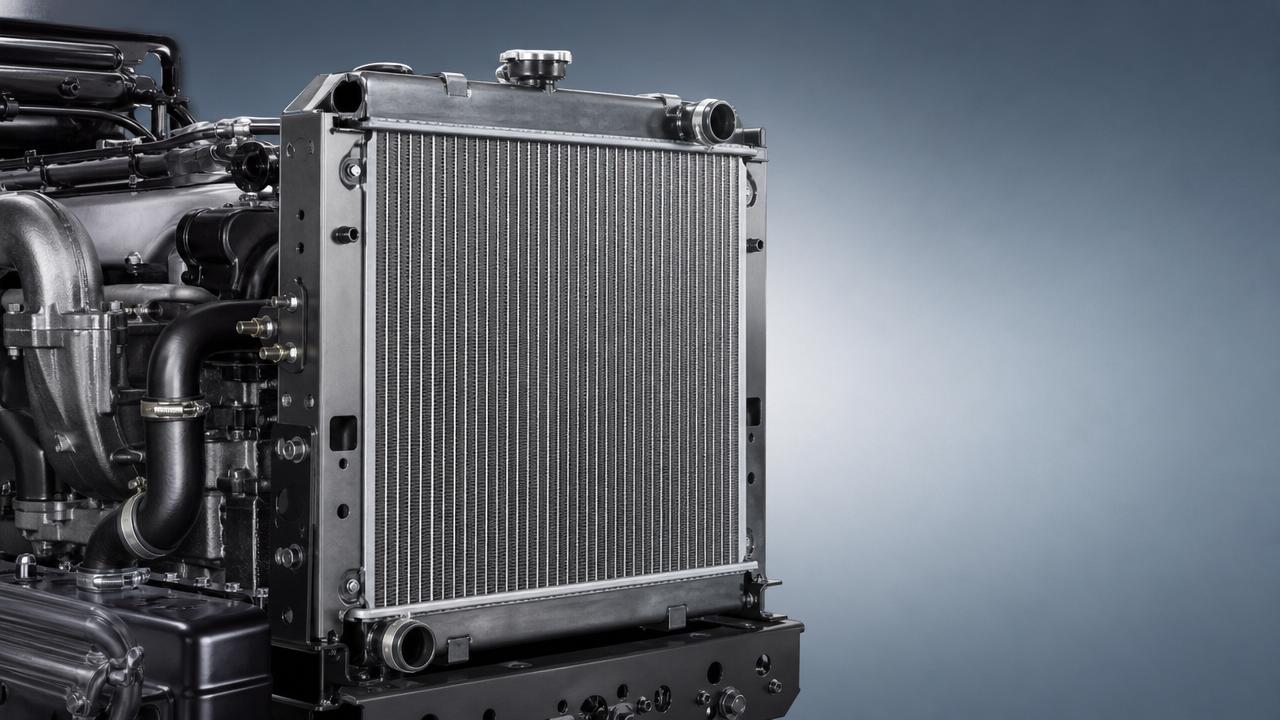
As operating temperatures climb and duty cycles intensify, Heavy duty truck radiator failures are becoming a costly concern for high-load fleets. For aftermarket maintenance teams, early diagnosis and reliable replacement parts are now critical to preventing downtime, engine stress, and repeat repairs. Understanding why these failures are rising is the first step toward improving cooling system performance and fleet reliability.
Understanding the Heavy duty truck radiator under higher thermal stress
A Heavy duty truck radiator removes engine heat by transferring thermal energy from coolant to ambient air. Its role becomes more demanding in long-haul, mining, port, and construction transport.
Modern trucks carry heavier payloads, idle longer, and face tighter packaging. These factors reduce airflow efficiency and increase coolant temperature peaks during repeated high-load operation.
A radiator failure rarely starts as a dramatic event. Most cases begin with small restrictions, vibration fatigue, material aging, or pressure instability inside the cooling circuit.
When ignored, these issues can trigger overheating, head gasket damage, reduced fuel efficiency, and accelerated wear across the engine and charge air cooling system.
Core failure forms seen in service
- Tube blockage from scale, rust, or contaminated coolant
- Fin deformation that reduces air passage and heat exchange
- Tank seam leakage caused by vibration and thermal cycling
- Internal corrosion from poor coolant chemistry control
- Pressure cap or hose faults that create unstable operating pressure
Why Heavy duty truck radiator failures are rising across high-load fleets
The increase is not caused by one defect alone. It reflects a combination of fleet usage changes, environment severity, and inconsistent maintenance practices.
Higher average loads create longer periods of sustained heat. Engines spend more time near thermal limits, especially on grades, in traffic, and during stop-start logistics cycles.
Dust, mud, road salt, and oily debris also reduce cooling capacity. External contamination blocks fin surfaces and narrows airflow paths, causing heat rejection to decline quickly.
At the same time, some replacement parts fail to match OEM thermal performance. Thin cores, poor brazing, or weak side tanks often shorten service life under real fleet conditions.
Operational impact and business relevance in the parts sector
A failing Heavy duty truck radiator affects far more than temperature readings. It changes maintenance economics, spare part selection, and vehicle availability across demanding transport operations.
One overheating event can lead to towing, lost delivery windows, driver delay, and secondary engine damage. The total cost usually exceeds the value of the radiator itself.
In the parts industry, this shifts attention toward reliability data, material quality, and fitment accuracy. Buyers increasingly need durable cooling products instead of short-term price savings.
Liaocheng Xinde Auto Parts Co., Ltd. has focused on this need since 2018. The company develops and manufactures radiators, intercoolers, construction machinery radiators, and new energy radiator modules.
Its rapid growth in China reflects rising demand for dependable thermal management components. Provincial and municipal honors also highlight its technical and service credibility in auto parts.
For applications requiring stable cooling performance, product quality matters in tube structure, fin density, sealing strength, and resistance to fatigue under vibration.
In some brand-specific replacement cases, radiator for benz may be evaluated where fitment and thermal performance must align with demanding service conditions.
Typical failure scenarios by operating environment
Not every Heavy duty truck radiator fails for the same reason. The operating environment strongly shapes how the problem develops and which inspection points matter most.
Early warning signs that should not be ignored
- Coolant loss without a clear external puddle
- Temperature spikes on climbs or during idle
- White residue around tank joints or hose necks
- Bent fins and debris packed into the core face
- Frequent top-offs after recent radiator replacement
Practical inspection and replacement guidance
A structured process improves diagnosis accuracy. It also prevents replacing a Heavy duty truck radiator when the root cause lies elsewhere in the cooling system.
- Inspect the core face for debris, fin folding, and impact damage.
- Pressure-test the system and verify cap performance.
- Check hoses, clamps, tanks, and mounting isolation points.
- Review coolant age, additive balance, and contamination level.
- Confirm fan, shroud, thermostat, and water pump operation.
- Match the replacement unit to heat load and installation dimensions.
When choosing a replacement, service life matters more than initial price. The best result comes from correct specifications, stable manufacturing quality, and dependable material control.
Attention should be paid to brazing consistency, tank strength, core thickness, and resistance to vibration cracking. These details strongly influence real-world durability.
For certain vehicle platforms, a tested radiator for benz can support replacement planning where compatibility and performance are both priority factors.
Next steps for improving cooling system reliability
Heavy duty truck radiator failures are rising because trucks are working harder in harsher conditions. The answer is not only faster replacement, but better diagnosis and stronger component selection.
Start with failure records, route conditions, and coolant management history. Then compare recurring issues against radiator design quality, fitment accuracy, and maintenance intervals.
Cooling reliability improves when inspection routines become consistent and parts are sourced from capable specialists. That approach reduces downtime, protects engines, and limits repeat failures.
For high-load applications, reviewing radiator specifications before peak season is a practical next move. It supports safer operation and better long-term cost control across heavy truck service fleets.