



Condenser Procurement Risks in Long Lead Times
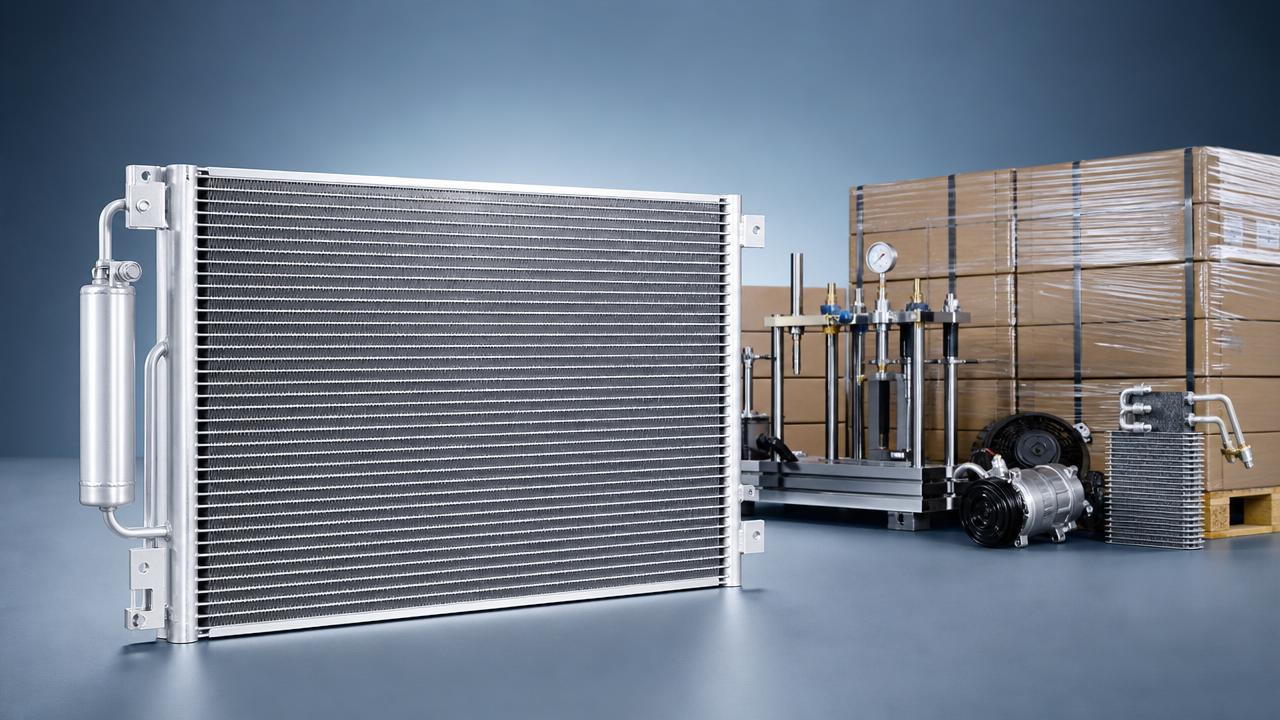
Condenser Procurement Risks in Long Lead Times
In today’s volatile auto parts supply chain, securing a reliable Condenser during long lead times is more than a purchasing task.
Delays, quality inconsistency, price changes, and capacity limits can affect production schedules, service commitments, and cooling system performance.
Early risk identification supports stronger sourcing decisions for heavy trucks, construction machinery, and new energy thermal management systems.
Why a Condenser Risk Checklist Matters
A Condenser is often tied to engine cooling, air conditioning, or integrated thermal modules.
When lead times stretch, small assumptions become expensive supply chain risks.
A checklist turns uncertainty into verifiable actions before purchase orders are released.
It also helps compare suppliers beyond price, especially when capacity, tooling, and materials are under pressure.
For a Condenser order, the lowest quotation may hide weak packaging, limited inspection, or unstable aluminum sourcing.
Core Condenser Procurement Checklist
- Verify the Condenser application by vehicle model, engine platform, cooling layout, mounting points, and connection position before confirming commercial terms.
- Confirm drawings, samples, or OE references to avoid ordering a Condenser that fits visually but fails pressure or installation checks.
- Request current production capacity, monthly output, and peak-season allocation rules before accepting any long lead time commitment.
- Check aluminum tube, fin, header, and bracket availability because raw material shortages can delay the entire Condenser schedule.
- Review brazing process control, leak testing standards, and pressure test records to reduce hidden Condenser quality variation.
- Ask for packaging specifications, carton strength, pallet stacking limits, and moisture protection for long-distance transport conditions.
- Evaluate supplier export experience, document accuracy, and customs coordination when the Condenser shipment crosses multiple logistics nodes.
- Lock critical specifications in writing, including material grade, core size, surface finish, accessories, labels, and inspection criteria.
- Define a sample approval process before mass production, especially when the Condenser is used in harsh-duty applications.
- Set escalation triggers for late materials, failed tests, production backlog, route disruption, and unexpected exchange rate movement.
Supplier Capacity and Lead Time Verification
Long lead times are not always caused by transportation.
They often start with raw material planning, tooling availability, and production scheduling.
A Condenser supplier should explain each lead time segment clearly.
Useful details include material purchasing days, core assembly time, brazing schedule, inspection time, packing time, and booking windows.
Vague answers such as “around forty days” should be treated as risk signals.
Capacity evidence can include workshop photos, equipment lists, recent production records, and shipment references.
For radiator and cooling module sourcing, related production ability also matters.
For example, RADIATOR FOR VOLVO XD029 uses references 100314589, 21649619, 100316845, and 65624.
Its size parameter is 945*728*48, showing why dimensional confirmation is essential across cooling components.
Quality Risks Hidden Inside a Condenser Order
A Condenser may pass a basic appearance check yet fail in real operating conditions.
Typical problems include weak brazing, fin deformation, bracket deviation, internal contamination, and unstable pressure resistance.
These issues may not appear until installation, road testing, or high-temperature operation.
Quality control should be reviewed before price negotiation is closed.
Inspection points to confirm
- Inspect core flatness, fin density, tube alignment, and bracket position against drawings or confirmed samples.
- Check leak testing pressure, holding time, failure handling, and whether every Condenser is tested before packing.
- Confirm cleanliness controls because internal residue can damage downstream systems or reduce thermal exchange efficiency.
- Review traceability labels, production batch records, and inspection reports for fast investigation if field issues occur.
A strong manufacturer should connect inspection data with actual production batches.
This reduces dispute time when a Condenser problem is found after delivery.
Price Fluctuation and Material Exposure
A Condenser depends heavily on aluminum materials.
When lead times are long, price exposure becomes more serious.
A quotation may expire before materials are purchased or production is scheduled.
Clear pricing terms help avoid sudden cost increases during order execution.
- Define quotation validity, aluminum price adjustment rules, exchange rate conditions, and freight responsibility before issuing the order.
- Separate product price from logistics cost when reviewing a Condenser offer from different supply regions.
- Compare payment terms with delivery milestones, not only unit price, to protect cash flow during extended schedules.
Price control should not weaken technical control.
A cheaper Condenser can become costly if installation failure causes rework or urgent replacement shipments.
Scenario Notes for Different Applications
Heavy truck cooling systems
Heavy truck applications require strong vibration resistance and stable heat exchange.
A Condenser used near high-load engine systems should be checked for bracket strength and installation tolerance.
Fleet downtime creates direct operating losses.
Long lead times make safety stock and batch traceability more important.
Construction machinery
Construction machinery often works in dust, vibration, and high-temperature environments.
A Condenser for this field should consider fin protection, cleaning access, and resistance to impact damage.
Lead time planning should include seasonality.
Demand may rise quickly before infrastructure projects, mining schedules, or agricultural operating periods.
New energy thermal modules
New energy platforms often need compact and integrated cooling designs.
A Condenser may interact with battery cooling, electric drive cooling, or cabin thermal management.
Specification changes are common during platform development.
Revision control must be strict to prevent mixed versions in the same shipment.
Commonly Overlooked Condenser Risks
Assuming old samples still represent current production
A sample from last year may not reflect current material, tooling, or process conditions.
Request an updated Condenser sample when specifications, suppliers, or production lines have changed.
Ignoring packaging during quotation review
Long-distance logistics can bend fins, damage fittings, or crush cartons.
Packaging should be treated as part of the Condenser performance guarantee, not an afterthought.
Relying on one delivery route
Port congestion, weather events, and customs inspections can extend transit time.
Alternative routes and earlier booking reduce the risk of delayed Condenser arrival.
Skipping pre-shipment inspection
A final inspection can detect quantity errors, label issues, surface damage, or mismatched accessories.
It is far cheaper than correcting a Condenser shipment after customs clearance.
Practical Execution Advice
Start with a technical confirmation sheet before comparing quotations.
Include drawings, reference numbers, sample status, packaging needs, and required inspection standards.
Next, classify Condenser items by urgency and replacement difficulty.
High-risk items should receive earlier confirmation, backup sources, and tighter production tracking.
Use milestone reporting during long lead times.
Useful milestones include material ready, core assembled, brazing completed, leak tested, packed, booked, and shipped.
Liaocheng Xinde Auto Parts Co., Ltd. focuses on radiators, intercoolers, construction machinery radiators, and related cooling components.
Its manufacturing background supports technical discussions around heavy truck and new energy cooling modules.
Summary and Next Action
A long lead time does not have to create uncontrolled Condenser risk.
The key is to verify specifications, supplier capacity, quality controls, material exposure, and logistics readiness before commitment.
Use the checklist to audit every Condenser order before releasing payment or locking production time.
Then build a clear follow-up plan with milestones, inspection points, and contingency actions.
A disciplined process protects delivery schedules, reduces quality disputes, and improves confidence in complex cooling component sourcing.