



Condenser Demand Trends for Aftermarket Channels
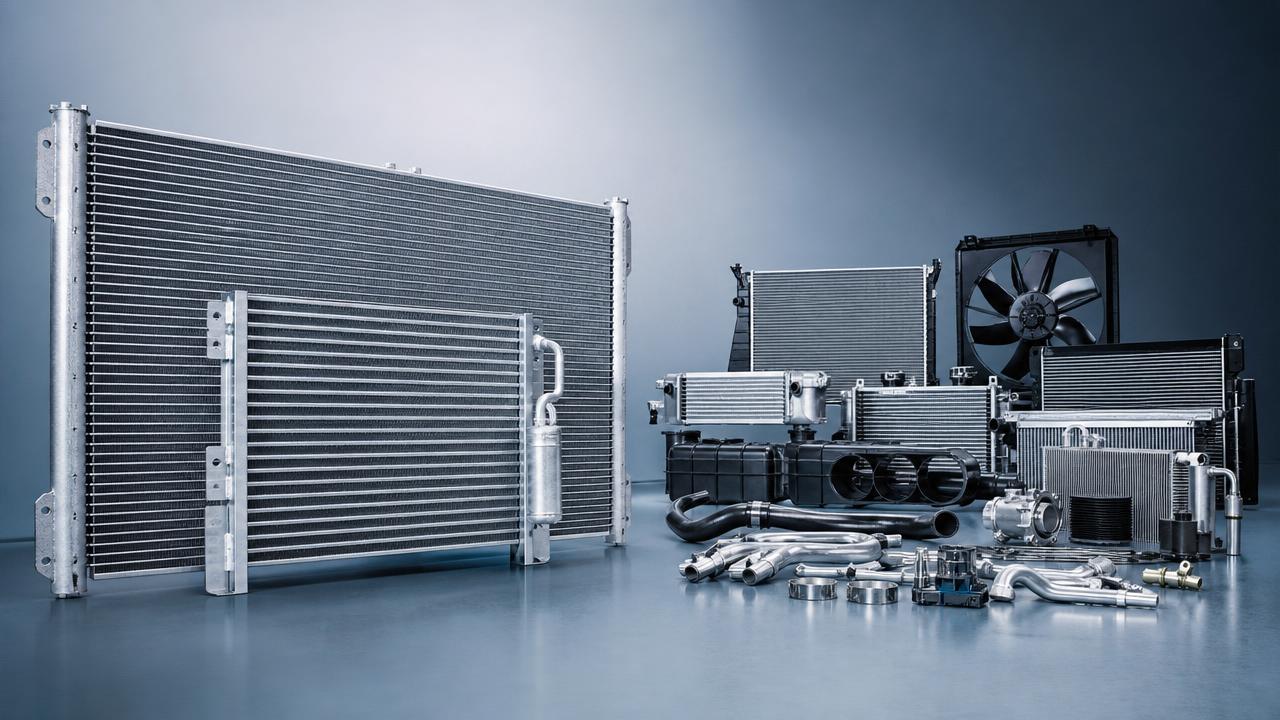
As aftermarket channels adapt to changing vehicle lifecycles, fleet maintenance needs, and rising replacement demand, the Condenser market is becoming a key focus for distributors, dealers, and agents seeking stable supply and reliable product performance.
For partners serving heavy trucks, construction machinery, and new energy vehicle applications, understanding demand trends helps identify profitable opportunities and reduce sourcing risks.
With strong manufacturing capabilities and global sales experience, Liaocheng Xinde Auto Parts Co., Ltd. supports channel partners with quality cooling system components designed for today’s evolving aftermarket requirements.
Condenser Demand Is Shifting From Emergency Replacement To Planned Channel Stocking
The aftermarket Condenser business is no longer driven only by sudden failures or seasonal repair peaks.
Channels are now building planned inventories based on vehicle age, climate exposure, fleet operating hours, and regional maintenance cycles.
This shift is especially visible in heavy trucks, construction machinery, and commercial vehicles used in demanding environments.
A Condenser must handle vibration, dust, high thermal loads, and frequent stop-start operation.
When cooling performance weakens, downtime costs often exceed the component price.
That makes stable Condenser availability a direct factor in service speed and channel competitiveness.
Aftermarket channels are also facing more fragmented demand across vehicle models and application categories.
Older diesel platforms remain active, while new energy vehicles introduce different radiator module and thermal management requirements.
Visible Trend Signals In The Aftermarket Condenser Segment
Several market signals show that Condenser replacement demand is moving into a more structured growth phase.
- Longer vehicle service life increases replacement frequency for cooling and air-conditioning parts.
- Fleet operators are reducing downtime through preventive maintenance schedules.
- Hotter operating regions increase thermal stress on Condenser assemblies.
- Construction machinery requires stronger heat exchange reliability under dusty field conditions.
- New energy vehicle growth creates broader demand for integrated thermal components.
These signals point toward higher expectations for fitment accuracy, material durability, and predictable delivery.
In many regions, a Condenser is now viewed as part of the essential cooling supply chain.
This is different from the past, when replacement parts were often sourced reactively after breakdowns.
Why Condenser Demand Is Gaining Momentum
The current growth is not caused by one single factor.
It reflects the combined pressure of vehicle aging, harsher usage, logistics needs, and thermal system complexity.
These factors create demand for Condenser products that combine cooling efficiency with stable manufacturing quality.
Channels that understand these causes can stock more accurately and avoid slow-moving inventory.
Channel Impact: Availability, Fitment, And Margin Stability
The aftermarket Condenser trend affects the entire sales and service chain.
Inventory planning becomes more important because demand is spread across vehicle families, operating regions, and seasonal patterns.
Channels with reliable model coverage can respond faster to urgent repair requirements.
Fitment accuracy also determines profitability.
Wrong Condenser specifications create returns, installation delays, and customer dissatisfaction.
Stable product data, clear dimensions, and matching references reduce these risks.
For example, related cooling system demand often appears together with radiator replacement needs.
One applicable reference is radiator for man xd046-1, with model references xd046-1 and 81061016407.
Its size parameter, 945*688*48, reflects the precision needed when matching heavy truck cooling components.
How Different Business Links Are Affected
- Distributors need broader Condenser model coverage and steady replenishment cycles.
- Service networks need fast identification and dependable fitment information.
- Export channels need packaging, documentation, and consistent batch quality.
- Fleet maintenance systems need parts that support predictable operating schedules.
The result is a more professional Condenser supply environment.
Price remains important, but reliability and delivery confidence increasingly shape purchasing decisions.
Key Product Requirements Becoming More Important
The modern aftermarket Condenser must satisfy requirements beyond basic replacement.
Channel partners are comparing long-term value, not only unit cost.
- Heat exchange efficiency for stable cooling under heavy load.
- Material strength to resist corrosion, vibration, and pressure fatigue.
- Accurate dimensions for faster installation and fewer returns.
- Consistent welding and sealing quality for dependable service life.
- Flexible supply capability for mixed aftermarket orders.
These requirements are particularly relevant in heavy-duty vehicle and construction machinery applications.
A Condenser installed in such equipment may face long operating hours and limited maintenance windows.
Any weakness can quickly turn into heat management problems or air-conditioning system failure.
New Energy Vehicles Add A New Layer Of Condenser Opportunity
New energy vehicles are changing expectations for thermal management parts.
Battery systems, drive motors, electronic controls, and cabin comfort all depend on balanced temperature control.
This creates broader opportunities for companies experienced in radiators, intercoolers, and cooling modules.
Although the Condenser remains a familiar component, its surrounding system environment is becoming more integrated.
Aftermarket channels should monitor model updates, module design changes, and new maintenance requirements.
The best opportunities may appear where conventional service networks lack complete new energy parts coverage.
What Channels Should Watch Before Expanding Condenser Stock
Expanding Condenser inventory without a clear plan can increase capital pressure.
A more effective approach is to combine demand data, vehicle population, and supplier capability.
- Identify high-frequency vehicle models in target regions.
- Separate heavy truck, machinery, and new energy applications.
- Track seasonal demand peaks before hot weather periods.
- Check supplier consistency across repeated Condenser batches.
- Build replacement kits around related cooling components when useful.
This structured method reduces mismatches between stock availability and real market demand.
It also supports stronger service response during urgent repair periods.
Practical Response Ideas For The Next Demand Cycle
The next aftermarket cycle will likely reward channels that combine technical accuracy with flexible sourcing.
A Condenser strategy should therefore include product selection, forecasting, and supplier evaluation.
Liaocheng Xinde Auto Parts Co., Ltd. is well positioned for this direction.
Established in 2018, the company has grown rapidly in China’s cooling system parts industry.
Its registered capital is 5 million RMB, with total investment reaching 50 million RMB.
The company focuses on water tank radiators, intercoolers, construction machinery radiators, and new energy radiator modules.
Its honors include High-tech Enterprise, Civilized and Honest Enterprise, and Trustworthy Unit for Consumers.
A More Disciplined Condenser Market Is Emerging
The aftermarket Condenser market is becoming more data-driven, application-specific, and quality-sensitive.
Demand growth is supported by aging fleets, harsh working conditions, and expanding thermal management needs.
Channels that prepare early can improve product availability, protect margins, and reduce sourcing uncertainty.
The next step is to review model coverage, compare quality consistency, and align stock with regional vehicle demand.
For dependable cooling system supply, connect with Liaocheng Xinde Auto Parts Co., Ltd. to discuss Condenser-related opportunities and broader aftermarket component needs.