



Choosing an Agricultural Radiator for Longer Seasonal Use
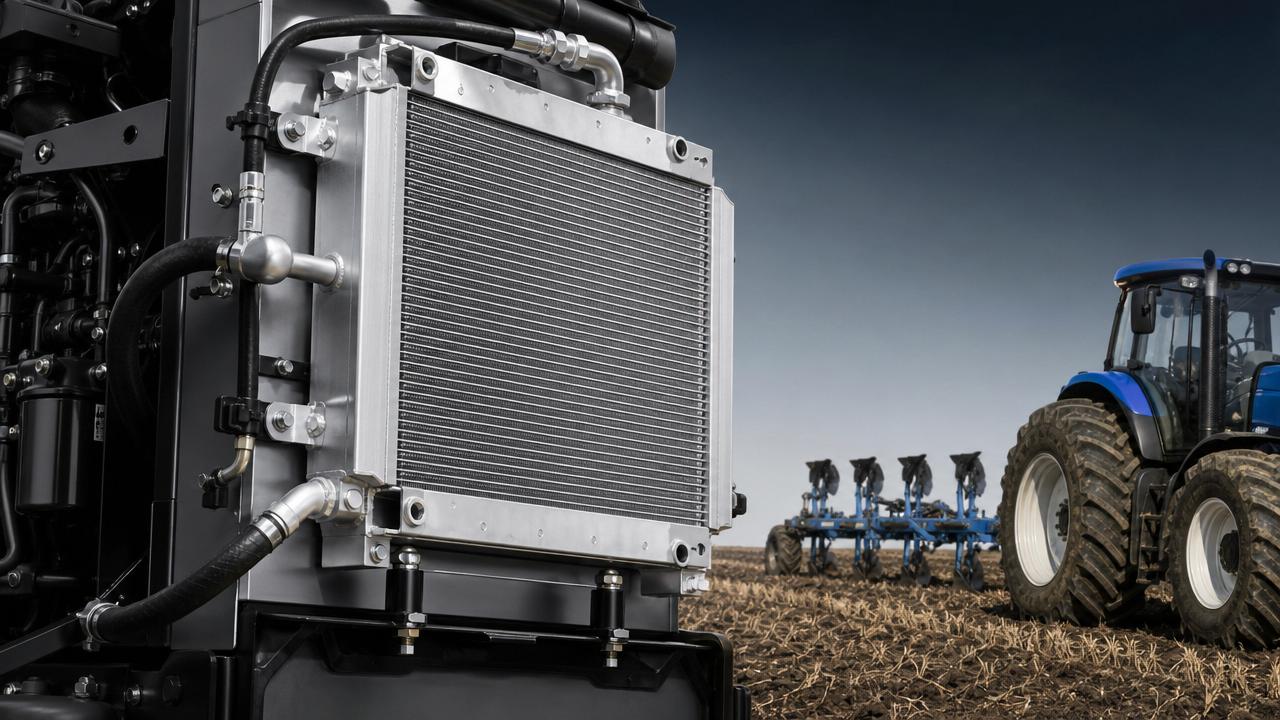
Choosing the right Agriculturaal radiator is essential for procurement teams aiming to extend equipment uptime across demanding farming seasons. A durable, efficient radiator not only improves cooling performance but also helps reduce maintenance costs, downtime, and replacement frequency. For buyers evaluating long-term value, understanding material quality, compatibility, and manufacturing reliability is the first step toward securing dependable parts for agricultural machinery.
What Procurement Teams Are Really Looking for in an Agricultural Radiator
When buyers search for an Agriculturaal radiator, they usually want more than a basic replacement part. Their real goal is longer seasonal uptime, fewer service interruptions, and predictable ownership costs.
For procurement teams, the best radiator is not simply the cheapest option. It is the one that performs reliably under dust, vibration, heavy loads, and long operating hours.
This makes product evaluation more practical than technical. Buyers need clear ways to compare durability, cooling efficiency, fitment accuracy, supplier consistency, and after-sales support before placing volume orders.
Why Radiator Choice Has a Direct Impact on Seasonal Equipment Availability
Agricultural machinery often works in narrow seasonal windows. If a tractor, harvester, or sprayer stops because of overheating, the cost of downtime quickly exceeds the purchase price difference between parts.
That is why selecting an Agriculturaal radiator should be treated as an uptime decision rather than a routine procurement task. Cooling system reliability directly affects field productivity and maintenance scheduling.
In peak operating periods, engines run for long hours at fluctuating loads. A radiator that cannot maintain stable heat dissipation may trigger performance loss, overheating alarms, or broader engine-related failures.
For procurement managers, this means one radiator decision can influence machine utilization, labor coordination, harvest timing, and customer satisfaction across an entire service season.
Key Questions Buyers Should Ask Before Shortlisting a Supplier
The first question is whether the radiator matches the actual working environment. Agricultural machines face mud, debris, seeds, insects, and corrosive moisture that can block fins and reduce airflow.
The second question is whether the structure is designed for vibration resistance. Repeated movement over uneven ground places stress on tubes, joints, brackets, and weld points throughout the season.
The third question concerns material quality. Buyers should verify the grade of aluminum, tube and fin design, header strength, and brazing quality instead of relying only on catalog photos.
The fourth question is production consistency. A supplier may provide a strong sample, but procurement success depends on whether batch quality remains stable across repeated orders and delivery cycles.
Material Quality: The Foundation of Longer Service Life
Material quality is one of the strongest indicators of long-term radiator value. Better raw materials help maintain heat transfer performance while resisting fatigue, corrosion, and leakage under demanding field conditions.
High-quality aluminum cores are widely preferred because they balance cooling efficiency, weight, and corrosion resistance. However, the actual performance still depends on design precision and manufacturing control.
Procurement teams should pay attention to wall thickness, fin density, and joint reliability. These details affect not only initial cooling capacity but also how well the radiator holds up over time.
A lower-cost unit made with weaker materials may look acceptable at delivery, yet fail earlier when exposed to thermal cycling, vibration, and contamination during extended agricultural use.
Fitment Accuracy Matters More Than Many Buyers Expect
Even a well-made radiator creates problems if installation dimensions are inaccurate. Poor fitment can lead to mounting stress, hose misalignment, airflow issues, and longer maintenance labor time.
That is why procurement teams should confirm core dimensions, inlet and outlet positions, mounting points, and surrounding module clearances before approving a supplier for repeated purchase.
For mixed fleets or export markets, this becomes even more important. Slight deviations in design can complicate warehouse planning, reduce interchangeability, and increase the risk of field installation delays.
Reliable manufacturers usually provide detailed drawings, sample confirmation, and technical communication to reduce these risks before mass production begins.
Cooling Efficiency Should Be Evaluated Under Real Working Conditions
Catalog specifications are useful, but procurement decisions should reflect actual field conditions. Agricultural equipment operates in hot weather, dusty air, and variable engine loads that challenge cooling systems continuously.
Buyers should ask how the radiator performs during prolonged operation, not just in ideal testing conditions. Heat exchange efficiency must remain stable as the machine works through demanding cycles.
Fin design, tube layout, airflow path, and contamination tolerance all affect real-world cooling performance. A radiator that clogs easily may underperform even if its base specifications appear competitive.
Longer seasonal use depends on sustained thermal management, not only peak cooling numbers. This is especially important for fleets where maintenance intervals cannot always be shortened during harvest periods.
How Manufacturing Reliability Reduces Procurement Risk
For procurement professionals, supplier reliability is as important as part performance. Delays, inconsistent quality, and unclear communication can disrupt inventory planning and emergency replacement schedules.
A capable manufacturer should demonstrate stable production capacity, quality control procedures, and export experience. These factors help ensure that every order meets the same standard as approved samples.
Liaocheng Xinde Auto Parts Co., Ltd., established in 2018, focuses on the research, production, and global sales of radiators, intercoolers, construction machinery radiators, and related heavy-duty cooling components.
Its fast growth, high-tech enterprise recognition, and ongoing investment suggest a manufacturing base built for scale, technical development, and long-term cooperation with professional buyers in demanding markets.
Signs of a Radiator Supplier Worth Keeping for the Long Term
The best suppliers do more than quote competitive prices. They provide technical clarity, respond quickly to fitment questions, and help buyers prevent problems before shipments are released.
Procurement teams should look for evidence of inspection standards, leak testing, packaging protection, and traceability. These practical controls often matter more than broad claims about quality.
Another positive sign is product range depth. Manufacturers that serve multiple heavy-duty cooling applications often have stronger engineering understanding and more mature production processes.
For example, suppliers experienced in adjacent cooling components may also offer items such as intercooler for benz xd330, showing broader thermal-system manufacturing capability.
Total Cost of Ownership Is More Useful Than Unit Price Alone
Procurement decisions become stronger when they compare total cost of ownership instead of only invoice price. A cheaper radiator may result in more replacements, higher labor expense, and longer machine downtime.
To estimate value correctly, buyers should include service life, maintenance frequency, installation efficiency, logistics risk, and the cost of overheating-related operational disruption.
In seasonal agricultural work, one unexpected failure can affect multiple linked activities. The financial impact may include missed field windows, delayed output, and unplanned technician deployment.
That is why premium consistency often produces better purchasing outcomes than minimum initial cost. Long-term savings usually come from durability and reliability, not from the lowest quoted number.
How to Assess Samples Before Moving to Larger Orders
Sample evaluation should go beyond visual inspection. Buyers should check welding quality, fin alignment, bracket strength, dimensional tolerance, and overall assembly finish against actual application needs.
It is also helpful to review packaging quality. A good radiator can still arrive damaged if cartons, inner protection, or pallet standards are inadequate for international transport and warehouse handling.
Where possible, procurement teams should arrange field testing or feedback from maintenance personnel. Real installation experience often reveals fitment or durability details that documents alone cannot show.
Once samples are approved, batch consistency should be monitored through defined quality criteria. This protects the buyer from variation between the first order and future repeat purchases.
Common Buying Mistakes That Shorten Seasonal Use
One common mistake is choosing by appearance alone. Two radiators may look similar externally, while having major differences in internal structure, material thickness, and brazing stability.
Another mistake is underestimating the role of working environment. A unit suitable for light-duty or cleaner conditions may not withstand the debris and vibration common in agricultural operations.
Some buyers also overlook supplier communication capability. Slow technical responses can delay confirmation, increase specification errors, and create costly confusion during urgent purchasing cycles.
Finally, focusing only on short-term cost often leads to higher long-term expense. Procurement success depends on balancing budget control with real operational reliability.
Building a Better Procurement Checklist for Agricultural Radiators
A strong checklist helps teams compare suppliers more objectively. It should include dimensions, material details, core construction, cooling performance, leak testing, packaging, and lead-time reliability.
It should also cover commercial points such as batch consistency, documentation support, warranty terms, and the supplier’s experience in export or heavy-duty cooling applications.
If the supplier offers related products, procurement teams can evaluate broader sourcing opportunities while maintaining quality control across thermal-system categories. In some cases, this can simplify vendor management.
For instance, reviewing associated heavy-duty cooling products like the intercooler for benz xd330, including OEM 9405010301, 97024, and size 630*892*68 for Benz applications, can provide useful insight into engineering range.
Final Thoughts for Buyers Seeking Longer Seasonal Use
Choosing the right Agriculturaal radiator is ultimately a decision about uptime, risk control, and long-term value. Procurement teams should prioritize reliability, fitment accuracy, and supplier consistency over headline price alone.
The most useful buying approach is practical: verify materials, confirm dimensions, assess real cooling performance, and work with manufacturers that can support repeat orders with stable quality.
When these factors are addressed early, buyers are far more likely to secure radiators that last through demanding farming seasons with fewer interruptions and lower total ownership costs.
For organizations responsible for keeping agricultural equipment running, that kind of informed radiator selection is not just smart sourcing. It is a direct investment in operational continuity.