



Agricultural Radiator Maintenance Gaps That Reduce Harvest Uptime
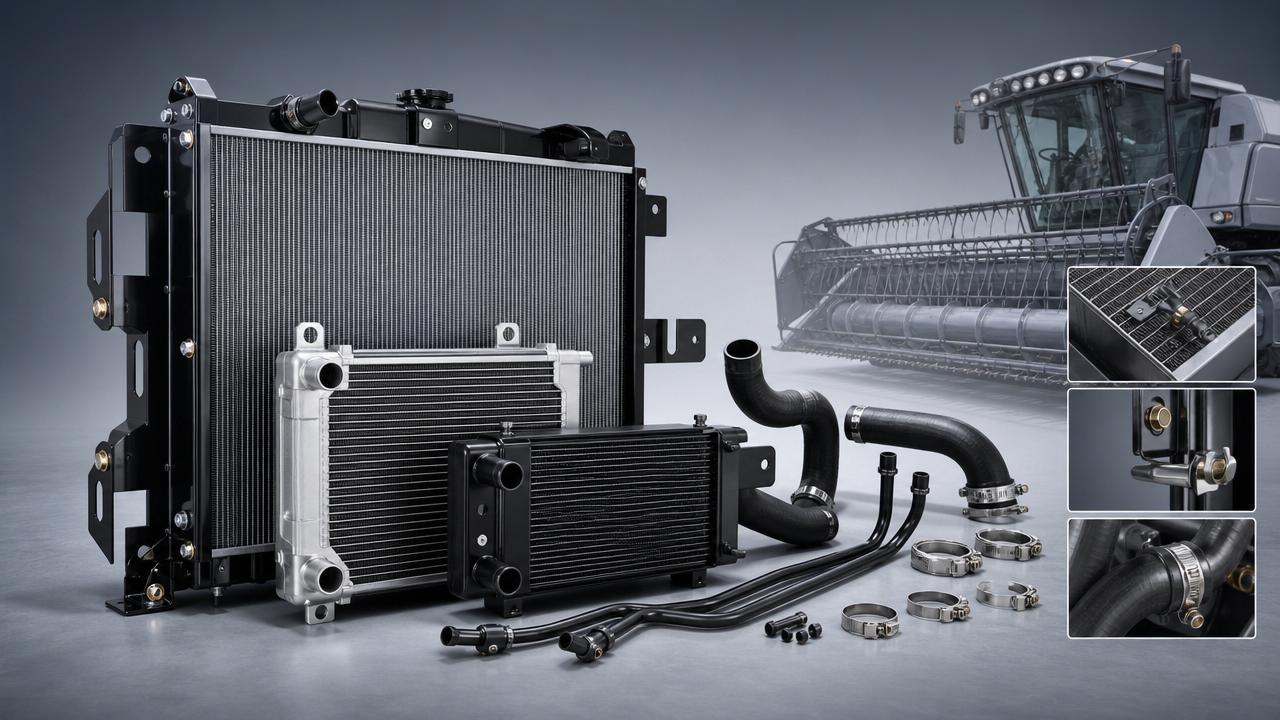
Harvest uptime often depends on details that maintenance teams overlook. In many fleets, Agriculturaal radiator problems begin with minor inspection gaps, delayed cleaning, or poor-fit replacement parts. Those issues can quickly become overheating, unplanned stoppages, and higher repair costs. In the parts industry, reliable cooling components matter because field equipment operates under dust, vibration, heavy loads, and narrow harvest windows. Understanding where maintenance routines fail helps reduce downtime and protect seasonal productivity.
What maintenance gaps cause most Agriculturaal radiator failures?
The most common gap is inconsistent inspection. Many teams check coolant level but skip the radiator core, fins, hoses, clamps, and cap condition.
Dust, chaff, mud, and oily film often block airflow first. Reduced airflow raises operating temperature before any obvious leak appears.
Another frequent issue is assuming that one cleaning method fits every machine. High-pressure washing can flatten fins and reduce heat transfer.
Coolant neglect also creates hidden damage. Old coolant loses corrosion protection, allowing internal scale and electrochemical wear to weaken the system.
In an Agriculturaal radiator system, vibration can loosen brackets and crack mounting points. If inspections ignore supports, repeat failures become likely.
- Skipped fin and core inspection
- Improper cleaning pressure or direction
- Expired or contaminated coolant
- Loose mounts and hose connections
- Late replacement of worn caps and seals
How can early warning signs of Agriculturaal radiator trouble be identified?
Temperature spikes under normal loads are the clearest early sign. If the machine overheats during routine work, airflow or coolant flow may already be restricted.
Watch for coolant smell, residue around tanks, or damp spots near hose joints. Small leaks often appear before major system failure.
Uneven fin coloration can indicate clogging or previous overheating. Bent fins and packed debris also signal declining thermal performance.
Fan noise changes matter too. If the fan works harder than usual, the radiator may be struggling to reject heat efficiently.
Data trends are useful. Repeated temperature drift over several days is more meaningful than one isolated high reading.
Why do cleaning routines fail in harvest environments?
Harvest conditions create layered contamination. Dry particles stick first, then moisture and oil bind them into dense mats across the cooling pack.
Many routines fail because cleaning happens too late. Once debris compacts deeply, surface rinsing restores only part of the airflow.
Direction matters. Cleaning against the natural debris path usually removes more material and reduces fin damage.
Access also matters. If guards, shrouds, or stacked coolers are not opened correctly, hidden blockage remains untouched.
A practical schedule should match field conditions, not just calendar dates. Dust-heavy crops may require daily attention.
- Inspect before each shift during peak harvest.
- Remove loose debris with low-pressure air first.
- Use appropriate washing pressure and safe nozzle distance.
- Check stacked cooling components individually.
- Confirm airflow improvement after cleaning.
Cooling design principles used in advanced radiator modules can help benchmark performance expectations. For example, Radiator for AION highlights high-performance construction, premium thermal materials, and advanced fluid dynamics. While built for a different fitment, those engineering concepts reinforce why precise thermal management and stable materials matter across demanding radiator applications.
How do mismatched parts reduce Agriculturaal radiator reliability?
Mismatched parts often look acceptable during installation but perform poorly during field loads. Core thickness, tube layout, fin density, and tank design all matter.
A poor-fit replacement can restrict airflow around the frame. It may also create hose stress, vibration concentration, or sealing issues.
Low-grade materials may fail under thermal cycling. During harvest, repeated hot-cold transitions accelerate cracks and fatigue.
An Agriculturaal radiator should match the machine’s operating profile, not only its mounting dimensions. Terrain, dust level, engine load, and working hours affect the correct specification.
This is where supplier capability becomes relevant. Liaocheng Xinde Auto Parts Co., Ltd. focuses on radiators, intercoolers, heavy truck cooling parts, and new energy radiator modules. Its manufacturing background in thermal components reflects the importance of controlled production, application fit, and dependable cooling performance.
What should be checked before ordering a replacement?
- OEM number or verified reference model
- Core size, row count, and material type
- Hose outlet position and connection diameter
- Mounting bracket location and vibration support
- Pressure rating and coolant compatibility
What inspection intervals work best for peak harvest uptime?
The best interval depends on crop conditions, machine age, and operating hours. Still, peak harvest requires tighter routines than off-season use.
A daily visual check is a strong baseline for any Agriculturaal radiator operating in dusty or fibrous conditions.
Weekly checks should include cap condition, hose softness, clamp security, and signs of coolant staining near seams.
Monthly checks can cover pressure testing, coolant concentration, fan performance, and mount integrity if the machine runs continuously.
At season start, perform a deeper service. Flush if coolant age is uncertain, inspect the water pump area, and verify full airflow through the core.
Which maintenance myths create the biggest overheating risk?
One myth says that if coolant level is normal, the radiator is healthy. That ignores airflow blockage, internal scale, and pressure loss.
Another myth says any radiator with the same approximate size will work. In reality, thermal capacity and fitment details directly affect uptime.
Some believe stronger water pressure always cleans better. Excessive pressure can permanently damage fins and reduce cooling efficiency.
There is also a belief that overheating always comes from the engine. Many root causes begin in the Agriculturaal radiator, fan path, or coolant circuit.
High-stability radiator designs used in products like Radiator for AION show why material quality and controlled flow behavior matter. The same logic applies when selecting heavy-duty cooling parts for harsh agricultural workloads.
How can downtime be reduced with a better Agriculturaal radiator maintenance plan?
Start with a checklist that separates daily cleaning, weekly inspection, and scheduled replacement items. Clear routines reduce skipped tasks.
Track repeat failures by machine, field condition, and part type. Patterns often reveal whether the issue is contamination, vibration, or poor replacement quality.
Keep critical spares ready before harvest begins. Waiting for hoses, caps, or a replacement core during peak season costs more than stocking essentials.
Use documented specifications when ordering parts. That lowers the risk of installing a component that fits physically but underperforms thermally.
The strongest results come from prevention. A disciplined Agriculturaal radiator program improves cooling consistency, protects engine health, and keeps harvest hours productive.
Small maintenance gaps rarely stay small in harvest conditions. By tightening inspections, improving cleaning methods, and choosing well-matched cooling parts, uptime becomes more predictable. Review current routines, compare them against actual field stress, and correct weak points before the next peak season. Better radiator care is one of the simplest ways to reduce unplanned downtime and control repair costs.