



Can intercooler leaks cause black smoke under acceleration?
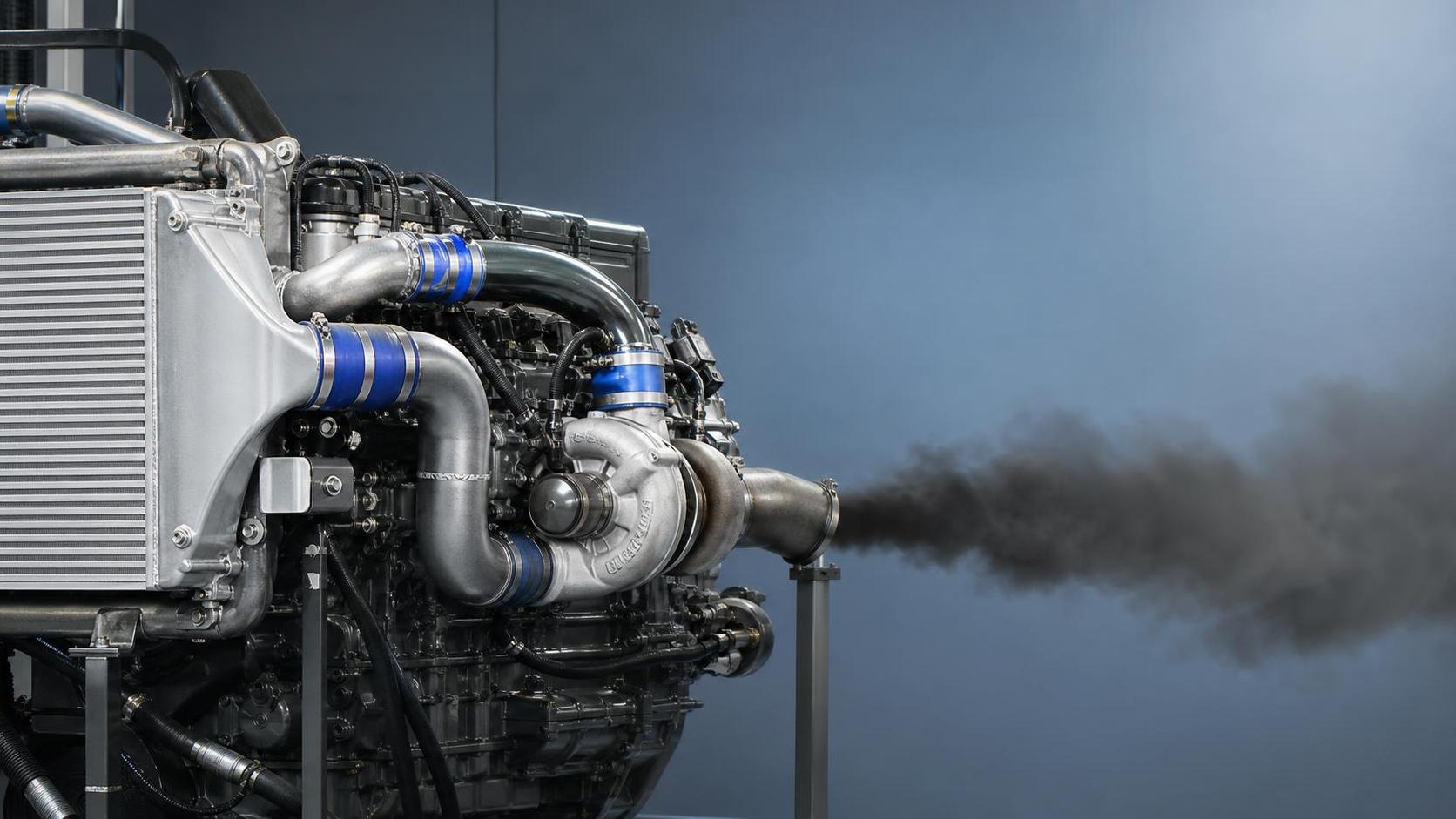
Yes. An intercooler leak can cause black smoke under acceleration, especially on a turbocharged diesel truck. When the engine asks for more power, the turbocharger tries to force more air through the charge-air system. If a hose is split, a clamp is loose, or the intercooler core is cracked, part of that pressurized air escapes before reaching the intake manifold. Fuel delivery may still increase, but there is not enough oxygen to burn it cleanly. The result can be a black plume from the exhaust, weak pulling power, and a noticeable loss of boost.
That said, black smoke is a symptom, not a diagnosis by itself. A leaking intercooler is a common cause, but injector faults, a restricted air filter, turbocharger problems, EGR faults, or incorrect engine control signals can create similar smoke. The practical question is not simply “Can it happen?” It is “How can I tell whether the charge-air system is actually the problem before replacing parts?”
Why an intercooler leak produces black smoke
A turbocharged diesel engine depends on a balanced relationship between fuel and air. Under normal conditions, the turbo compresses intake air, the intercooler cools that compressed air, and the denser air reaches the cylinders with enough oxygen to support combustion.
When there is a leak between the turbocharger outlet and the intake manifold, the engine loses boost pressure. The leak may be small at idle and almost invisible during a quick visual inspection. Under acceleration, however, charge-air pressure rises sharply. A weak hose can open up, a loose clamp can shift, or a cracked intercooler tank can leak heavily. At that point, the engine receives less air than the fuel system and ECU expect.
Diesel fuel that does not burn completely leaves the exhaust as dark soot. This is why black smoke often becomes most obvious when climbing a grade, overtaking, hauling a load, or accelerating hard from low engine speed. The smoke may reduce once the throttle is eased because boost demand and fuel demand both fall.
A simple way to think about it: the turbo may be working, but the compressed air is not all making it to the engine.
Signs that point to a charge-air leak rather than another fault
Operators often focus on the smoke and overlook the way the vehicle feels. Black smoke caused by an intercooler or boost hose leak usually comes with a change in performance. The engine may hesitate before building power, feel flat in the mid-range, or need more throttle than usual to maintain speed on a hill.
Listen closely during acceleration. A loud hiss, whistle, or rushing-air sound that was not present before can indicate boost escaping from a hose connection or a split pipe. This is not the same as the normal high-pitched sound of a turbocharger. Leak noise is often more like compressed air being released and may become louder as load increases.
Other useful clues include:
- Oily mist around hose joints, pipe connections, or the intercooler end tanks.
- A hose that looks swollen, soft, rubbed through, or oil-soaked.
- Fresh black soot around a leak point, particularly where escaping air carries oil vapor.
- Reduced fuel economy because the driver uses more throttle to compensate for lost power.
- A boost-related fault code or reduced-power mode on electronically controlled engines.
- Smoke that is much worse under load but limited during light, steady driving.
Oil residue deserves some context. A light film inside the charge-air piping is normal on many diesel engines because crankcase ventilation and turbocharger operation can introduce a small amount of oil vapor into the intake tract. What is not normal is wet oil collecting around the outside of a joint, dripping from the bottom of an intercooler, or appearing exactly where a hose has split.
Do not assume every black-smoke problem is the intercooler
This is where unnecessary parts replacement often starts. An intercooler leak is plausible when black smoke appears with poor boost response, but it is not the only explanation.
A blocked air filter can starve the engine of intake air without any leak at all. A damaged turbocharger, sticking variable-geometry mechanism, or failed boost-control actuator can reduce boost pressure. Dirty or malfunctioning injectors may add too much fuel or produce poor spray patterns. On engines with EGR systems, a valve that is stuck open can dilute intake air when the engine needs full oxygen. Sensor readings can also mislead the ECU: a faulty mass airflow, manifold pressure, or intake-temperature sensor may cause incorrect fuel and air control.
There is also a useful distinction between black smoke and blue-white smoke. Black smoke usually indicates excess fuel relative to available air, while blue smoke more often points to oil burning. White smoke can involve unburned fuel, coolant, low combustion temperature, or other issues. Exhaust color alone is not enough to confirm a failed intercooler.
If the truck has normal power, no boost noise, and smoke appears even at light throttle or idle, begin with air filtration, fuel delivery, electronic fault codes, and engine condition rather than condemning the intercooler first.
A practical inspection before you order parts
Let the engine cool before touching charge-air plumbing. Intercooler pipes, clamps, and nearby turbo components can stay hot long after operation. Then inspect the route from the turbocharger compressor outlet, through the intercooler, and onward to the intake manifold. Do not inspect only the intercooler core. In many real repairs, the failed part is a hose or clamp rather than the core itself.
Start with the lower hoses and the underside of the intercooler. Those areas collect road dirt and can be hidden behind guards, making a split difficult to see. Flex rubber hoses by hand. Look for cracks around clamp edges, abrasion against brackets, soft spots, and delamination. A hose can appear acceptable on the outside but separate internally, so any unusual swelling or softness matters.
Next, check clamps. A clamp that is technically tight can still be installed in the wrong position, sitting partly over a bead or beyond the reinforced section of the hose. A joint that has repeatedly blown off may indicate a worn hose, damaged pipe bead, incorrect clamp size, or an overboost condition. Tightening the same clamp harder is rarely a lasting repair.
Inspect the intercooler for impact damage, corroded areas, distorted fins, and oily staining near seams or end tanks. Bent external fins can restrict airflow through the core, but bent fins alone do not automatically cause black smoke. The smoke issue comes from lost charge air, while restricted cooling efficiency can raise intake-air temperature and reduce performance under prolonged heavy load.
The most reliable confirmation is a controlled charge-air pressure test. A workshop can cap the system and apply regulated air pressure according to the vehicle manufacturer's service procedure, then identify leaks by sound, pressure loss, or an approved leak-detection solution. Smoke testing can also be useful. Avoid improvising with excessive shop-air pressure: plastic tanks, hoses, sensors, and seals can be damaged if the system is over-pressurized.
What to repair, and when replacement makes more sense
A loose clamp or damaged hose is usually a straightforward repair, provided the mating pipe is sound and the correct replacement hose is used. Clean oil from the connection before refitting. Oil left on the outside of a hose can conceal a continuing leak, while oil on the inside can make a hose slide out of position if clamp placement is poor.
A cracked intercooler core, leaking seam, or damaged end tank normally calls for replacement rather than a temporary patch. Repairs that seem acceptable in the workshop may fail once the vehicle returns to high boost and vibration. This is particularly relevant for heavy trucks that pull loads for long periods, where heat cycling and pressure changes are constant.
Replacement selection should be based on exact vehicle fitment, mounting points, inlet and outlet locations, tank design, and core dimensions. It is not enough for a unit to “look close.” A mismatch can create pipe alignment problems, hose stress, poor sealing, or interference with the radiator package.
For a Hino cooling-system repair, it can be useful to verify the published dimensions and application data of the XD1011 RADIATOR FOR HINO alongside the existing radiator and charge-air components. Its listed core size is 948 × 758 × 56 mm, but dimensions alone should not be treated as proof of compatibility. Confirm the vehicle model, mounting arrangement, hose positions, and the original part reference before ordering.
Liaocheng Xinde Auto Parts Co., Ltd., established in 2018, manufactures radiators, intercoolers, construction-machinery radiators, and related heavy-truck and new-energy cooling modules. When sourcing a replacement through any manufacturer or supplier, the useful questions are practical: Does the part match the vehicle's configuration? Are the ports and brackets correct? Is the charge-air system being inspected at the same time? A correctly selected radiator cannot cure a boost leak, but the cooling and charge-air systems should be checked together when the front module is already opened for service.
Common mistakes that keep the smoke coming back
The first mistake is replacing the intercooler after a visual inspection without pressure-testing the complete system. A hairline split in a hose may only open under boost, so it can be missed while the engine is off. The second is replacing only one visibly damaged hose while leaving old, oil-softened hoses in service. On an older vehicle, adjacent hoses may be close to failure as well.
Another common mistake is cleaning the outside of the intercooler and assuming the issue has been solved. If the leak is still present, new oil mist will return. Marking suspect joints or taking a clear reference photo before cleaning can make the follow-up inspection more meaningful.
Do not ignore the reason a hose failed. If a pipe repeatedly separates or a new hose splits prematurely, verify actual boost pressure and engine calibration. A system designed for normal operating pressure should not continually blow connections apart. The leak may be the result of another fault, not the original cause.
Finally, avoid prolonged heavy operation with obvious black smoke and reduced power. Besides using more fuel, incomplete combustion can increase soot loading in exhaust aftertreatment systems where fitted. Continued operation may also hide a developing turbo, EGR, or fuel-system issue behind what looks like a simple hose leak.
After the repair: confirm the result under load
After refitting the intercooler, hoses, or clamps, perform another leak test before returning the truck to demanding work. Clear relevant diagnostic codes only after the underlying fault has been addressed. During a controlled road test, check whether boost builds normally, whether the hissing noise has disappeared, and whether black smoke is reduced during the same acceleration condition that originally exposed the problem.
A good repair is not just a cleaner exhaust plume. The engine should pull more consistently, require less throttle for the same load, and show no fresh oil mist at the repaired joints after operation. Reinspect the clamps after the first heat cycle if the vehicle manufacturer's procedure calls for it.
Questions operators commonly ask
Can a small intercooler leak really create noticeable black smoke?
Yes, particularly when the leak opens wider under boost. A small crack at rest can become a significant air loss during hard acceleration or heavy pulling.
Will an intercooler leak always trigger a warning light?
No. Some engines detect a boost-pressure deviation and log a fault, while others may show smoke and poor performance before any warning appears. Diagnostic scanning is useful, but it does not replace a physical inspection.
Can I keep driving if the truck still runs?
Light-duty movement to a repair location may be possible depending on the vehicle condition, but avoid heavy acceleration, towing, or sustained load. Stop operation if power drops sharply, warning lights appear, coolant temperature rises, or unusual turbo noise develops.
Should I replace the intercooler whenever I replace a burst hose?
Not automatically. Pressure-test the intercooler and inspect its tanks, seams, and mounting points. Replace it when it leaks, is physically damaged, or cannot be restored to reliable service.
Black smoke during acceleration is often the engine telling you that the air side needs attention. Check the intercooler, its hoses, clamps, and pipes as a complete pressurized system, then confirm the repair with a proper test. That approach is faster than guessing, reduces repeat downtime, and helps prevent a simple boost leak from turning into a more expensive engine or aftertreatment problem.