



How to tell when a heavy duty truck radiator is failing
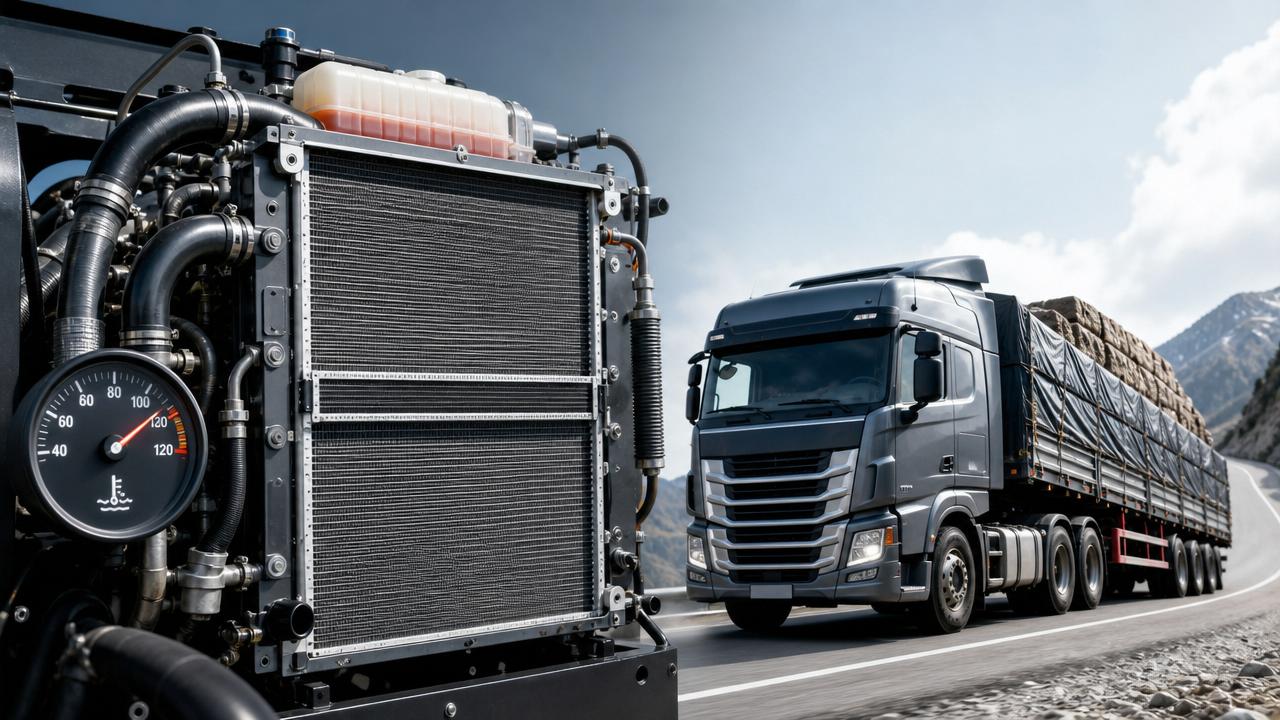
A failing Heavy duty truck radiator rarely stops working all at once—warning signs usually appear first. If your truck is running hotter than normal, losing coolant, or showing poor cooling performance under load, it may be time to inspect the system. Knowing how to spot radiator problems early can help operators avoid breakdowns, reduce repair costs, and keep heavy trucks working efficiently.
For operators, the radiator is not just another cooling part. It is a working component that protects engine temperature stability during long hauls, steep grades, idle periods, and high-load transport cycles that may last 8 to 12 hours per day.
In the parts industry, early radiator diagnosis matters because one small leak, one blocked core, or one weak tank seam can quickly develop into overheating, coolant loss, and unplanned downtime. This guide explains how to identify failure signs, what causes them, and when repair or replacement is the smarter decision.
Liaocheng Xinde Auto Parts Co., Ltd., established in 2018 with a registered capital of 5 million RMB and a total investment of 50 million RMB, focuses on the research, production, and global supply of water tank radiators, intercoolers, construction machinery radiators, and related cooling components for heavy trucks and new energy radiator modules. For operators and fleet users, that background reflects a practical understanding of real working conditions in the heavy-duty cooling system market.
Early signs that a Heavy duty truck radiator is failing
Most Heavy duty truck radiator failures begin with small performance changes. Operators often notice temperature movement first, then coolant loss, and later a drop in cooling efficiency under load. The key is to act during the first stage, not after an overheat event.
1. Engine temperature is higher than normal
If the gauge starts running 5°C to 15°C above its usual operating range, the radiator may not be transferring heat effectively. This is especially noticeable during uphill runs, stop-and-go traffic, or when the truck carries near full payload.
A temperature rise does not always mean immediate radiator replacement, but it is one of the clearest signs that coolant flow, airflow, or internal heat exchange is no longer at its previous level.
2. Coolant level drops without an obvious major leak
A healthy cooling system should not require frequent top-offs. If operators need to add coolant every 3 to 7 days, or after repeated heavy routes, the radiator may have a slow leak at the core, tank, hose neck, or seam area.
Small leaks often dry before forming a visible puddle. Instead, look for white, green, or pink residue around the radiator surface, depending on the coolant type used in the truck.
3. Cooling performance drops during heavy work
Some radiators appear acceptable at idle but fail under load. If the truck runs normally unloaded but begins heating up when towing, climbing, or operating in ambient temperatures above 30°C, the radiator core may be partially blocked or externally restricted.
4. Visible fin or core damage
Bent fins, impact damage, corrosion spots, and oil-dirt buildup all reduce heat transfer. Even a 15% to 20% reduction in open airflow area can affect cooling on high-demand applications.
The table below helps operators connect visible symptoms with likely radiator-related causes and the urgency of inspection.
The most important takeaway is that temperature rise, coolant loss, and reduced load performance often appear together. When 2 or more symptoms show up at the same time, the Heavy duty truck radiator should be inspected without delay.
What usually causes radiator failure in heavy-duty applications
A Heavy duty truck radiator works in a demanding environment. Long vibration cycles, road debris, temperature swings, and contaminated airflow can shorten service life if maintenance intervals are stretched too far.
Vibration and structural fatigue
Heavy trucks generate continuous vibration through the frame and front-end assembly. Over thousands of kilometers, this can stress tank joints, mounting points, and tube-to-header connections. Small cracks may appear before any major rupture occurs.
Internal blockage from coolant contamination
If coolant is not replaced on schedule, scale, rust, and sediment can build inside the radiator. Even partial blockage in several tubes can reduce effective heat rejection. In severe cases, coolant circulation drops enough to trigger overheating within 20 to 40 minutes of heavy driving.
External airflow restriction
Dust, insects, mud, oil film, and road debris can block the fin surface. Construction routes, quarry work, and mixed road conditions increase this risk. A radiator may still hold pressure but cool poorly because air cannot move evenly across the core.
Corrosion and chemical degradation
Incorrect coolant chemistry, mixed coolant types, or excessive water dilution can damage internal surfaces. Corrosion may develop gradually over 6 to 18 months, depending on operating conditions and maintenance quality.
Common operating environments with higher risk
- Long-haul routes with high summer ambient temperatures above 30°C
- Heavy-load transport with repeated hill climbing or low-speed pulling
- Construction or mining support work with dust-heavy intake air
- Urban delivery cycles with extended idling and frequent stop-start operation
Understanding these causes helps operators avoid misdiagnosis. Not every overheating case comes from the radiator alone, but the radiator remains one of the most common failure points in the cooling circuit.
How operators can inspect a radiator before failure becomes severe
A practical inspection routine does not require advanced tools in every case. Many early signs can be found during daily walkarounds, weekly checks, and routine service intervals of 10,000 to 20,000 km, depending on truck usage.
Daily visual check
- Check for fresh coolant traces under the front area after parking.
- Inspect the radiator face for mud, dust, leaves, or oily buildup.
- Look for damaged fins, wet streaks, or discoloration around seams.
- Confirm the temperature gauge returns to its normal range after startup and warm operation.
Weekly functional check
At least once every 7 days, inspect coolant level, hose condition, and clamp tightness. A radiator problem may begin at a connection point rather than in the center core itself.
Pressure and performance check
When symptoms repeat, a workshop pressure test is the fastest way to confirm slow leakage. In many maintenance programs, a pressure hold test and cooling-system inspection can be completed in less than 1 hour.
The following inspection table can be used by operators or service teams to decide whether the Heavy duty truck radiator needs cleaning, repair, or replacement.
This type of checklist reduces guesswork. It also helps maintenance teams compare current condition against previous inspections, which is useful when a truck runs high-mileage schedules or multi-driver shifts.
Repair or replace: how to make the right decision
Not every damaged radiator must be replaced immediately. The correct decision depends on leak location, core condition, truck duty cycle, and expected downtime cost. For many fleets, one day of lost operation can cost more than a planned replacement.
When repair may still be practical
Minor external damage, limited fin repair, or a manageable leak near a serviceable area may justify repair. This is more realistic when the core is still structurally sound and cooling performance has not dropped sharply.
When replacement is the safer choice
Replacement is usually the better option when there are multiple leaks, widespread corrosion, recurring overheating, or internal blockage that cannot be cleaned effectively. If the radiator has already caused one serious overheat event, waiting often increases engine risk.
Four decision points for operators and buyers
- How often has coolant been added over the last 30 days?
- Has engine temperature exceeded the normal range more than 2 or 3 times?
- Is the damaged area localized or spread across the core and tanks?
- Will repair still leave the truck with uncertain cooling during peak duty?
For Freightliner applications, matching dimensions and application fitment is critical. In some replacement scenarios, operators may review options such as xd91340 radiator for freightliner, model 238848, with a size reference of 978*892, when checking compatibility for the required cooling layout.
What to look for when choosing a replacement Heavy duty truck radiator
A replacement radiator should do more than simply fit the mounting space. It should match the truck’s thermal demand, structural requirements, and expected service environment. For operators and procurement teams, poor selection can lead to repeat failures within a short cycle.
Core matching and application fit
Check dimensions, hose connections, mounting points, and application platform. A size difference of even a few millimeters in a key mounting area can complicate installation or create stress during operation.
Material and manufacturing consistency
In the heavy truck parts sector, stable production quality matters because cooling assemblies face repeated vibration and thermal cycling. Buyers should ask about manufacturing control, sealing quality, and application experience in heavy truck radiators rather than choosing only by price.
Supplier responsiveness and long-term support
Parts support should include technical communication, fitment confirmation, and clear product scope. A supplier with focused radiator and intercooler manufacturing experience can usually provide more practical guidance than a general trader handling many unrelated categories.
The table below outlines key purchasing factors that operators, maintenance managers, and B2B buyers should compare before ordering a Heavy duty truck radiator.
For B2B purchasing, the best result usually comes from balancing fitment, durability, and support. A low-cost radiator that fails early can create a much higher total operating cost than a properly matched replacement part.
Preventive maintenance steps that extend radiator service life
Even a high-quality Heavy duty truck radiator will not perform well if maintenance is ignored. Preventive care lowers the risk of sudden overheating and helps fleets plan replacement cycles more effectively.
Keep the radiator face clean
In dusty or mixed-road conditions, external cleaning may be needed every 2 to 4 weeks. Cleaning frequency should increase if the truck operates near construction areas, agricultural routes, or industrial yards with airborne debris.
Use correct coolant practices
Do not mix incompatible coolant types unless approved for the system. Follow the truck manufacturer’s interval and concentration guidance, because poor coolant condition often leads to corrosion and internal blockage before operators notice any outside symptom.
Inspect mounting and surrounding components
Loose mounts, damaged shrouds, weak hoses, or fan-related airflow issues can shorten radiator life. During service, inspect the full cooling assembly rather than treating the radiator as an isolated part.
Simple routine for operators
- Check the temperature gauge on every trip.
- Inspect coolant level at planned intervals.
- Clean debris from the radiator face before blockage becomes severe.
- Report repeated top-offs or heat spikes immediately.
- Schedule inspection before peak summer or heavy-duty cycles begin.
When these 5 steps are followed consistently, many radiator problems are found early enough to prevent roadside failure or secondary engine damage.
Practical support for operators and buyers
For users, workshop teams, and parts buyers, recognizing Heavy duty truck radiator failure is both a maintenance issue and a purchasing issue. The earlier the warning signs are identified, the easier it is to plan repair windows, compare parts options, and avoid expensive downtime.
A reliable cooling component supplier should understand heavy truck applications, radiator structure, and replacement decision points. With experience in heavy truck radiators, intercoolers, construction machinery radiators, and related cooling modules, Liaocheng Xinde Auto Parts Co., Ltd. serves customers looking for practical parts solutions rather than generic product listings.
If your truck is showing rising temperature, coolant loss, blocked fins, or poor cooling under load, now is the right time to inspect the system and confirm the correct replacement path. Contact us to discuss fitment, application details, and cooling component options, or learn more solutions including xd91340 radiator for freightliner for relevant Freightliner needs.