



Heavy Duty Truck Radiator Problems That Lead to Early Downtime
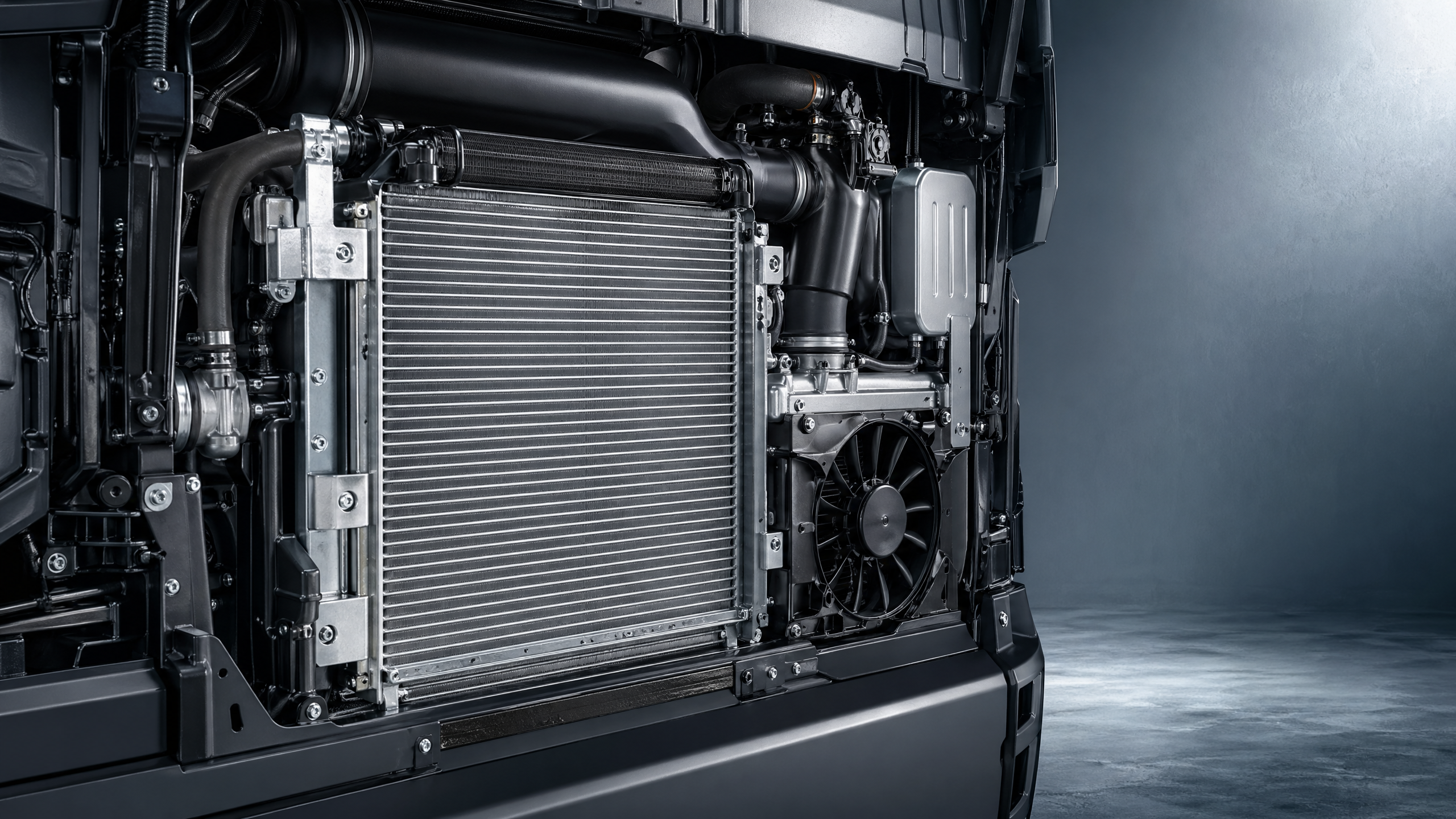
A heavy duty truck radiator is often the first weak point behind overheating, power loss, and costly downtime in demanding operations. For aftermarket maintenance teams, identifying early warning signs can prevent breakdowns, reduce repair costs, and keep fleets running efficiently. This article explores the most common radiator problems in heavy trucks and explains how to address them before they lead to premature service interruptions.
Why radiator-related downtime is becoming a bigger maintenance issue
In recent years, maintenance teams have faced a clear shift: heavy trucks are operating under higher thermal loads for longer hours, while downtime tolerance is getting smaller. Longer route cycles, more stop-start urban delivery, overloaded cooling packs, and tighter fuel-efficiency targets all place greater pressure on the heavy duty truck radiator. What used to be a seasonal overheating concern has become a year-round reliability issue in fleets running 8 to 16 hours per day.
This change matters in the aftermarket because radiator failure is rarely isolated. A blocked core can raise coolant temperature by 8°C to 15°C, which may then affect the charge air cooler, fan clutch behavior, hose life, and even head gasket durability. For maintenance personnel, the practical trend is simple: cooling system faults are becoming more interconnected, and early radiator inspection now delivers broader reliability gains than many teams expected five years ago.
Another important signal is that preventive maintenance windows are shrinking. Fleets increasingly prefer short service stops of 2 to 4 hours rather than extended workshop stays. That means the heavy duty truck radiator must be evaluated quickly and accurately, with attention to contamination patterns, pressure loss, fin damage, and flow restriction, not just visible leakage.
Common operating changes driving thermal stress
- Higher engine output and more compact engine bay layouts reduce cooling margin during peak load.
- Mixed-route fleets combine highway hauling with low-speed congestion, causing unstable airflow through the radiator core.
- Dust, road salt, insects, and oil mist accumulate faster, especially in construction, mining, and regional delivery applications.
- Extended coolant service intervals can delay detection of internal corrosion, scaling, or additive depletion.
For companies active in radiators, intercoolers, and related heavy-duty cooling parts, these changes are shaping replacement demand. Liaocheng Xinde Auto Parts Co., Ltd., established in 2018, focuses on the research, production, and global sales of water tank radiators, intercoolers, construction machinery radiators, and new energy radiator modules. That industry direction reflects a broader reality: the market no longer values cooling parts only by fitment, but also by thermal durability, material stability, and service-life consistency under tougher duty cycles.
The failure patterns maintenance teams are seeing more often
A heavy duty truck radiator usually fails in recognizable stages rather than all at once. The early signs may be subtle: a gradual rise in operating temperature, repeated coolant top-ups every 7 to 14 days, or a fan running more often than normal on moderate grades. These are valuable trend signals. When ignored, they often progress into roadside failure, limp mode, or accelerated wear in related cooling components.
External blockage remains one of the most frequent causes of early downtime. In trucks working in quarry, agricultural, waste, or construction environments, radiator fins can become packed with dust, seeds, mud, and oily debris in less than 3 months. Airflow reduction does not always look severe from the front face alone. Debris often lodges between the radiator and condenser or between the radiator and charge air cooler, creating hot spots that standard visual checks miss.
Internal restriction is also becoming more common, especially where coolant quality control is inconsistent. Hard water use, incompatible coolant mixing, and overdue fluid replacement can produce scaling, gel formation, or corrosion residue. Once internal flow is reduced by even 10% to 20%, temperature stability declines rapidly during heavy climbing, full-load hauling, or long idle conditions.
Trend table: how radiator problems are showing up earlier
The table below summarizes the radiator problems that maintenance teams are most likely to encounter, the early indicators, and the service impact if action is delayed.
For the aftermarket team, the key insight is that these faults now overlap more often. A heavy duty truck radiator with partial blockage can trigger fan overuse, which increases vibration and can accelerate mounting fatigue. That means diagnosis should follow a systems view rather than a single-part view.
Why leaks are no longer the only priority signal
Historically, visible leakage drove radiator replacement decisions. Today, maintenance teams increasingly replace a radiator because heat transfer performance has degraded before a crack or rupture ever appears. In practical terms, a truck can remain “dry” yet still lose operational reliability if cooling reserve has dropped below what the route demands during 30 to 45 minutes of heavy pulling.
This is especially relevant where aluminum brazed designs are used, because lightweight structures support efficiency and packaging, but performance depends heavily on clean airflow paths, stable coolant chemistry, and proper installation. The same thermal design logic can be seen in passenger vehicle applications such as Radiator for Lynk, model 2069525700, an aluminum brazing radiator for automotive cooling systems designed to provide thermal stability in demanding driving conditions. While the vehicle class differs, the maintenance lesson is similar: material quality and thermal design matter, but service conditions still determine real-world life.
What is driving these radiator problems in the current market
Several industry shifts are pushing radiator stress upward. First, emission and efficiency targets have encouraged tighter engine packaging and hotter operating environments. Second, more fleets are extending component use cycles to control costs, which can delay replacement of hoses, clamps, mounts, and caps that directly influence the heavy duty truck radiator. Third, aftermarket part selection is under pressure from both budget constraints and availability concerns, making quality variation a practical maintenance issue.
Material selection is especially important. Aluminum radiators are widely used because they support heat transfer, weight reduction, and manufacturing flexibility. However, aluminum cores also demand correct coolant management and careful handling during installation. If coolant pH drifts outside acceptable ranges over 12 to 24 months, corrosion risk rises. If the mounting system allows excessive vibration, tube-to-header stress can build up faster on rough roads.
Maintenance teams should also pay attention to cleaning practices. High-pressure washing at the wrong angle can flatten fins and reduce airflow area. Chemical cleaners that are too aggressive may attack protective surfaces or seals. In many fleets, the radiator problem is not only contamination itself, but contamination plus unsuitable cleaning methods repeated every few weeks.
Driver factors behind earlier cooling system intervention
The next table organizes the major drivers behind radiator-related downtime and shows how each one changes maintenance priorities.
The practical takeaway is that a heavy duty truck radiator now sits at the center of several cost-control pressures. Fleets want lower part cost, longer life, and fewer service interruptions at the same time. Maintenance personnel therefore need better inspection discipline and stronger supplier evaluation, especially for replacement radiators that must perform reliably across different route profiles.
How these changes affect aftermarket maintenance teams
For aftermarket technicians and service managers, the biggest impact is the need to move from reactive replacement to trend-based intervention. If a heavy duty truck radiator only gets attention after overheating occurs, the repair scope is often wider and more expensive. A controlled intervention during scheduled service may involve cleaning, pressure testing, cap replacement, and mount inspection. A delayed intervention may involve towing, engine derating analysis, coolant contamination checks, and customer dissatisfaction.
Stock planning is also changing. Workshops increasingly need coverage for multiple radiator configurations, including heavy truck, construction machinery, and specialized thermal modules. Because delivery expectations can be as short as 3 to 7 days in active fleet service networks, maintenance buyers are placing more value on suppliers that can support model confirmation, dimensional matching, and stable batch quality rather than offering only a low initial price.
This is where manufacturer capability matters. Companies with dedicated focus on radiator and intercooler development are better positioned to support aftermarket needs across fitment, material consistency, and thermal performance. For example, in related automotive applications, Radiator for Lynk uses aluminum construction, a brazing radiator design, an 83X14X58 cm single-item specification, and a 12-month warranty. Details like these illustrate the type of product information maintenance teams increasingly expect before confirming replacement suitability.
A practical checklist for earlier detection
- Check coolant level behavior over time, not just at one service point. Refill frequency matters.
- Inspect the full cooling pack stack for hidden blockage, especially between adjacent heat exchangers.
- Pressure-test the system and cap when unexplained coolant loss appears within a 1 to 2 week period.
- Review fin condition, mount stability, and signs of vibration if the vehicle runs poor roads or heavy idle hours.
- Assess coolant quality during major service intervals rather than relying only on visual color judgment.
- Compare operating temperature behavior under similar load conditions to identify gradual efficiency loss.
When this checklist becomes standard workshop practice, radiator-related downtime usually becomes more predictable. That improves not only vehicle availability but also parts planning and labor scheduling.
Signals that justify replacement instead of repeated cleaning or patch repair
Repeated overheating after cleaning, visible tube or seam leakage, widespread fin collapse, confirmed internal restriction, and recurring pressure loss are all signs that replacement may be more economical than temporary repair. In many fleet cases, the decision point comes when the same heavy duty truck radiator causes two service events within 30 to 60 days. At that stage, labor repetition and operating disruption often exceed the cost of installing a dependable new unit.
What to watch next: selection, inspection, and long-term reliability direction
Looking ahead, the direction is clear: radiator selection is becoming more performance-driven and less purely transactional. Buyers and maintenance teams will continue to ask more detailed questions about brazing quality, aluminum grade, pressure resistance, fitment precision, and expected operating conditions. For heavy-duty applications, the right heavy duty truck radiator is increasingly judged by total service value over 12 to 24 months, not only by purchase price on day one.
Inspection practices are likely to become more structured as fleets pursue higher uptime. This includes scheduled cooling pack cleaning by environment severity, trend logging of operating temperature, and better matching of radiator replacement schedules to route conditions. Trucks operating in regional logistics may tolerate different service intervals than units in mining support, municipal duty, or construction haulage, so one inspection schedule rarely fits all.
The broader market is also moving toward closer cooperation between manufacturers and aftermarket customers. Maintenance teams increasingly want support with parameter confirmation, application matching, and delivery planning before purchase. That shift benefits suppliers that can discuss dimensions, material choices, production consistency, and thermal requirements in practical terms instead of only offering a generic catalog listing.
How to make a better judgment before ordering replacement radiators
- Confirm exact application, core dimensions, inlet and outlet layout, and mounting points before ordering.
- Ask about material type, manufacturing process, and whether the radiator is intended for high-dust or high-load service.
- Review warranty coverage, normal lead time, and batch consistency if the fleet operates more than 20 units of similar models.
- Consider whether related components such as intercoolers, hoses, clamps, and fan system parts should be inspected or replaced together.
A heavy duty truck radiator should be treated as a strategic reliability component, not just a replacement part. As duty cycles intensify and downtime costs rise, early diagnosis and informed sourcing will increasingly separate efficient maintenance teams from reactive ones.
Why choose us for radiator support and next-step consultation
If your team is evaluating heavy duty truck radiator issues, replacement timing, or sourcing options, practical technical support matters. Liaocheng Xinde Auto Parts Co., Ltd. specializes in water tank radiators, intercoolers, construction machinery radiators, and related cooling components for heavy trucks and new energy radiator modules. With ongoing product development and global sales experience, the company is positioned to support aftermarket customers looking for dependable cooling solutions.
You can contact us to discuss parameter confirmation, model matching, product selection, delivery cycle planning, custom solution requirements, sample support, and quotation communication. If your workshop is dealing with recurring overheating, unclear fitment questions, or reliability concerns across multiple vehicle types, sharing the operating environment, dimensions, and failure symptoms can help narrow the right solution faster.
For businesses that want to judge how current cooling system trends may affect their maintenance costs and fleet uptime, now is a good time to review inspection intervals, replacement criteria, and supplier standards. Contact us with your application details, and we can support a more informed decision on radiator configuration, service expectations, and procurement planning.