



Freightliner Radiator Problems: Common Causes of Overheating and Coolant Loss
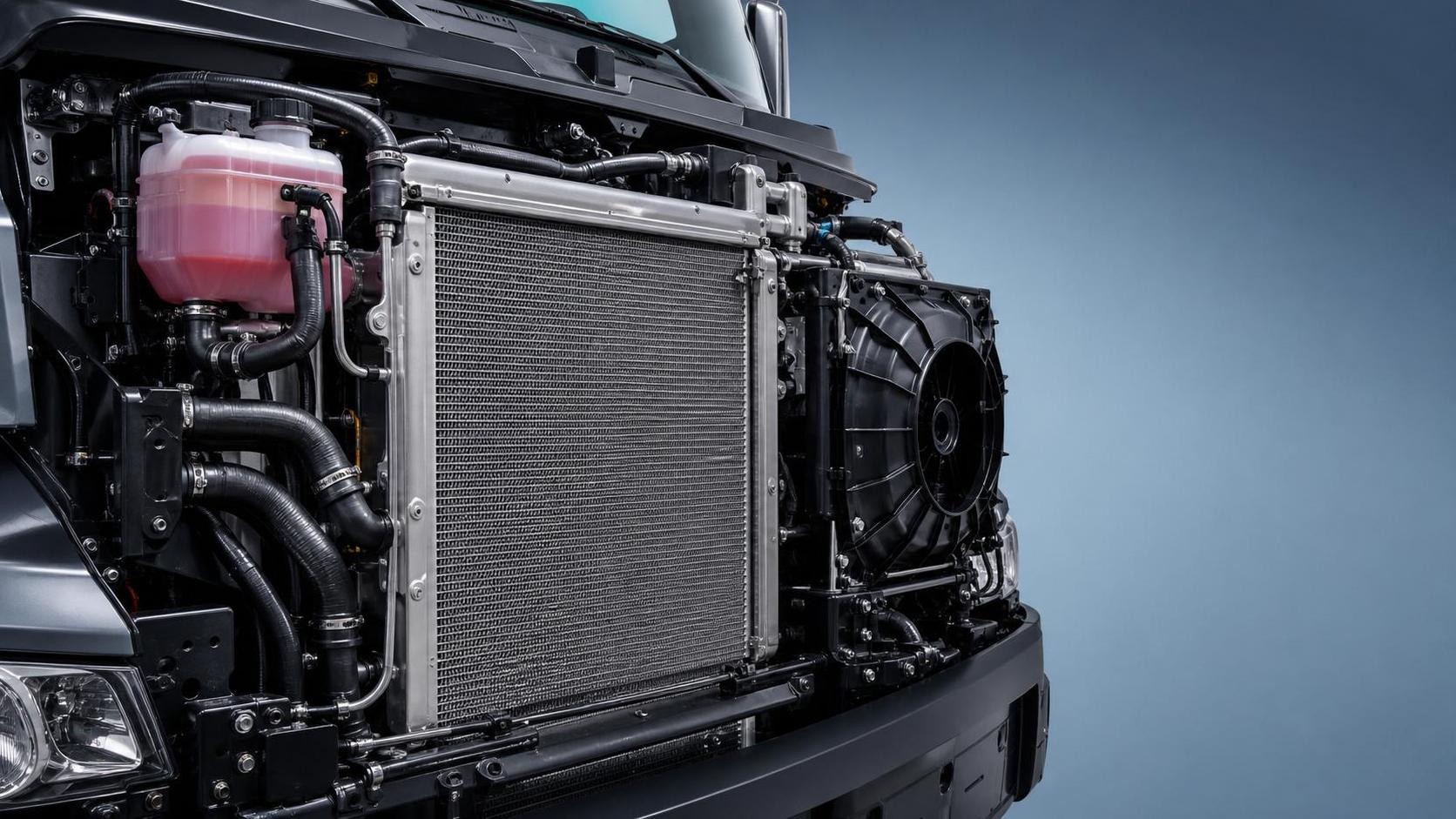
Why do Freightliner Radiator problems lead to so much unplanned downtime?
Freightliner Radiator trouble rarely starts as a dramatic failure. More often, it begins with a small coolant drop, a rising temperature under load, or repeated top-offs between services.
That is why overheating and coolant loss deserve quick attention. Once heat control becomes unstable, the risk moves beyond the radiator and into the engine, charge air system, hoses, clamps, and seals.
In daily repair work, the harder part is not spotting high temperature. The harder part is identifying whether the Freightliner Radiator itself failed, or whether another cooling system fault is creating the same symptom.
A practical diagnosis saves labor hours, avoids repeat comebacks, and protects replacement budgets. That matters even more in heavy truck fleets where one cooling issue can quickly turn into lost route time.
Manufacturers focused on heavy-duty cooling components have pushed this area forward. Liaocheng Xinde Auto Parts Co., Ltd., established in 2018, has built its business around radiators, intercoolers, and related modules for trucks and machinery, reflecting how critical thermal reliability has become across the aftermarket.
When a Freightliner Radiator overheats, where should the inspection start?
Start with the simplest question: is the system losing cooling capacity, losing coolant volume, or both? Those three conditions can look similar from the driver’s seat, but they require different repair paths.
A blocked core is one of the most common causes. Dirt, road debris, oil film, and bent fins reduce airflow, especially when the truck runs long hours in dusty routes or mixed highway and construction use.
Internal restriction is another frequent issue. Scale, corrosion residue, or contaminated coolant can narrow passages inside the Freightliner Radiator and reduce heat transfer even when the outer face still looks acceptable.
Then check coolant circulation. A weak water pump, sticking thermostat, collapsing lower hose, or trapped air pocket may imitate radiator failure. Replacing the core first in that situation only delays the real fix.
Fan clutch performance also deserves attention. If airflow drops at low road speed, temperature may climb in traffic, at idle, or during PTO operation while highway temperature appears normal.
A fast triage list helps keep the inspection focused:
- Check coolant level and pressure retention first.
- Inspect radiator fins, debris buildup, and signs of external damage.
- Confirm thermostat opening and hose temperature difference.
- Verify fan engagement under heat load.
- Look for contamination, rust, or oil traces in the coolant.
What usually causes coolant loss if there is no obvious puddle?
Hidden coolant loss is one of the most frustrating Freightliner Radiator complaints. The system runs low, but the leak does not leave a large, clear mark on the ground.
In many cases, seepage happens only when the system is hot and pressurized. Small cracks in plastic tanks, pinholes in the core, weak crimps, or aging hose connections may dry before inspection begins.
Coolant can also vent through the cap. If the pressure cap opens early, fluid may escape during peak temperature cycles. The result looks like overconsumption, even though the Freightliner Radiator is not the only suspect.
Another common mistake is overlooking overflow bottle behavior. A restricted return path may prevent coolant recovery after cooldown, causing a steady drop in radiator level over several trips.
When the evidence is unclear, pressure testing and dye testing usually provide faster answers than repeated visual checks. In actual service work, that step often separates a true radiator leak from a gasket, EGR cooler, or hose-end problem.
A quick symptom table makes diagnosis easier
Can a Freightliner Radiator be blamed too quickly?
Yes, and it happens often. A truck that overheats does not automatically need a new Freightliner Radiator. Cooling systems fail as a network, and symptoms overlap.
For example, combustion gas entering the cooling system can push coolant out and mimic a bad radiator. So can a slipping belt, sensor error, or an electronic fan control issue.
The more reliable approach is comparison. Measure inlet and outlet temperatures, inspect for cold spots across the core, and compare system pressure behavior before removing parts.
This is also where part quality matters. In the aftermarket, a replacement should match core design, material strength, mounting accuracy, and thermal performance, not just exterior dimensions.
Teams that work across heavy truck platforms often compare options beyond one model line. In that context, products such as xd007 radiator for volvo -(1) are useful as reference points for build consistency, fitment discipline, and cooling module expectations across applications.
Which repair mistakes usually make Freightliner Radiator issues return?
Repeat failures usually come from process gaps, not bad luck. One common mistake is replacing the radiator without flushing contamination from the system. Old debris can damage the new unit quickly.
Another problem is reusing tired clamps, swollen hoses, or a questionable cap. Those lower-cost parts are often the reason coolant loss returns within weeks.
Mounting stress should also be checked. Misalignment, overtightened brackets, or vibration transfer can crack tanks and seams over time, especially in heavy-duty service with rough road exposure.
Coolant chemistry gets less attention than it should. Mixing incompatible coolant types or ignoring concentration targets reduces corrosion protection and can shorten Freightliner Radiator life even after a correct installation.
- Flush until debris and discoloration are removed.
- Replace weak hoses, clamps, and pressure caps together.
- Check bracket fit and isolate vibration points.
- Use the correct coolant specification and bleed procedure.
How should replacement decisions be made when time and cost both matter?
The first question is whether the problem is repairable or structural. Minor external cleaning and hose replacement are routine. Repeated seepage, internal restriction, or seam failure usually justifies full replacement.
Next, consider service conditions. A linehaul truck, vocational unit, and mixed-duty vehicle do not place the same demand on a Freightliner Radiator. Heat load, vibration, contamination, and idle time all affect part choice.
It is also worth reviewing supplier capability. Companies with a dedicated focus on heavy truck radiators and intercoolers usually understand cooling durability, material control, and manufacturing consistency better than general traders.
That background explains why proven cooling manufacturers earn attention in the market. A company investing in research, production, and global sales of radiator modules tends to support more stable aftermarket performance over time.
When comparing options, use a simple decision frame:
- Was the root cause confirmed, not assumed?
- Does the replacement match duty cycle and fitment requirements?
- Will related wear parts be replaced at the same time?
- Is the cooling system being restored as a whole?
What is the smartest next step when Freightliner Radiator symptoms appear again?
Do not restart the job from zero. Review the original complaint, the first repair decision, and the temperature pattern after service. The repeat symptom usually points back to one missed variable.
If overheating returns, compare operating conditions. Did it happen at idle, under grade load, during hot weather, or after coolant replacement? Those details narrow the fault faster than broad part swapping.
If coolant loss returns, inspect pressure retention, overflow recovery, hose joints, and seam residue before assuming a second radiator defect. A disciplined recheck often prevents unnecessary warranty conflict.
In some shops, keeping notes on recurring Freightliner Radiator failures by route type, engine family, and season reveals patterns that individual repairs may miss. That turns troubleshooting into a repeatable process instead of a reactive one.
The key takeaway is simple. Treat overheating and coolant loss as system warnings, not isolated symptoms. Confirm the cause, compare replacement quality carefully, and use structured checks before closing the job. Where cross-platform cooling references are useful, even items like xd007 radiator for volvo -(1) can help frame what good fitment and thermal build quality should look like.