



Excavator Radiator Cleaning Tips for Dusty Job Sites
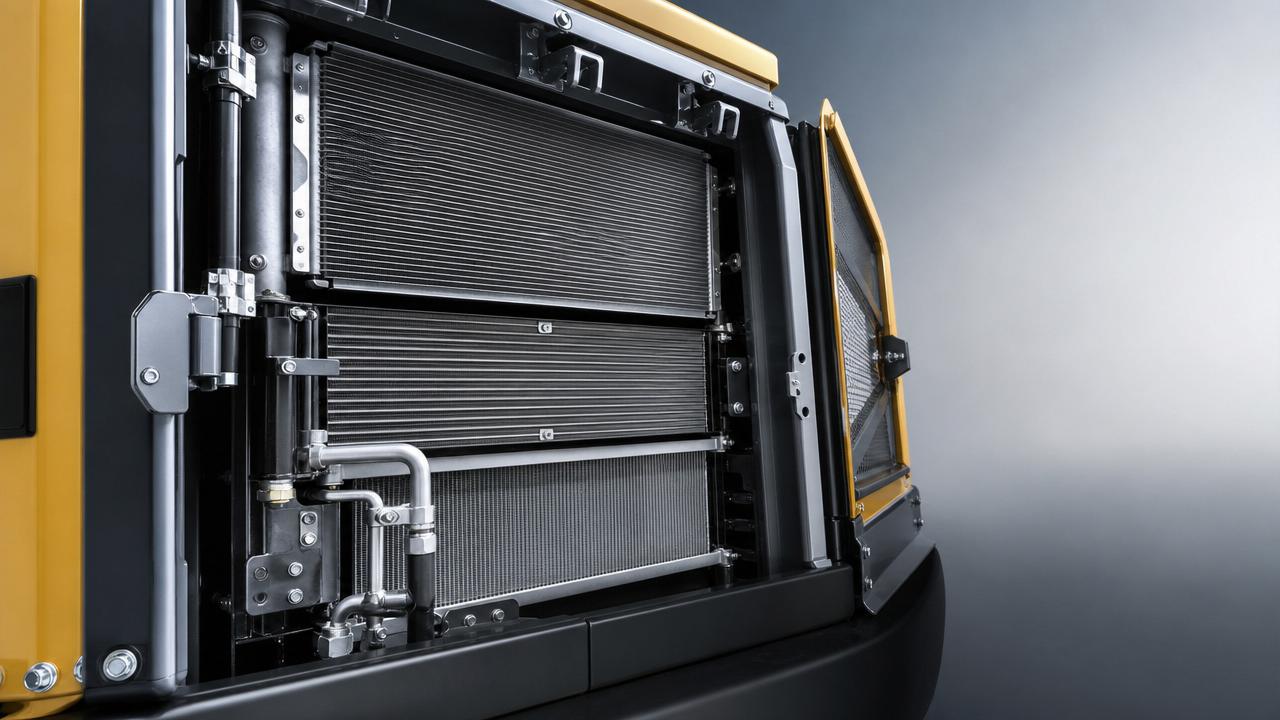
On dusty job sites, an Excavator radiator can clog faster than many operators expect, leading to overheating, reduced efficiency, and costly downtime. Knowing how to clean it correctly is essential for keeping your machine reliable in harsh conditions. In this guide, we share practical cleaning tips that help operators protect radiator performance, extend service life, and maintain steady productivity.
Why Excavator Radiators Get Dirty So Quickly on Dusty Sites
The core search intent behind this topic is practical and urgent: operators want to prevent overheating and avoid downtime by learning how to clean an Excavator radiator safely and effectively.
They are not looking for theory alone. They want steps, warning signs, cleaning frequency, common mistakes, and simple maintenance habits that work in real field conditions.
On dusty job sites, fine particles, mud, chaff, and oily residue collect on the radiator fins and cooling pack. Once airflow is restricted, heat cannot leave the system efficiently.
That means coolant temperature rises faster, the fan works harder, fuel efficiency can drop, and the machine may reduce power or shut down to protect itself.
For operators, the biggest concern is usually not the radiator itself. It is the production loss caused by overheating during peak work hours, especially in hot weather.
Understanding this helps set priorities. The most valuable advice focuses on inspection, safe cleaning methods, correct tools, and routines that fit daily machine operation.
What Operators Should Check Before Cleaning an Excavator Radiator
Before cleaning begins, make sure the excavator is parked on level ground, the engine is off, and the cooling system has had enough time to cool.
Never open caps or work close to a hot cooling system. Pressurized coolant and hot metal surfaces can cause serious burns in just seconds.
Start with a visual inspection. Look for packed dust between the radiator and other coolers, bent fins, coolant leaks, damaged shrouds, and debris trapped around the fan area.
Many machines have a cooling pack made up of the radiator, hydraulic oil cooler, intercooler, condenser, or transmission cooler. Dirt often builds between these layers.
If you only clean the front surface, the airflow restriction may remain hidden inside. That is why inspection matters as much as the cleaning itself.
Also check the job site conditions. Dry quarry dust, sticky clay, crop residue, and oily dirt do not behave the same way, so the cleaning approach may need adjustment.
Finally, review the operator manual for pressure limits, access instructions, and any model-specific warnings. Not all radiator assemblies should be cleaned in the same way.
How to Tell When the Radiator Needs Immediate Cleaning
Some signs are obvious, while others are easy to miss during a busy shift. Catching them early can prevent a small airflow issue from becoming a major repair.
One common sign is rising coolant temperature during normal workloads. If the machine is overheating without an extreme load, restricted airflow is often the first suspect.
Another warning is the cooling fan running more often or louder than usual. When the system struggles to shed heat, the fan has to compensate.
You may also notice reduced cab air conditioning performance on machines where the condenser is part of the same packed cooling group. Dirt affects all connected heat exchangers.
Visually, a dirty Excavator radiator often shows blocked fins, dark dust mats, seeds, grass, or greasy buildup that traps more dust over time.
If the machine has already overheated once, cleaning should be done before the next shift rather than postponed. Repeated overheating can damage seals, hoses, and the engine.
The Safest Way to Clean an Excavator Radiator in the Field
The safest field method begins with dry cleaning. Use low-pressure compressed air to blow debris out from the clean side toward the dirty side whenever possible.
This direction matters because it pushes dust back the way it entered, instead of driving it deeper into the fins or into adjacent coolers.
Hold the air nozzle at a controlled distance and move it evenly across the core. Concentrating pressure in one small spot can bend fins and reduce airflow permanently.
For light to moderate dust, compressed air is often enough. It is fast, effective, and less likely than water to create muddy deposits inside the cooling pack.
If dirt is sticky or mixed with oil, use low-pressure water after the radiator has cooled. A mild approved detergent can help loosen greasy buildup.
Rinse gently and thoroughly. High-pressure washing is one of the most common mistakes because it flattens fins, forces contamination deeper, and may damage seals.
When access panels open, clean between all cooler layers rather than only the outer face. Hidden buildup inside the pack is a frequent cause of repeat overheating.
After cleaning, inspect the fins again, make sure nothing remains trapped, and verify that guards and covers are reinstalled correctly before returning the machine to work.
Common Cleaning Mistakes That Cause More Harm Than Good
Many overheating problems continue not because cleaning was skipped, but because it was done incorrectly. Operators should know the mistakes that create avoidable damage.
The first mistake is using excessive pressure. Whether air or water is used, too much force can fold radiator fins and sharply reduce cooling efficiency.
The second mistake is cleaning only what is visible from the outside. In dusty environments, the worst blockage is often between the radiator and nearby cooler cores.
Another mistake is cleaning a hot system with cold water. Sudden temperature differences can stress metal components and increase the chance of warping or cracking.
Some operators use metal picks, screwdrivers, or hard brushes to remove compacted dirt. These tools can tear fins and create channels that reduce heat exchange area.
Skipping leak checks is another problem. A clean radiator may still overheat if coolant level is low, hoses are weak, or the cap is not sealing properly.
Finally, do not assume the radiator alone is the problem. Fan belts, thermostats, coolant quality, and water pump condition also influence the full cooling system performance.
How Often Should You Clean an Excavator Radiator on Dusty Sites?
There is no single schedule that fits every machine. Cleaning frequency depends on material type, ambient temperature, operating hours, and how tightly packed the cooling system is.
On extremely dusty demolition, quarry, mining, or earthmoving sites, a quick visual inspection should be part of every daily start-up routine.
In severe conditions, light cleaning may be needed every shift or every day. Waiting for a temperature alarm usually means you waited too long.
For moderate dust conditions, operators often succeed with inspections each day and deeper cleaning several times per week, depending on machine load and weather.
Sticky contamination requires closer attention than dry dust because it forms a base layer that captures more debris and becomes harder to remove over time.
A good rule is simple: if you can no longer see clean airflow passages through the fins, the Excavator radiator needs attention before performance drops further.
Keeping a short maintenance log also helps. If one machine needs cleaning much more often than others, there may be a fan, shroud, or seal issue involved.
Simple Daily Habits That Reduce Radiator Clogging
Good cleaning matters, but prevention saves more time. Small daily habits can noticeably reduce how fast a radiator packs with debris on difficult job sites.
Whenever possible, avoid parking the machine where the fan will pull loose dust directly into the cooling pack during idling. Site positioning makes a difference.
During breaks, perform a quick walk-around and check for visible buildup on screens, guards, and cooler surfaces. Early removal is easier than deep cleaning later.
Keep engine compartments free from oil leaks. Oily surfaces collect dust much faster, turning ordinary site dirt into a stubborn insulating layer.
Make sure access doors and seals are intact. Poor sealing can change airflow paths and pull contamination into areas that should stay cleaner.
Train all operators on the same inspection routine. Consistent habits across shifts are often more effective than occasional deep cleaning after a problem appears.
Where machines work in mixed fleets, parts quality also matters. Reliable heat exchanger construction helps maintain airflow and durability under repeated cleaning cycles.
When Cleaning Is Not Enough: Signs of a Larger Cooling Problem
If overheating continues after proper cleaning, the issue may extend beyond surface contamination. Operators should know when to escalate the problem for deeper inspection.
Persistent temperature spikes can point to internal coolant flow restrictions, thermostat failure, fan clutch issues, water pump wear, or a partially blocked radiator core.
Coolant loss without visible external leaks may indicate pressure problems or internal engine-related faults that require immediate technical diagnosis.
Bent fins across a large area can also reduce performance even after dirt is removed. At that stage, cleaning alone cannot restore full heat exchange efficiency.
Older or damaged units may need professional service or replacement, especially when machines operate continuously in hot, abrasive environments with minimal downtime tolerance.
For fleets using heavy-duty equipment and trucks, matching the right radiator quality to the application is important. For example, RADIATOR FOR XD316 is designed for Benz applications and reflects the kind of product-focused fitment attention that supports long-term cooling reliability.
Manufacturers such as Liaocheng Xinde Auto Parts Co., Ltd. focus on radiator, intercooler, and construction machinery cooling component development, which is increasingly important for demanding global operating conditions.
Best Tools and Materials for Radiator Cleaning
Operators do not need many tools, but the right ones matter. A basic cleaning kit can improve results while reducing the risk of damaging the core.
Low-pressure compressed air is usually the first choice for dry dust. Use a nozzle that gives controlled flow rather than a harsh concentrated blast.
A low-pressure water source is useful for sticky debris. Pair it with a mild cleaner approved for radiator and aluminum fin surfaces if grease is present.
Soft brushes can help with outer screens or guards, but avoid aggressive brushing directly on delicate fins unless the manufacturer specifically allows it.
A flashlight is surprisingly useful because it helps spot blocked passages deep between cooler layers where airflow problems are often hidden.
For regular inspections, gloves, eye protection, and a simple checklist are just as important as the cleaning tools. Safe, repeatable maintenance prevents rushed mistakes.
Practical Cleaning Workflow Operators Can Follow
A clear routine makes radiator cleaning faster and more consistent, especially when different operators use the same excavator across multiple shifts.
Step one: park safely, shut down, lock out if required, and allow the system to cool completely before opening access points.
Step two: inspect the full cooling pack, including screens, fan area, outer fins, and spaces between cooler cores. Identify whether the debris is dry, wet, or oily.
Step three: remove loose dry material with low-pressure air from the proper direction. Work methodically from top to bottom and side to side.
Step four: if contamination remains, use low-pressure water and mild cleaner as needed. Do not rush. Let the cleaner loosen buildup before rinsing.
Step five: inspect for fin damage, leaks, loose clamps, and missing seals. Cleaning time is also inspection time, and that saves future troubleshooting.
Step six: reassemble covers, run the machine, monitor temperature, and confirm that airflow and cooling performance have improved under normal operation.
This workflow helps turn radiator care from a reactive task into a dependable operating habit that protects uptime and engine health.
Conclusion
For operators on dusty job sites, the real value of Excavator radiator cleaning is not just keeping parts clean. It is preventing heat-related downtime before it starts.
The most effective approach is simple: inspect often, clean with the correct pressure, reach hidden debris between cooler layers, and avoid damaging the fins.
When overheating signs appear, act early instead of waiting for alarms or shutdowns. Fast attention usually means less downtime, lower repair risk, and steadier machine performance.
In harsh environments, a clean cooling system is part of daily productivity. Treat radiator maintenance as an operating discipline, not an occasional repair response.
With the right routine, operators can extend service life, improve reliability, and keep the machine ready for continuous work even when dust is unavoidable.