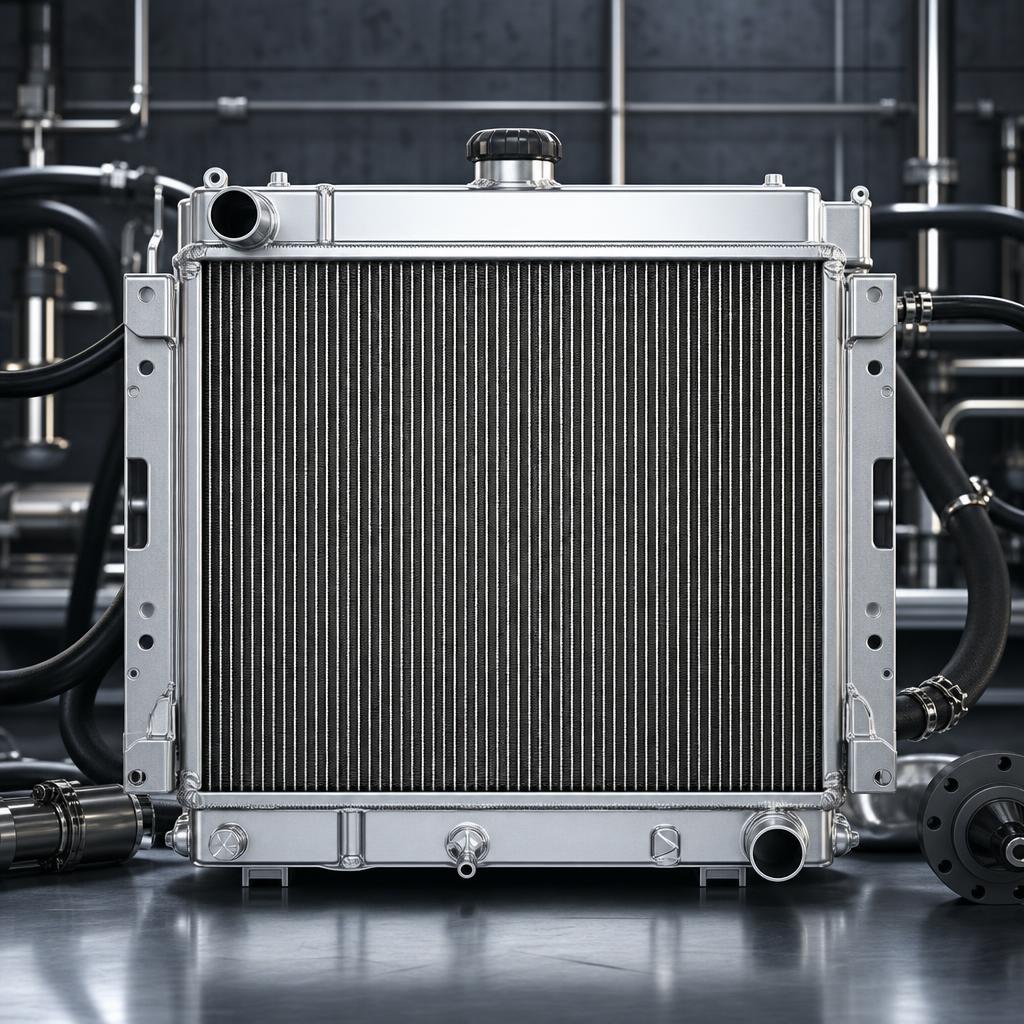
What An Auto Radiator Is And Why It Matters
An auto radiator is a heat exchanger used in internal combustion vehicles and many hybrid cooling systems. Its job is to remove excess heat from engine coolant after the coolant absorbs thermal energy from the engine block and cylinder head. By lowering coolant temperature before it returns to the engine, the radiator helps the powertrain stay within a safe operating range.
In practical terms, the auto radiator affects engine reliability, fuel economy, lubricant stability, emissions consistency, and cabin heating performance. If the radiator cannot dissipate heat efficiently, coolant temperature rises, pressure increases, and related components such as hoses, water pumps, thermostats, and head gaskets face higher stress.
For B2B buyers, the radiator is not only a replacement part but also a system-level reliability component. Its design must match vehicle platform requirements, duty cycle, airflow conditions, and local climate. A mismatch in core size, tube design, or material can shorten service life and increase warranty risk.
Because the auto radiator works at the intersection of heat transfer, pressure containment, and corrosion resistance, it is one of the most technically sensitive parts in the engine cooling circuit. Understanding its structure and common failure causes is essential for distributors, workshops, fleet managers, and importers.
How An Auto Radiator Works
The cooling process begins when coolant circulates through the engine and absorbs combustion heat. The hot coolant then flows into the upper or inlet section of the auto radiator. As it passes through narrow tubes inside the radiator core, heat transfers from the coolant to the tube walls and then to the fins attached to those tubes.
Airflow is the second half of the process. Vehicle motion and cooling fans push air across the fins, carrying heat away from the radiator core. The larger the effective heat exchange area and the better the airflow path, the stronger the radiator’s cooling performance. This is why fin density, tube geometry, and core thickness matter so much in radiator design.
The auto radiator does not work alone. It depends on coordinated performance from the thermostat, water pump, pressure cap, fan, expansion tank, hoses, and coolant chemistry. If one linked component fails, the radiator may appear defective even when the root cause is elsewhere in the cooling system.
Modern vehicle engineering also uses radiator design to balance warm-up speed and heat rejection. Engines must reach operating temperature quickly for efficiency, but they must also shed heat under towing, idling, traffic, or high ambient temperatures. A well-matched auto radiator supports both goals without creating excessive weight or packaging challenges.
Main Types And Materials In The Market
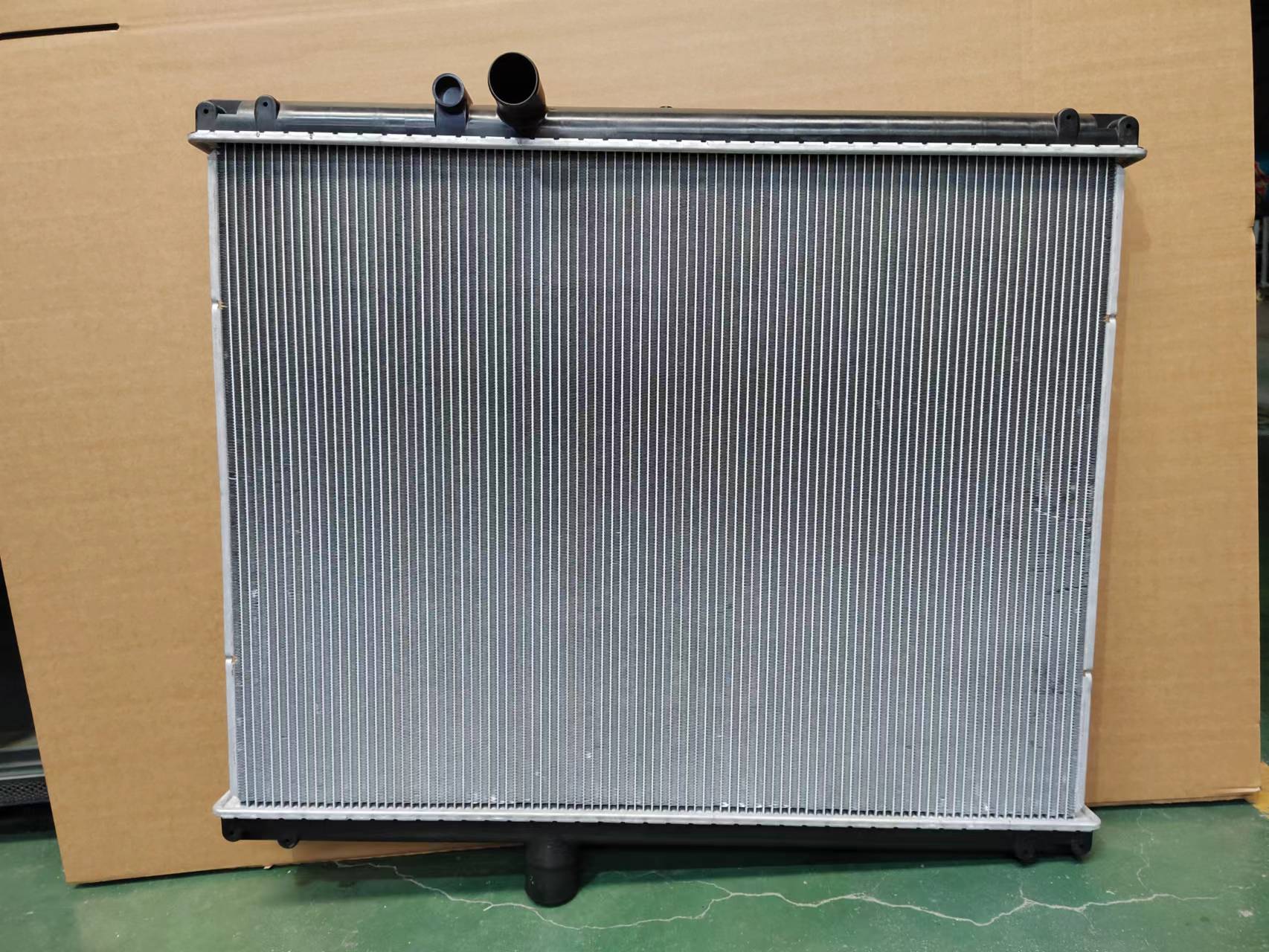
The most common market split is between aluminum radiators with plastic tanks and full metal radiators. Aluminum core plus plastic tank construction is widely used in passenger vehicles because it offers a good balance of heat transfer, weight, cost, and mass production efficiency. It is also common in the aftermarket because of broad vehicle coverage.
Copper-brass radiators are less common in modern light vehicles but remain relevant in certain commercial, industrial, repairable, or legacy applications. Copper has strong thermal conductivity, while brass tanks and joints can be repaired in some service environments. However, these radiators are usually heavier and may be less cost-efficient for some high-volume programs.
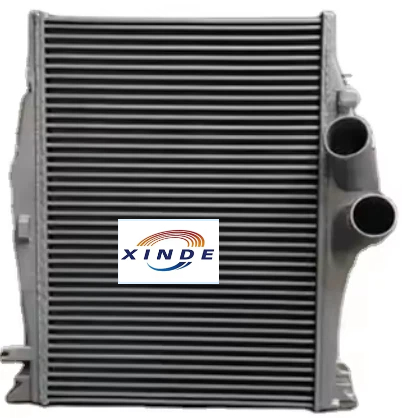
Radiators can also be classified by flow pattern, including downflow and crossflow designs. Crossflow radiators are common in modern vehicles because they can improve packaging flexibility and airflow management. Core architecture may further differ by single-row or multi-row tube layouts, fin type, and whether an integrated transmission oil cooler is included.
For buyers comparing an auto radiator across suppliers, material choice should never be judged by metal type alone. Brazing quality, tank crimp integrity, gasket sealing, fin bonding, corrosion protection, and dimensional consistency often determine field performance more directly than a simple aluminum versus copper comparison.
Who Uses It And Where It Is Applied
The primary users of auto radiator products in B2B channels include importers, wholesalers, regional distributors, repair chains, fleet maintenance teams, and vehicle parts retailers. Each buyer group evaluates the product differently. Wholesalers may focus on coverage and pricing, while repair networks often prioritize fit accuracy, leak resistance, and low installation return rates.
Application scenarios vary across passenger cars, light commercial vehicles, heavy-use vans, pickup trucks, and selected off-road or agricultural platforms with automotive-style cooling systems. Vehicles operating in congested urban routes, hot climates, mountainous regions, or towing conditions place higher thermal loads on the cooling package and therefore demand more reliable radiator performance.
In export markets, buyers also need to consider access standards and regional expectations such as fitment accuracy, packaging protection, labeling clarity, and compatibility with local coolant maintenance practices. Although specific certifications are not provided here, responsible sourcing of an auto radiator should always include verification of applicable market requirements before shipment.
As a parts industry supplier, Liaocheng Xinde Auto Parts Co., Ltd. can be considered by buyers seeking radiator-related sourcing support in the auto parts field. In practical B2B cooperation, useful value often comes from stable dimensional control, clear product communication, and alignment between buyer drawings, samples, and replacement market expectations.
How To Select The Right Auto Radiator
Selection starts with exact fitment. Buyers should confirm OE reference, vehicle model, engine type, transmission configuration, mounting points, hose neck position, sensor interfaces, and whether an integrated oil cooler is required. Even small dimensional deviations can create installation difficulties, fan shroud interference, or hose misalignment.
Cooling performance should be evaluated according to real operating conditions rather than catalog description alone. Important factors include core size, tube count, fin structure, material thickness, and airflow conditions around the radiator. A vehicle used in high-temperature stop-and-go operation may need stronger heat rejection than the same vehicle driven mainly on open roads.
Durability criteria are equally important. Buyers should examine tank-to-core joining method, pressure resistance, vibration tolerance, corrosion behavior, and packaging that protects fins during transport. In aftermarket business, many warranty claims are related not to thermal design limits but to shipping damage, poor sealing, or installation stress caused by inaccurate fit.
When discussing sourcing with a supplier such as Liaocheng Xinde Auto Parts Co., Ltd., practical questions include sample validation, drawing confirmation, batch consistency, packing options, and communication speed when fitment issues arise. These operational details often influence procurement success as much as the quoted unit price.
Manufacturing, Installation, And Quality Control
A typical auto radiator manufacturing process includes raw material preparation, tube and fin forming, core assembly, brazing or joining, tank assembly, sealing, leak testing, pressure testing, cleaning, and packaging. Process stability matters because radiators combine thin-wall heat transfer parts with pressure-bearing joints, which leaves little room for dimensional drift or weak seals.
From a quality control perspective, buyers should pay attention to fin uniformity, brazed joint consistency, header and tank sealing, mounting bracket accuracy, and the condition of inlet and outlet necks. Leak tests and pressure checks are common basic controls. Packaging should also prevent fin deformation, because bent fins reduce airflow efficiency and can create a poor first impression at installation.
Correct installation is essential to prevent false failures. Installers should inspect fan operation, thermostat function, hose condition, radiator cap pressure, and coolant cleanliness before fitting a new unit. Reusing contaminated coolant or ignoring an old faulty cap can quickly damage a replacement auto radiator and lead to repeated overheating complaints.
Bleeding trapped air from the system is another critical step. Air pockets reduce coolant circulation and may cause hot spots, erratic temperature readings, or heater performance issues. In workshop and fleet environments, standardized installation procedures can significantly reduce preventable comebacks after radiator replacement.
Common Failures, Diagnostics, And Maintenance Timing
Common auto radiator failures include external leaks, internal blockage, fin corrosion, tank cracking, gasket seepage, and damage from vibration or impact. Plastic end tanks may age under long-term heat cycling, while internal contamination can restrict coolant flow. Electrochemical corrosion is another risk when coolant quality is poor or grounding issues exist in the vehicle.
Typical warning signs are engine overheating, coolant loss, visible staining near seams, collapsed hoses, weak cabin heat, or a cooling fan running more often than expected. However, diagnosis should be systematic. Similar symptoms can come from a stuck thermostat, water pump wear, head gasket issues, blocked condenser airflow, or trapped air in the cooling system.
Maintenance timing depends on vehicle duty cycle and coolant condition rather than a single universal interval. Regular inspection of coolant level, radiator fin cleanliness, hose aging, and cap condition is advisable. In dusty or insect-heavy operating environments, external fin cleaning becomes especially important because blocked airflow reduces the radiator’s ability to reject heat.
Replacement is generally appropriate when the radiator shows repeated leaks, severe internal restriction, widespread corrosion, or structural weakness that makes repair uneconomical. For fleets, planned replacement before peak seasonal heat can lower downtime risk compared with waiting for a roadside failure during full service demand.
Cost, Total Ownership, And Future Trends
The purchase price of an auto radiator is only one part of total cost of ownership. Buyers should also consider shipping protection, installation labor, coolant replacement, potential repeat work, vehicle downtime, warranty handling, and reputational cost from fitment or leak failures. A lower initial price can become expensive if the product causes returns or field complaints.
For distributors and importers, ROI often improves when the radiator program combines reliable fitment data, stable supply, and low claim rates. This is particularly true in the replacement market, where a single poor batch can increase labor reimbursements and reduce customer confidence. In B2B procurement, consistency usually creates more value than chasing the lowest visible quote.
Looking ahead, auto radiator development is being shaped by lighter vehicle platforms, tighter engine bays, thermal management integration, and more demanding durability expectations. Even as powertrain technology changes, efficient heat exchange remains essential. Hybrid systems, turbocharged engines, and high-output vehicles all place strong emphasis on precise thermal control.
For buyers planning long-term sourcing, the best strategy is to evaluate each auto radiator as a system-critical component, not a simple commodity. Suppliers in the auto parts sector, including Liaocheng Xinde Auto Parts Co., Ltd., can add value when they support clear specifications, consistent production communication, and practical cooperation around aftermarket fitment and replacement needs.